Pachyphytum Care Guide: Growing Moonstones in Malaysia
Pachyphytum, commonly known as moonstones or sugar almond plants, are charming succulents prized for their plump, egg-shaped leaves arranged in attractive rosettes. These low-maintenance plants adapt well to Malaysia’s tropical climate when given proper care. This comprehensive guide will help you successfully grow healthy Pachyphytum in your Malaysian home or garden.
Understanding Pachyphytum Succulents
Classification: Foliage houseplant
Growth Habit: Bushy and upright succulent
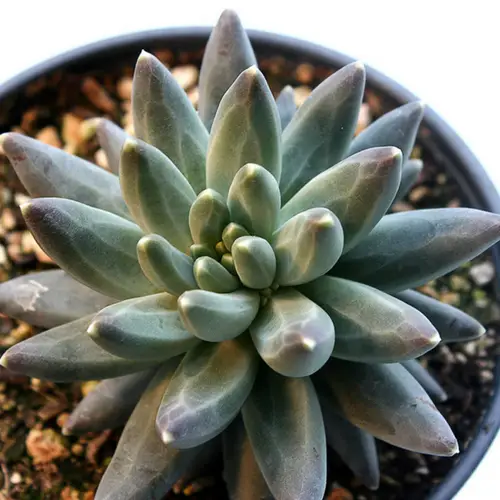
Distinctive Feature: Rosettes of plump, egg-like leaves with powdery coating
Pet Safety: Generally non-toxic to cats and dogs
Popular Pachyphytum Varieties
- Pachyphytum oviferum (Moonstones/Sugar Almond Plant) – Features pale blue-grey, rounded leaves resembling smooth stones
- Pachyphytum amethystinum – Displays beautiful purple-tinted leaves with a frosted appearance
Essential Care Requirements for Malaysian Climate
Temperature Needs
Pachyphytum thrives in Malaysia’s average warmth (24-32°C). These succulents prefer consistent temperatures and should be protected from extreme heat during the hottest months. Indoor cultivation works well as it provides stable temperature conditions.
Light Requirements
Provide bright, indirect light with some direct morning sunlight. In Malaysia’s intense tropical sun, position your Pachyphytum where it receives:
- Gentle morning sun (6am-10am)
- Semi-shade during peak afternoon hours (12pm-4pm)
- Bright filtered light throughout the day
East-facing windows or covered patios with dappled light work excellently. Insufficient light causes etiolation (leggy growth), while too much direct sun leads to sunburn.
Watering Guidelines for Humid Tropics
Watering Pachyphytum in Malaysia requires adjustment for our high humidity (80%+) and frequent rainfall:
- Water thoroughly only when the potting medium is completely dry
- In humid conditions, this typically means every 10-14 days
- Reduce watering frequency during monsoon season
- Always check soil moisture before watering
- Ensure excess water drains completely from the pot
Important: Overwatering is the primary cause of Pachyphytum failure in tropical climates. When in doubt, wait another day before watering.
Soil and Potting Medium
Proper drainage is absolutely critical in Malaysia’s high-rainfall environment. Use specialized cactus and succulent soil that prevents waterlogging. When repotting becomes necessary, choose either:
- Serbajadi Cactus Soil – Specially formulated for succulents with optimal drainage
- Serbajadi Potting Soil (5L) mixed with perlite for improved drainage
Fertilizing Your Pachyphytum
Feed your moonstones during active growing periods to maintain compact, healthy rosettes:
- For steady growth: Serbajadi Cactus & Succulent Growth Booster
- To encourage flowering: Serbajadi Cactus & Succulent Flower Booster
Apply fertilizer sparingly – succulents require less feeding than other houseplants. Follow product instructions and reduce frequency during the rainy season.
Repotting Guidelines
Pachyphytum grows slowly and rarely needs repotting. Repot only when:
- The plant becomes root-bound
- Soil quality has deteriorated
- You notice drainage problems
Choose a pot only slightly larger than the current one, with adequate drainage holes. Spring is the ideal time for repotting.
Troubleshooting Common Problems
Light-Related Issues
Discoloration or fading: Indicates insufficient light. Move to a brighter location with more indirect sunlight.
Leggy, stretched growth: Classic sign of inadequate light. The plant stretches toward light sources, losing its compact rosette form. Gradually increase light exposure.
Brown or calloused patches: Sunburn from excessive direct sunlight. Provide more shade during peak hours and avoid sudden increases in sun exposure.
Watering Problems
Shriveled or puckered leaves: Underwatering. The leaves lose their plump appearance and may wrinkle. Water thoroughly and adjust your watering schedule.
Mushy leaves that fall apart: Overwatering. This is serious and can quickly lead to plant death. Remove affected leaves, allow soil to dry completely, and reduce watering frequency.
Brown, dry, or calloused areas: Can indicate either underwatering or physical damage. Check soil moisture to determine the cause.
Root and Stem Issues
Root rot: Caused by poor drainage and/or overwatering. Signs include:
- Blackening at the base of the plant
- Browning or blackening stems
- Soft, mushy roots
- Foul odor from soil
If caught early, remove affected parts, allow the plant to dry, and repot in fresh, well-draining soil.
Pest Management
While Pachyphytum is relatively pest-resistant, Malaysia’s humid climate can attract certain insects:
Mealybugs
White, cottony insects that cluster in leaf joints. Treatment:
- Wipe off visible bugs with a damp cloth or cotton bud dipped in rubbing alcohol
- Spray thoroughly with Serbajadi Extra Strength Neem Spray
- Repeat treatment weekly until infestation clears
Spider Mites
Tiny pests that create fine webbing. Often attack water-stressed plants. Treatment:
- Wipe leaves gently with a damp cloth
- Apply Serbajadi Extra Strength Neem Spray
- Maintain proper watering schedule to prevent future attacks
Scale Insects
Brown, shell-like bumps on stems and leaves. Treatment:
- Manually remove scales with a damp cloth or cotton bud
- Treat with Serbajadi Extra Strength Neem Spray
- Monitor closely for several weeks
Prevention tip: Regularly inspect your plants and maintain good air circulation to discourage pest infestations.
Tips for Success in Malaysian Homes
- Handle with care: The powdery coating (farina) on Pachyphytum leaves is easily damaged. Avoid touching leaves unnecessarily.
- Adjust for monsoon season: Reduce watering frequency during heavy rainfall periods when humidity is highest.
- Ensure air circulation: Good airflow prevents fungal issues in humid conditions. Avoid overcrowding plants.
- Use terracotta pots: These breathable pots help soil dry faster, reducing overwatering risk in humid climates.
- Rotate regularly: Turn your plant every few weeks to ensure even growth and prevent leaning toward light sources.
Frequently Asked Questions
How often should I water Pachyphytum in Malaysia’s humid climate?
In Malaysia’s high humidity (80%+), water Pachyphytum only when the soil is completely dry, typically every 10-14 days. The humid environment means these succulents need less frequent watering than in drier climates. Always check soil moisture before watering to prevent root rot.
Can Pachyphytum survive Malaysia’s hot afternoon sun?
Pachyphytum needs bright light but can suffer sunburn in Malaysia’s intense afternoon sun (especially during 12pm-4pm). Provide semi-shade or filtered light during peak hours while ensuring they receive gentle morning sunlight. Brown or calloused patches indicate sunburn.
Is Pachyphytum safe for pets?
Pachyphytum is generally considered non-toxic to cats and dogs, making it a safer choice for pet-friendly homes. However, it’s always best to keep plants out of reach as ingestion may still cause mild digestive upset in some pets.
Why is my Pachyphytum growing tall and leggy?
Leggy growth (etiolation) indicates insufficient light. Move your Pachyphytum to a brighter location with more indirect sunlight. This is common when plants are kept too far from windows or in overly shaded areas indoors.
What soil is best for Pachyphytum in tropical climates?
Use specialized cactus and succulent soil with excellent drainage properties. In Malaysia’s high-rainfall environment, proper drainage is critical to prevent waterlogging and root rot. Serbajadi Cactus Soil is formulated specifically for tropical conditions.
Conclusion
Pachyphytum succulents make excellent additions to Malaysian homes when provided with proper care adapted to our tropical climate. The key to success lies in understanding how Malaysia’s high humidity and intense sunlight affect these desert-adapted plants. With bright indirect light, careful watering, well-draining soil, and vigilant pest monitoring, your moonstones will thrive and reward you with their unique beauty for years to come.
Ready to start your Pachyphytum journey? Explore our complete range of cactus and succulent care products specially formulated for Malaysia’s tropical climate.