Orostachys Care Guide: Growing Dunce Cap Succulents in Malaysia
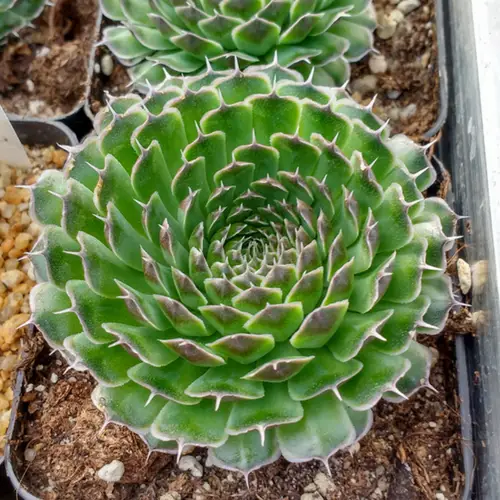
Orostachys, commonly known as “Dunce Cap” succulents, are fascinating rosette-forming plants that bring architectural interest to any indoor garden. With their tightly packed, pointed leaves arranged in perfect geometric patterns, these hardy succulents are well-suited to Malaysia’s tropical climate when given proper care. This comprehensive guide will help you successfully grow and maintain healthy Orostachys plants in Malaysian conditions.
Understanding Orostachys Succulents
Plant Classification: Foliage House Plant
Growth Form: Rosette-forming succulent
Distinctive Features: Tightly packed, pointed leaves forming compact rosettes
Pet Safety: Toxicity information is limited; keep out of reach of pets as a precaution
Popular Varieties
- Orostachys spinosus – Features sharp-tipped leaves with a distinctive cone-shaped rosette
- Orostachys iwarenge – Known for its tight, symmetrical rosettes and cold hardiness
- Orostachys fimbriata – Displays fringed leaf edges and attractive coloration
Essential Care Requirements for Malaysian Climate
Temperature & Environment
Orostachys thrives in Malaysia’s average warmth (24-32°C), though they prefer slightly cooler conditions than many tropical succulents. Provide good air circulation to prevent fungal issues in our humid climate. Indoor cultivation with air conditioning works exceptionally well, as these plants appreciate the drier air and stable temperatures.
Light Requirements
Position your Orostachys in semi-shade with access to some direct sunlight, preferably morning sun. In Malaysia’s intense tropical conditions, east-facing windows are ideal. Too much direct afternoon sun can cause sunburn (brown, calloused patches), while insufficient light leads to etiolation—when the plant stretches upward and loses its compact rosette form.
Watering Guidelines
The key to success with Orostachys in Malaysia’s humid environment is careful watering. Water thoroughly only when the potting medium has completely dried out. During monsoon season, reduce watering frequency significantly as ambient humidity provides moisture. Overwatering is the most common cause of failure with these succulents—when in doubt, wait another day before watering.
Soil & Potting Medium
Excellent drainage is non-negotiable for Orostachys. Use Serbajadi Cactus Soil, which is specifically formulated for succulents and cacti with superior drainage properties. This prevents the root rot that commonly occurs when regular potting soil retains too much moisture in Malaysia’s humid climate.
Fertilizing Schedule
Feed your Orostachys during active growth periods with Serbajadi Cactus Growing Inducer. This specialized formula promotes healthy, compact growth and strengthens the plant’s natural resilience. Apply according to package directions, typically once monthly during the growing season.
Repotting
Repot only when absolutely necessary, as Orostachys prefers being slightly root-bound. When repotting is needed, use fresh Serbajadi Cactus Soil and choose a pot only slightly larger than the previous one. Always ensure containers have adequate drainage holes.
Troubleshooting Common Problems
Light-Related Issues
- Discoloration or fading: Indicates insufficient light. Move to a brighter location with some direct sun exposure.
- Sudden vertical growth (etiolation): The plant is stretching toward light. Relocate to a spot with more consistent, bright light.
- Brown, calloused patches: Sunburn from excessive direct sun. Move to a location with filtered light or morning sun only.
Watering-Related Issues
- Shriveled or puckered leaves: Underwatering. Give the plant a thorough watering and adjust your schedule.
- Dry, brown, calloused appearance: Chronic underwatering. Increase watering frequency slightly.
- Mushy leaves that fall apart: Overwatering. Allow soil to dry completely and reduce watering frequency.
- Root rot: Caused by poor drainage or overwatering. Repot in fresh Serbajadi Cactus Soil, remove affected roots, and adjust watering.
- Browning or blackening at base: Severe overwatering or root rot. May require propagation from healthy offsets.
Pest Management
Common Pests & Solutions
Mealybugs: These white, cottony pests hide between leaves. Remove visible bugs with a cotton bud dipped in rubbing alcohol, then spray thoroughly with Serbajadi Extra Strength Neem Spray. Repeat weekly until eliminated.
Spider Mites: Tiny pests that create fine webbing. These typically attack water-stressed plants, so maintaining proper watering schedules helps prevent infestations. Wipe affected areas with a damp cloth and apply Serbajadi Extra Strength Neem Spray. Ensure adequate watering without overwatering.
Scale Insects: Brown, shell-like pests that attach to leaves and stems. Remove manually with a cotton bud, then treat with Serbajadi Extra Strength Neem Spray for comprehensive control.
Tips for Success in Malaysian Climate
- Monsoon season adjustments: Significantly reduce watering during heavy rain periods as humidity levels spike.
- Air circulation: Use fans or ensure good ventilation to prevent fungal issues in humid conditions.
- Indoor vs. outdoor: Indoor cultivation with air conditioning often yields better results than outdoor growing in Malaysia’s intense tropical conditions.
- Drainage is critical: Never allow pots to sit in water trays—empty excess water immediately after watering.
- Seasonal dormancy: Some Orostachys species may slow growth during certain periods; reduce watering and fertilizing accordingly.
Frequently Asked Questions
How often should I water Orostachys succulents in Malaysia?
In Malaysia’s humid climate, water your Orostachys only when the soil is completely dry, typically every 7-10 days. During monsoon season, reduce watering frequency as humidity levels are higher. Always check soil moisture before watering to prevent root rot.
Why is my Orostachys growing tall and stretching?
Tall, stretched growth (etiolation) indicates insufficient light. Move your Orostachys to a brighter location with some direct morning sunlight. In Malaysia’s tropical climate, east-facing windows work well, providing bright light without intense afternoon heat.
What causes brown, mushy leaves on Orostachys?
Mushy, brown leaves indicate overwatering or poor drainage. In Malaysia’s humid environment, Orostachys needs excellent drainage. Use Serbajadi Cactus Soil, ensure pots have drainage holes, and reduce watering frequency, especially during rainy seasons.
How do I treat mealybugs on my Orostachys?
Remove mealybugs by wiping them off with a cotton bud dipped in rubbing alcohol, then spray the plant with Serbajadi Extra Strength Neem Spray. Repeat treatment weekly until pests are eliminated. Ensure good air circulation to prevent reinfestation.
Can Orostachys survive outdoors in Malaysia?
Orostachys can grow outdoors in Malaysia if placed in a sheltered location with protection from heavy rain and intense afternoon sun. Provide excellent drainage and reduce watering during monsoon season. Semi-shade with morning sun exposure works best in tropical conditions.
Conclusion
Orostachys succulents make striking additions to Malaysian indoor gardens when provided with proper care. The key to success lies in understanding their need for excellent drainage, careful watering in our humid climate, and appropriate light levels. By following these guidelines and using quality products like Serbajadi Cactus Soil and Serbajadi Cactus Growing Inducer, you’ll enjoy healthy, compact rosettes that showcase the unique beauty of these architectural succulents.