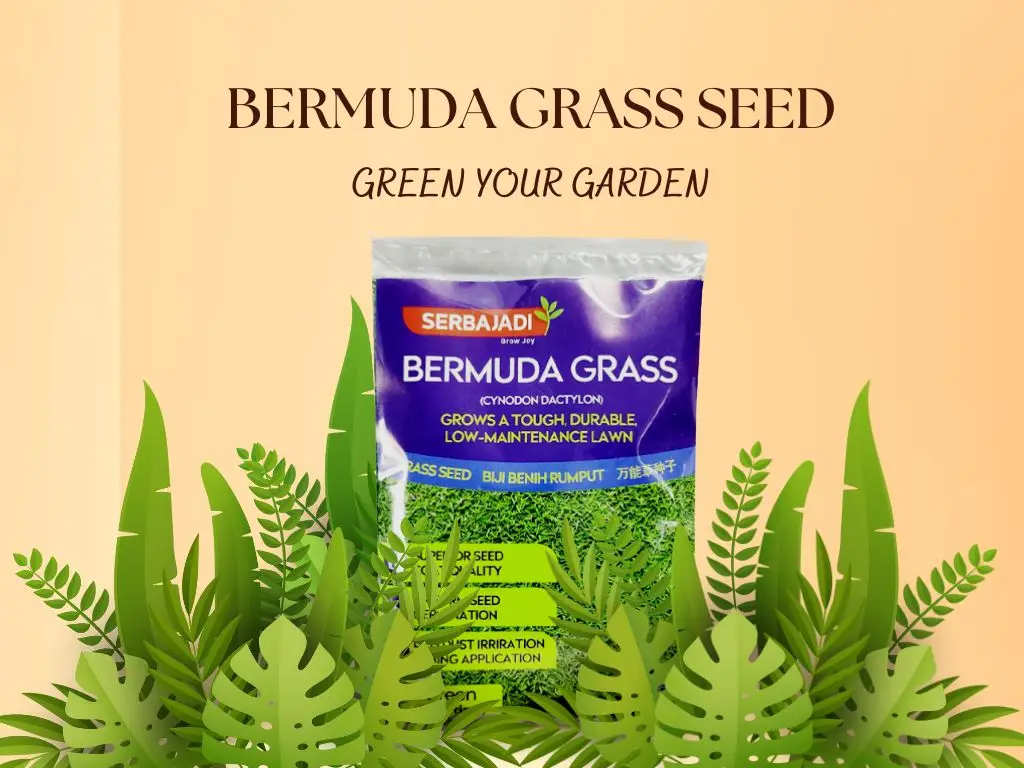
Bermuda Grass Seed Malaysia: Complete Growing Guide
Bermuda grass seed offers Malaysian homeowners an excellent solution for creating lush, resilient lawns that thrive in our tropical climate. Known scientifically as Cynodon dactylon, Bermuda grass produces small, tan to light brown seeds that germinate readily in Malaysia’s warm temperatures and establish into one of the toughest, most durable turfgrasses available.
What is Bermuda Grass Seed?
Bermuda grass seeds are the reproductive units of the Bermuda grass plant (Cynodon dactylon), a warm-season perennial grass that has become a staple in Malaysian landscapes. These seeds are typically tan to light brown in color—not black as sometimes mistakenly described—and measure approximately 1.5-2mm in length.
What makes Bermuda grass seed particularly valuable for Malaysian gardeners is its remarkable ability to germinate and establish in challenging conditions. The grass thrives in our tropical climate with temperatures ranging from 24-32°C and high humidity levels above 80%. Once established, Bermuda grass forms a dense, interlocking network of roots and runners that create a carpet-like lawn surface.
Why Bermuda Grass Excels in Malaysia’s Tropical Climate
Bermuda grass is classified as a warm-season grass, meaning it actively grows during hot weather and slows (but doesn’t completely go dormant) during cooler periods. This characteristic makes it perfectly suited to Malaysia’s year-round warmth.
Key Benefits for Malaysian Lawns
- Heat Tolerance: Thrives in temperatures up to 35°C, ideal for Malaysia’s tropical heat
- Drought Resistance: Deep root system (though shallow compared to some grasses) helps survive dry spells between monsoon rains
- Traffic Tolerance: Recovers quickly from heavy foot traffic, perfect for family gardens and play areas
- Salt Tolerance: Suitable for coastal areas where salt spray affects other grass varieties
- Rapid Recovery: Aggressive growth habit means bare patches fill in quickly
Understanding Bermuda Grass Growth Characteristics
As a perennial grass, Bermuda grass lives for many years, continuously spreading and regenerating. The plant produces tough, fine-textured blades that can feel sharp underfoot when walked on barefoot—a consideration for families with young children who play on the lawn.
The root system of Bermuda grass consists of both shallow roots (typically 15-20cm deep) and an extensive network of stolons (above-ground runners) and rhizomes (underground stems). This dual spreading mechanism makes Bermuda grass both resilient and, at times, aggressively invasive into garden beds if not properly managed.
How to Grow Bermuda Grass from Seed in Malaysia
Optimal Germination Conditions
Bermuda grass seeds germinate best when soil temperatures reach 25-30°C—conditions that exist year-round in most parts of Malaysia. The seeds require consistent moisture and warm soil to sprout successfully.
Germination Timeline: In Malaysia’s tropical conditions, you can expect to see the first green shoots within 7-14 days of sowing. Full establishment of a thick lawn typically takes 6-8 weeks with proper care.
Step-by-Step Planting Guide
- Soil Preparation: Clear the area of existing weeds and debris. Loosen soil to a depth of 10-15cm and incorporate Multi-Purpose Compost to improve soil structure and moisture retention.
- Seed Sowing: Spread Bermuda Grass Seeds evenly across the prepared area at a rate of 1-2kg per 100 square meters. Lightly rake seeds into the soil surface, covering them with no more than 3-6mm of soil.
- Initial Watering: Water immediately after sowing using a fine spray to avoid washing seeds away. Keep the soil surface consistently moist but not waterlogged.
- Germination Care: During the germination period (7-14 days), water lightly 2-3 times daily to maintain moisture. Malaysia’s afternoon heat can dry out soil quickly, so monitor closely.
- Seedling Establishment: Once seedlings emerge, gradually reduce watering frequency but increase the amount per session to encourage deeper root growth. After 3-4 weeks, transition to watering once daily in the early morning.
Post-Germination Care
Once your Bermuda grass seedlings have established a strong root system (typically 4-6 weeks after germination), they become remarkably drought-tolerant. However, for optimal appearance and density, maintain regular watering during dry periods between monsoon rains.
Fertilizing Bermuda Grass in Tropical Conditions
Malaysia’s frequent rainfall, especially during monsoon seasons, can leach nutrients from the soil. To maintain a thick, vibrant green lawn, regular fertilization is essential.
Apply LawnMaster fertilizer once your grass reaches 5-7cm in height. This specialized lawn fertilizer is formulated for tropical conditions and provides balanced nutrition for vigorous growth.
Fertilization Schedule:
- First application: 4-6 weeks after germination
- Maintenance: Every 6-8 weeks during active growing season
- Pre-monsoon: Apply controlled-release fertilizer before heavy rains to prevent nutrient washout
Managing Bermuda Grass Spread
Bermuda grass’s aggressive growth habit is both a blessing and a challenge. While it quickly fills in bare spots and recovers from damage, it can also invade garden beds, pathways, and other areas where it’s not wanted.
Containment Strategies
- Regular Mowing: Maintain grass height at 2-4cm with weekly mowing during active growth periods
- Edge Maintenance: Install physical barriers or edging around garden beds
- Remove Clippings: If grass is spreading into unwanted areas, collect and remove clippings rather than leaving them on the lawn
- Spot Treatment: Use Natural Weed & Grass Killer on runners that escape into garden beds
Common Challenges and Solutions
Nutrient Deficiency During Monsoon
Heavy monsoon rains can wash away nutrients, causing yellowing or pale grass. Solution: Use Controlled Release Fertiliser before the rainy season to provide steady nutrition that resists leaching.
Pest Infestations
Bermuda grass can attract pests like armyworms or grubs. For organic pest control, apply GarNeem Spray at the first sign of damage.
Bare Patches
High traffic areas or pest damage can create bare spots. Overseed these areas with fresh Bermuda Grass Seeds and apply Organic Seed Booster to improve germination rates.
Bermuda Grass for Different Applications
The versatility of Bermuda grass makes it suitable for various landscape uses in Malaysia:
- Residential Lawns: Creates a durable, attractive lawn that withstands family activities
- Sports Fields: Rapid recovery and wear tolerance make it ideal for football fields and cricket pitches
- Golf Courses: Commonly used for fairways and tees due to its fine texture and resilience
- Erosion Control: Dense root system helps stabilize slopes and prevent soil erosion during heavy rains
- Parks and Public Spaces: Low maintenance requirements and durability suit high-traffic public areas
Frequently Asked Questions
What is Bermuda grass seed and why is it popular in Malaysia?
Bermuda grass seed comes from Cynodon dactylon, a warm-season turfgrass perfectly suited to Malaysia’s tropical climate. These seeds are tan to light brown in color and germinate readily in temperatures between 25-30°C. Bermuda grass is popular in Malaysia because it thrives in hot, humid conditions, tolerates heavy foot traffic, and recovers quickly from wear, making it ideal for residential lawns, sports fields, and golf courses.
How long does Bermuda grass seed take to germinate in Malaysia?
In Malaysia’s warm tropical climate (24-32°C), Bermuda grass seeds typically germinate within 7-14 days when soil is kept consistently moist. The optimal germination temperature is 25-30°C, which matches Malaysia’s year-round conditions perfectly. You’ll see the first green shoots appearing within a week, with full establishment taking 6-8 weeks.
Can Bermuda grass survive Malaysia’s monsoon season?
Yes, established Bermuda grass handles Malaysia’s monsoon rains well due to its strong, dense root system. However, ensure proper drainage to prevent waterlogging. During heavy monsoon periods, nutrients can wash out from the soil, so apply controlled-release fertilizers like LawnMaster before the rainy season to maintain lawn health and color throughout the monsoon months.
What fertilizer should I use for Bermuda grass in Malaysia?
For Bermuda grass lawns in Malaysia, use LawnMaster fertilizer, which is specifically formulated for tropical lawn conditions. Apply every 6-8 weeks during the growing season. LawnMaster provides balanced nutrition that promotes thick, green growth while being optimized for Malaysia’s high humidity and frequent rainfall. Start fertilizing once your grass reaches 5-7cm height after germination.
How do I control Bermuda grass from spreading too aggressively?
Bermuda grass spreads through both above-ground stolons and underground rhizomes, making it quite aggressive. Control its spread by: 1) Installing physical barriers (edging) around garden beds, 2) Regular mowing at 2-4cm height to prevent seed formation, 3) Removing clippings if grass is invading other areas, and 4) Creating defined borders with hardscaping. For areas where you don’t want Bermuda grass, use Natural Weed & Grass Killer on escaped runners.
Conclusion
Bermuda grass seed offers Malaysian gardeners an excellent choice for establishing durable, attractive lawns that thrive in our tropical climate. Its ability to withstand heat, humidity, heavy traffic, and recover quickly from stress makes it ideal for both residential and commercial landscapes. While its aggressive growth requires regular maintenance and containment, the result is a lush, resilient lawn that performs well year-round in Malaysia’s challenging conditions.
Ready to start your Bermuda grass lawn? Get high-quality Bermuda Grass Seeds and LawnMaster fertilizer from Serbajadi for the best results in tropical growing conditions.