Adenium Care Guide Malaysia: Desert Rose Growing Tips
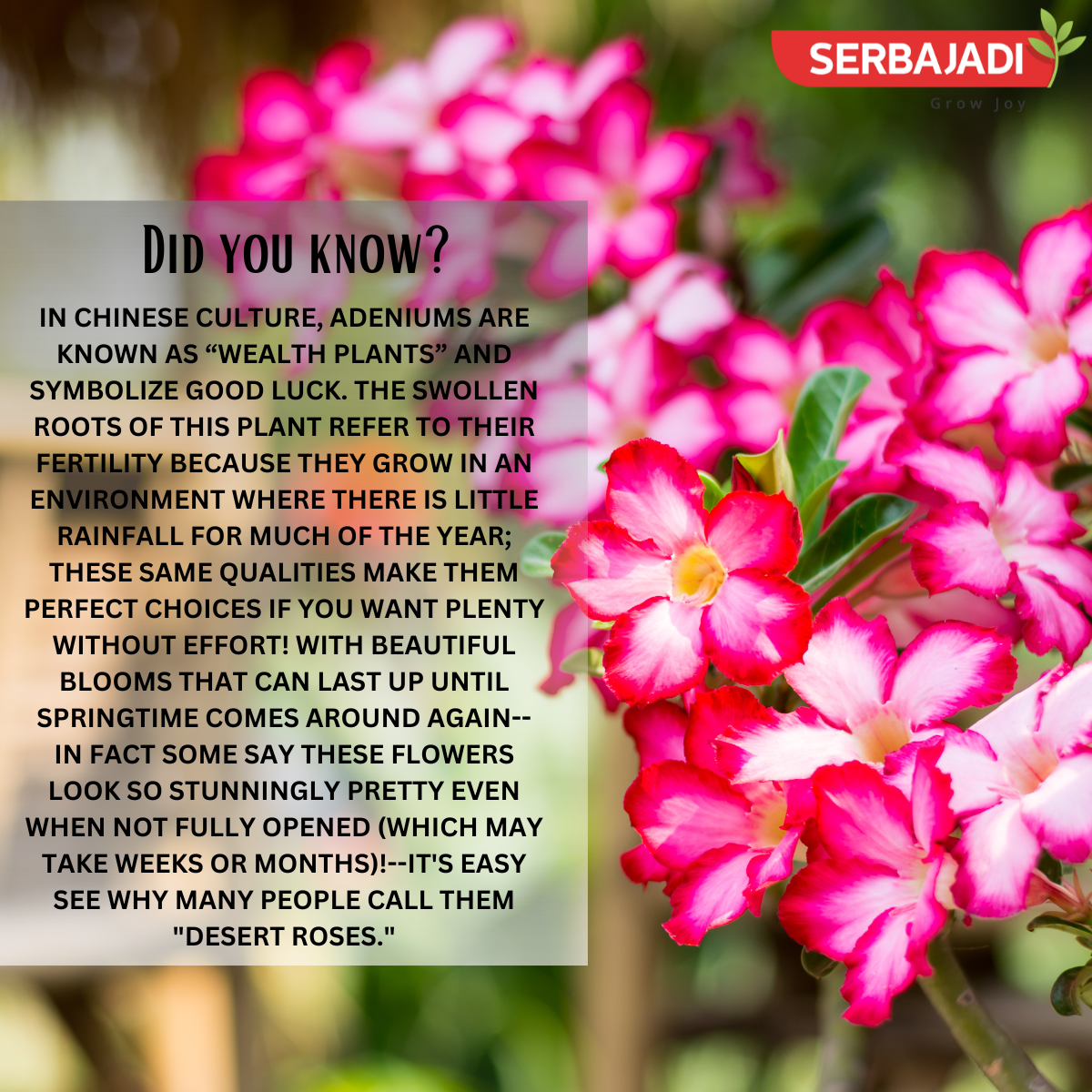
The Adenium, commonly known as the Desert Rose, is one of Malaysia’s most beloved ornamental succulents. With its striking sculptural caudex (swollen trunk base), vibrant trumpet-shaped flowers, and remarkable adaptability to tropical conditions, this African native has become a staple in Malaysian gardens and balconies.
Native to the arid regions of Africa and the Arabian Peninsula, Adenium obesum has been cultivated for centuries both as an ornamental plant and in traditional medicine. In Malaysia’s warm climate (24-32°C), these stunning succulents can grow 1-3 meters tall when mature, producing spectacular blooms in shades of pink, red, white, and even multicolored varieties.
While Adeniums are relatively low-maintenance, understanding their specific needs in our tropical environment is crucial for success. This comprehensive guide covers everything Malaysian gardeners need to know about growing healthy, flowering Desert Rose plants.
Understanding Adenium in Malaysian Climate
Adeniums are naturally adapted to hot, dry conditions, which makes Malaysia’s year-round warmth ideal. However, our high humidity (often exceeding 80%) and monsoon rains present unique challenges that require adjusted care techniques.
The key to success is replicating their native environment: plenty of sunlight, excellent drainage, and controlled watering. During Malaysia’s dry months (February-March, June-August), Adeniums thrive with minimal intervention. During monsoon season (November-January), extra precautions prevent root rot and fungal issues.
Sunlight Requirements
Adeniums are sun-worshippers and require at least 6 hours of direct sunlight daily for optimal growth and flowering. In Malaysian conditions, morning sun (6am-12pm) is ideal, as it provides intense light without the extreme afternoon heat that can stress plants above 35°C.
For balcony gardeners, south or east-facing locations work best. If your Adenium develops elongated stems with sparse leaves, it’s receiving insufficient light. Conversely, if leaves develop brown scorched patches, provide some afternoon shade during peak heat hours.
Soil and Potting Requirements
The single most important factor for Adenium success in Malaysia is soil drainage. Our high humidity means soil stays moist longer, increasing root rot risk. Never use standard potting soil alone.
Ideal Soil Mix for Malaysian Climate
Create a well-draining mix using:
This combination ensures water drains quickly while retaining just enough moisture for the roots. Avoid heavy clay-based soils or mixes that stay wet for extended periods.
Container Selection
Choose pots with multiple drainage holes. Terracotta or unglazed ceramic pots are excellent choices as they allow soil to breathe and dry faster than plastic containers. Size the pot appropriately – Adeniums prefer being slightly root-bound, which encourages flowering.
Watering Your Adenium Correctly
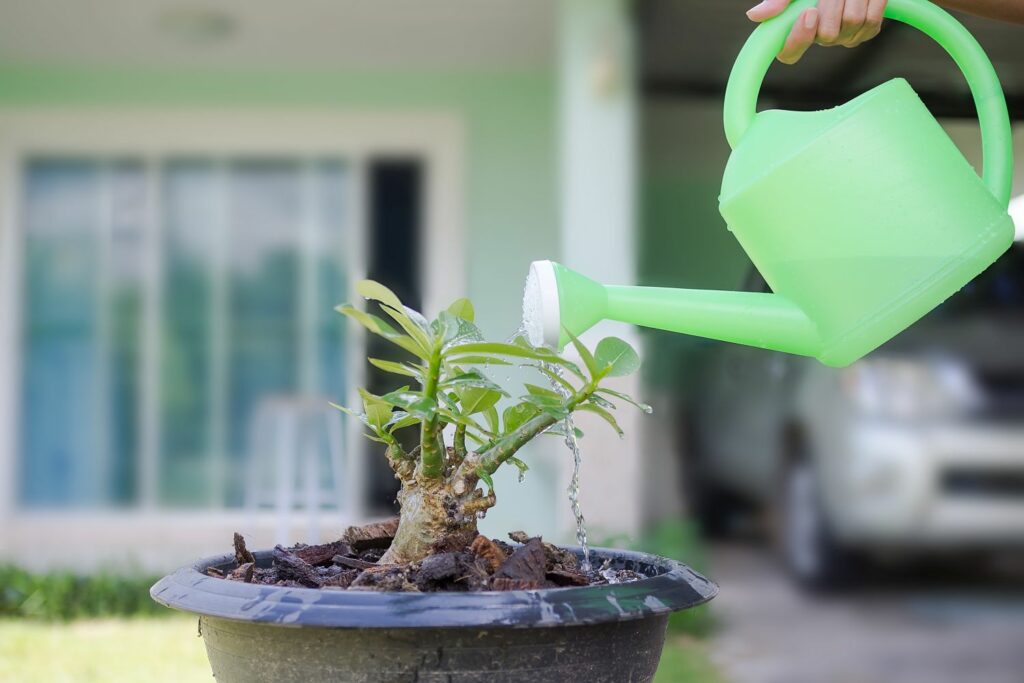
Overwatering is the number one killer of Adeniums in Malaysia. As succulents, they store water in their caudex and can tolerate drought far better than excess moisture.
Watering Schedule
Dry Season (February-March, June-August): Water every 3-5 days when soil is completely dry. Check by inserting your finger 2-3 cm into the soil – if it feels dry, water thoroughly until water drains from the bottom.
Monsoon Season (November-January): Reduce watering to once weekly or less. If your Adenium is exposed to rain, you may not need to water at all. Move potted plants under shelter during heavy downpours.
Pro Tip: Water in the morning so excess moisture evaporates during the day. Never allow pots to sit in standing water – empty saucers immediately after watering.
Fertilizing for Maximum Blooms
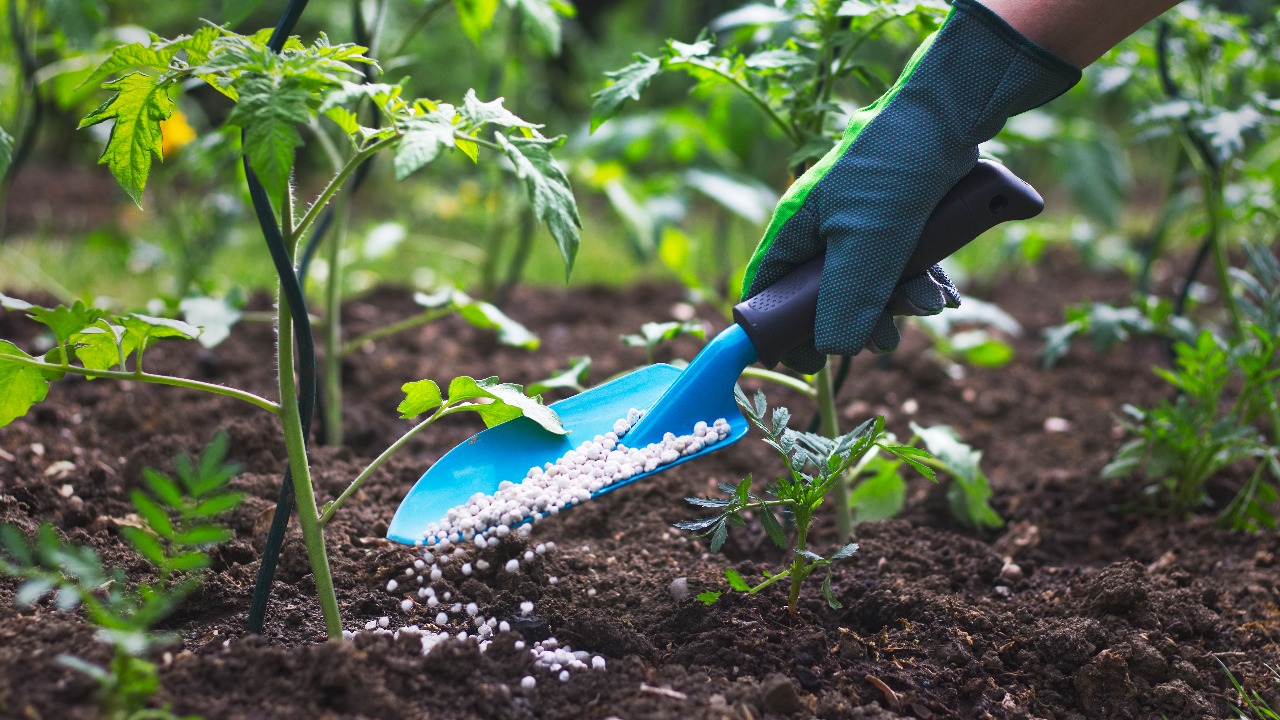
Proper fertilization is essential for the spectacular blooms Adeniums are famous for. In Malaysia’s year-round growing season, regular feeding produces continuous flowering cycles.
Recommended Fertilizer
Adenium King 19 is specifically formulated for Desert Rose plants, providing the balanced nutrition needed for both healthy caudex development and abundant flowering. This specialized fertilizer contains:
- Balanced NPK ratio optimized for Adeniums
- Micronutrients for vibrant flower colors
- Slow-release formula preventing nutrient burn
Application Schedule
Apply Adenium King 19 every 2-3 weeks during active growing and flowering periods (typically March-October in Malaysia). Reduce feeding to once monthly during slower growth periods.
Always water the plant before applying fertilizer to prevent root burn. For best results, apply in the morning when temperatures are cooler.
Growing Adenium from Seeds
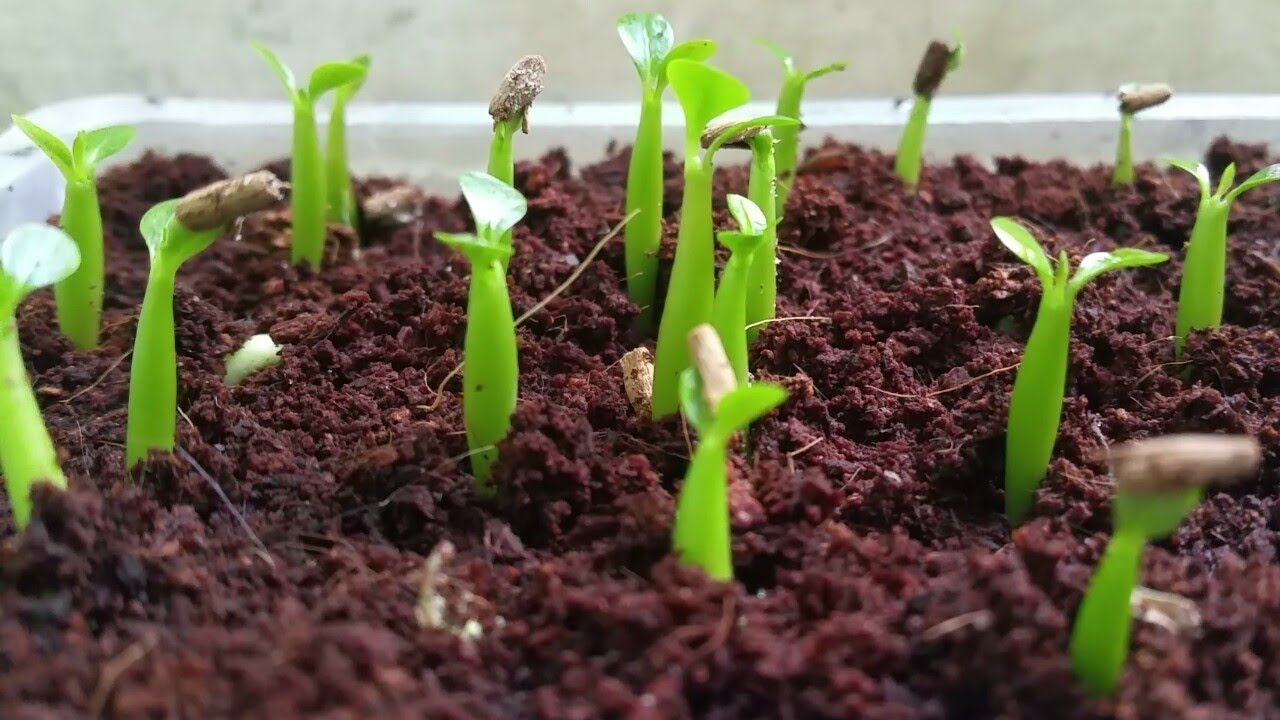
Growing Adeniums from seed is rewarding and ensures the development of a thick, attractive caudex from the start. Seeds germinate readily in Malaysia’s warm climate.
Seed Sowing Method
- Prepare the growing medium: Mix 50% perlite and 50% coco peat in a shallow tray or small pots
- Sow seeds: Sprinkle seeds on the surface and cover lightly with 3-5mm of perlite
- Provide warmth: Place in a warm location (28-32°C) with bright indirect light. A sunny windowsill works well
- Maintain moisture: Mist daily with a spray bottle to keep soil surface moist but not waterlogged
- Wait for germination: Seeds typically sprout within 5-7 days in Malaysian temperatures
For best results, use Organic Seed Booster to improve germination rates and seedling vigor.
Seedling Care
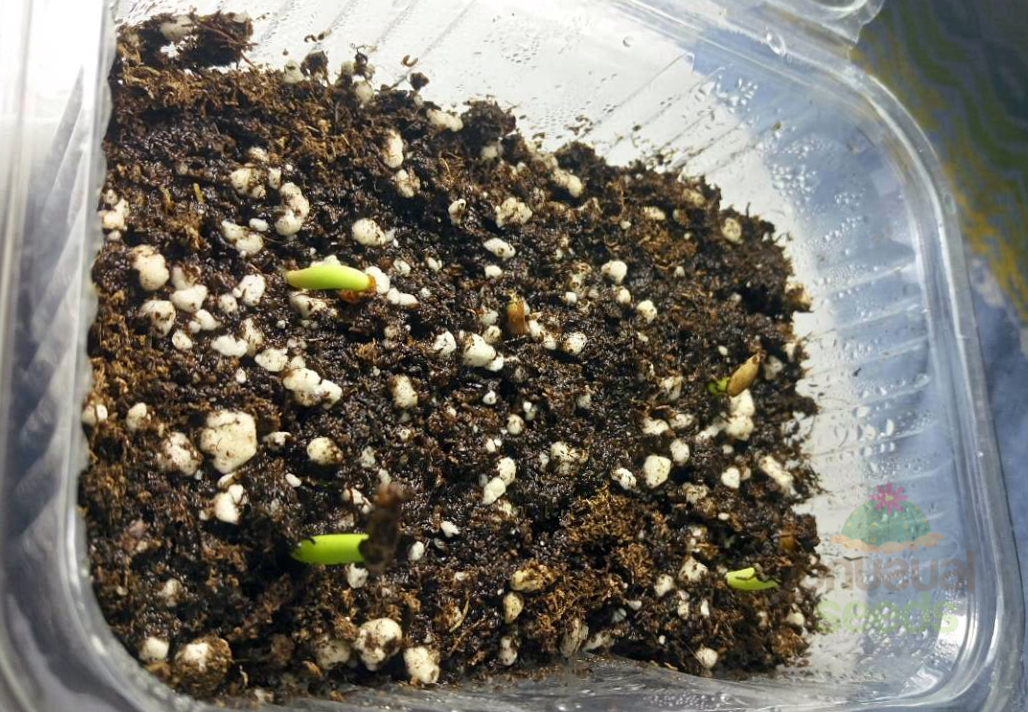
Once seedlings emerge, gradually increase light exposure over 1-2 weeks until they receive full morning sun. Water when the soil surface dries – typically every 2-3 days for young seedlings.
After seedlings develop 4-6 true leaves (usually 4-6 weeks), transplant into individual pots with the standard Adenium soil mix. Begin light fertilization with diluted Adenium King 19 (quarter strength) once monthly.
Propagation from Cuttings
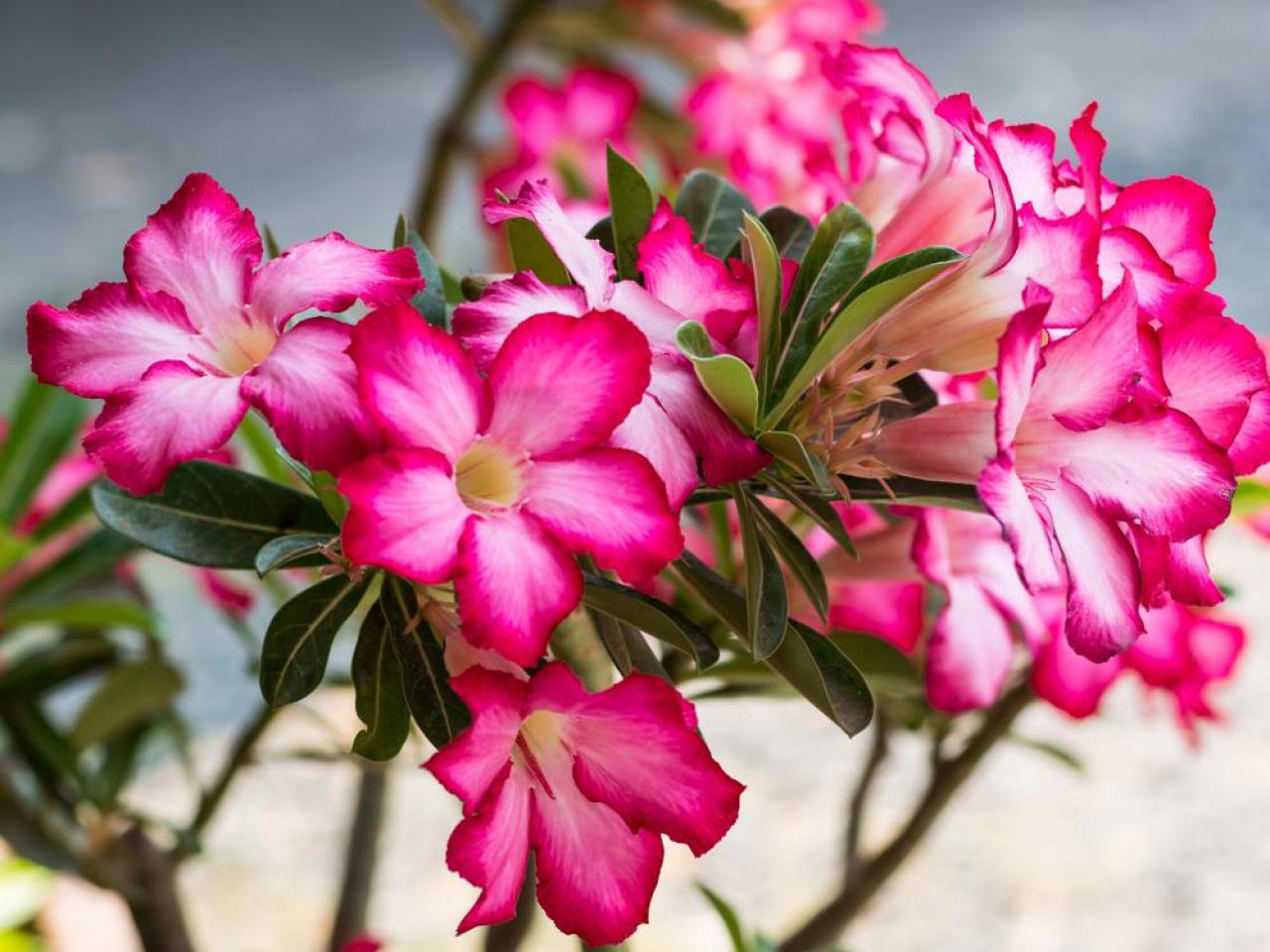
Stem cuttings are the fastest way to propagate Adeniums, though plants grown from cuttings develop smaller caudexes than seed-grown specimens.
Step-by-Step Cutting Propagation
- Select healthy stems: Choose non-flowering stems 10-15cm long from a mature, healthy plant
- Make clean cuts: Cut just below a node using sterilized pruning shears
- Remove lower leaves: Strip leaves from the bottom half, leaving 2-3 leaves at the top
- Dry the cutting: Allow the cut end to dry and callus for 2-3 days in a shaded, dry location
- Apply rooting hormone: Dip the cut end in Rooting Powder to accelerate root development
- Plant the cutting: Insert 3-5cm deep into well-draining soil mix
- Provide proper conditions: Place in bright indirect light and water sparingly every 4-5 days
Roots typically form within 2-3 weeks in Malaysian climate. You’ll know rooting has occurred when you see new leaf growth. After 4-6 weeks, treat as a mature plant.
Common Pests and Diseases
Malaysia’s humid climate can encourage certain pests and diseases. Regular monitoring and prompt treatment prevent serious problems.
Mealybugs and Spider Mites
These are the most common Adenium pests in Malaysia. Mealybugs appear as white cottony masses on stems and leaf joints, while spider mites cause fine webbing and stippled leaves.
Treatment: Spray affected plants with GarNeem Spray, an organic neem-based solution safe for use on ornamental plants. Apply weekly until infestation clears.
Root Rot
Caused by overwatering or poor drainage, root rot manifests as soft, mushy stems and yellowing leaves. Prevention is key – ensure excellent drainage and avoid overwatering.
Treatment: If caught early, remove the plant from soil, trim away rotted roots with sterilized tools, allow to dry for 2-3 days, then repot in fresh, well-draining soil.
Fungal Issues
High humidity can cause leaf spot and other fungal problems. Ensure good air circulation around plants and avoid wetting foliage when watering.
Encouraging Abundant Flowering
Adeniums can flower multiple times throughout the year in Malaysia’s climate. Several factors influence blooming:
- Adequate sunlight: Minimum 6 hours direct sun daily
- Proper fertilization: Regular feeding with Adenium King 19
- Slight water stress: Allow soil to dry completely between waterings
- Temperature: Warm temperatures (28-32°C) promote flowering
- Maturity: Plants typically begin flowering at 1-2 years old
If your mature Adenium isn’t flowering, try reducing watering for 2-3 weeks (water stress), then resume normal care. This often triggers a flowering cycle.
Pruning and Shaping
Pruning encourages branching and creates a fuller, more attractive plant. The best time to prune in Malaysia is at the end of a flowering cycle or during the drier months.
Use sterilized pruning shears to cut stems just above a node. The plant will produce 2-3 new branches from below each cut. After pruning, apply Plant Wound Dresser to large cuts to prevent infection and promote healing.
Important: Adenium sap is toxic. Wear gloves when pruning and wash hands thoroughly afterward. Keep the milky sap away from eyes and mouth.
Safety Considerations
All parts of the Adenium plant contain toxic cardiac glycosides that are poisonous if ingested. These compounds can cause serious health issues in humans and are potentially fatal to pets.
Safety Precautions
- Keep Adeniums out of reach of children and pets
- Wear gloves when handling, especially during pruning
- Wash hands thoroughly after contact with plant sap
- Never ingest any part of the plant
- Seek immediate medical attention if ingestion occurs
Despite their toxicity, Adeniums are safe to grow when proper precautions are observed. Their beauty and relatively easy care make them excellent choices for adult gardeners and collectors.
Seasonal Care Tips for Malaysia

Dry Season (February-March, June-August)
- Water every 3-5 days
- Fertilize every 2-3 weeks
- Expect peak flowering periods
- Monitor for spider mites (more common in dry conditions)
Monsoon Season (November-January)
- Reduce watering significantly
- Move potted plants under shelter during heavy rain
- Reduce fertilization to once monthly
- Watch for fungal issues and root rot
- Ensure excellent drainage
Year-Round
- Maintain 6+ hours direct sunlight
- Check regularly for pests
- Rotate pots monthly for even growth
- Repot every 2-3 years or when root-bound
Frequently Asked Questions
How often should I water my Adenium in Malaysia?
Water your Adenium only when the soil is completely dry, typically every 3-5 days in Malaysian climate. During monsoon season, reduce watering frequency as high humidity and rainfall can lead to root rot. Always check soil moisture before watering and ensure excess water drains completely.
What is the best fertilizer for Adenium flowering?
Adenium King 19 is specifically formulated for Desert Rose plants and promotes abundant flowering and healthy caudex development. Apply every 2-3 weeks during the growing season. This specialized fertilizer contains the balanced nutrients Adeniums need to thrive in tropical conditions.
Can Adenium survive in Malaysian climate?
Yes, Adeniums thrive in Malaysia’s warm climate (24-32°C) and abundant sunlight. However, they require protection from excessive monsoon rain and high humidity. Ensure excellent drainage, reduce watering during rainy periods, and provide at least 6 hours of direct sunlight daily for best results.
Are Adenium plants toxic to pets?
Yes, all parts of the Adenium plant contain toxic cardiac glycosides that are poisonous to pets and humans if ingested. Keep Adeniums out of reach of children and pets. Handle with care and wash hands after pruning or handling the plant, especially if the milky sap comes into contact with skin.
How do I propagate Adenium from cuttings?
Cut a 4-6 inch healthy stem section below a node, remove lower leaves, and let the cutting dry for 2-3 days. Dip in rooting hormone powder, then plant in well-draining soil (50% perlite, 50% coco peat). Keep in bright indirect light and water sparingly. Roots typically form within 2-3 weeks in Malaysian climate.
Why isn’t my Adenium flowering?
Common reasons include insufficient sunlight (needs 6+ hours daily), over-fertilization with nitrogen-rich fertilizers, overwatering, or plant immaturity (Adeniums typically flower at 1-2 years old). Try reducing watering for 2-3 weeks to stress the plant slightly, which often triggers flowering. Ensure you’re using a flowering-specific fertilizer like Adenium King 19.
Can I grow Adenium indoors in Malaysia?
While possible, indoor growing is challenging as Adeniums require intense direct sunlight. If growing indoors, place near a south-facing window with maximum light exposure. Expect slower growth and less frequent flowering compared to outdoor plants. Ensure excellent air circulation to prevent fungal issues in air-conditioned environments.
Conclusion
Adeniums are spectacular additions to Malaysian gardens, offering year-round interest with their sculptural forms and vibrant blooms. While they require specific care – particularly regarding drainage and watering in our humid climate – they’re remarkably forgiving once their basic needs are met.
The key to success is understanding that despite Malaysia’s tropical conditions, Adeniums are desert plants at heart. Provide abundant sunlight, excellent drainage, controlled watering, and regular feeding with Adenium King 19, and you’ll be rewarded with a stunning plant that flowers multiple times throughout the year.
Whether you’re growing from seed to develop that prized thick caudex, or propagating from cuttings for faster results, Adeniums offer something for every gardener. Their relatively compact size makes them perfect for balcony gardens, while their drought tolerance suits our increasingly unpredictable weather patterns.
Start your Adenium journey today and discover why these Desert Roses have captured the hearts of Malaysian gardeners nationwide. Happy growing!