How to Protect Your Garden During Monsoon Season in Malaysia

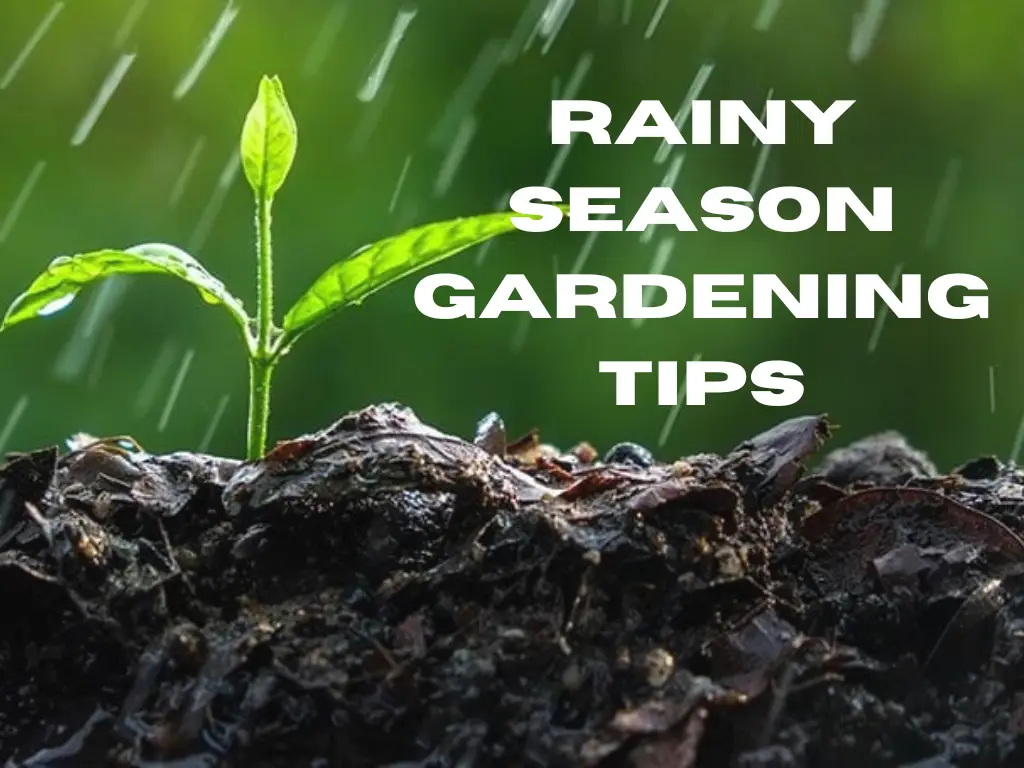
Malaysia’s monsoon season brings both opportunities and challenges for home gardeners. While the abundant rainfall provides natural irrigation for your plants, the intense downpours, high humidity (often exceeding 80%), and strong winds can damage gardens, wash away nutrients, and create conditions for fungal diseases and root rot.
Understanding how to protect your tropical garden during this period is essential for maintaining healthy, thriving plants. Whether you’re growing vegetables, ornamentals, or fruit trees in Malaysia’s warm climate (24-32°C), these expert-tested strategies will help you navigate the monsoon season successfully.
Understanding Monsoon Challenges in Malaysian Gardens
The Northeast Monsoon (November to March) and Southwest Monsoon (May to September) create distinct challenges for Malaysian gardeners:
- Nutrient leaching: Heavy rainfall washes away water-soluble fertilizers, leaving plants deficient in essential nutrients
- Waterlogging: Poor drainage causes oxygen deprivation in root zones, leading to root rot
- Soil erosion: Intense downpours strip away topsoil, exposing roots and destabilizing plants
- Wind damage: Strong gusts uproot tall plants and break branches
- Fungal diseases: High humidity and constant moisture create ideal conditions for fungal infections
- Pest proliferation: Damp conditions encourage snails, slugs, and fungus gnats
7 Essential Monsoon Garden Care Strategies
1. Apply Protective Mulch to Prevent Soil Erosion
Mulching is your first line of defense against monsoon damage. A 5-8cm layer of organic mulch around plant bases serves multiple purposes:
- Absorbs the impact of heavy raindrops, preventing soil compaction
- Anchors topsoil in place, reducing erosion
- Maintains consistent soil moisture levels between rain events
- Suppresses weed growth that competes for nutrients
For optimal results, use Serbajadi Multi-Purpose Compost as mulch. This organic material not only protects soil but gradually releases nutrients as it decomposes, counteracting nutrient washout from rainfall.
2. Improve Drainage with Soil Amendments
Waterlogging is one of the most serious monsoon threats, especially in Malaysian clay soils. Improve drainage by incorporating soil amendments:
For garden beds: Mix Serbajadi Perlite into the top 15-20cm of soil. This volcanic glass creates air pockets that allow excess water to drain while retaining adequate moisture for plant roots.
For containers: Add Serbajadi LECA Expanded Clay to potting mixes. These lightweight clay pellets prevent compaction and ensure proper aeration even during prolonged wet periods.
If plants are already showing signs of waterlogging (wilting despite wet soil, yellowing leaves), repot them immediately in fresh Serbajadi Potting Soil with enhanced drainage properties.
3. Stake Tall and Vulnerable Plants
Monsoon winds can reach speeds that easily topple tall plants. Before the heavy rains arrive:
- Install sturdy bamboo or metal stakes for tomatoes, sunflowers, and climbing vegetables
- Use soft ties (cloth strips or plant ties) to secure stems without cutting into plant tissue
- Create a figure-eight pattern when tying to allow for stem movement and growth
- Check and adjust ties weekly as plants grow
For fruit trees with heavy branches, consider installing support props to prevent branch breakage under the weight of rain-soaked foliage.
4. Protect Sensitive Plants from Excessive Rainfall
Some plants are particularly vulnerable to waterlogging and fungal diseases:
- Succulents and cacti: Move potted specimens under shelter or cover with clear plastic sheeting
- Flowering plants: Protect blooms from being battered by rain using temporary covers
- Seedlings: Shield young plants with cloches or mini greenhouses until established
When using plastic covers, ensure adequate ventilation to prevent heat buildup and fungal growth. Remove covers during dry periods to allow air circulation.
5. Use Raised Beds and Container Gardening
Elevating your plants above ground level is one of the most effective monsoon protection strategies:
Raised beds: Build beds 30-45cm high to keep root zones above waterlogged ground. Fill with a well-draining mix of soil, compost, and perlite.
Container gardening: Grow vegetables and herbs in pots with multiple drainage holes. Elevate containers on pot feet or bricks to ensure water flows freely away from roots.
This approach is particularly valuable for growing leafy vegetables and herbs that are prone to fungal diseases in overly wet conditions.
6. Replace Washed-Out Nutrients with Slow-Release Fertilizers
Heavy monsoon rains leach water-soluble nutrients from soil within days. Combat this by switching to slow-release formulations:
Serbajadi Controlled Release Fertiliser provides steady nutrition over 2-3 months, regardless of rainfall intensity. The coated granules release nutrients gradually, ensuring plants receive consistent feeding throughout the monsoon period.
Apply according to package directions at the start of monsoon season, and supplement with liquid fertilizers only if plants show deficiency symptoms (yellowing leaves, stunted growth).
7. Conduct Weekly Garden Inspections
Regular monitoring allows you to catch and address problems early:
- Check for waterlogging: Probe soil with your finger; if water pools in the hole, drainage is inadequate
- Inspect for fungal diseases: Look for spots, mildew, or rotting on leaves and stems
- Monitor for pests: Slugs, snails, and fungus gnats thrive in wet conditions
- Assess nutrient status: Yellowing leaves or pale growth indicate nutrient deficiency
- Examine stakes and ties: Ensure supports remain secure as plants grow
Remove any diseased plant material immediately to prevent spread, and adjust care routines based on your observations.
Post-Monsoon Garden Recovery
Once the heavy rains subside, help your garden recover:
- Replenish topsoil lost to erosion
- Prune damaged or diseased branches
- Apply a balanced fertilizer to restore nutrient levels
- Gradually remove protective covers to allow plants to acclimate
- Assess which plants thrived and which struggled to inform future planting decisions
Frequently Asked Questions About Monsoon Garden Care
How often should I check my garden during monsoon season in Malaysia?
Inspect your garden at least once a week during monsoon season. Look for signs of waterlogging, fungal diseases, pest infestations, and nutrient deficiencies caused by heavy rainfall washing away fertilizers. Early detection allows you to address problems before they become severe.
What should I do if my plants are waterlogged during heavy rain?
If plants show signs of waterlogging (wilting despite wet soil, yellowing leaves), improve drainage immediately by adding perlite or LECA expanded clay to the soil. For potted plants, ensure drainage holes are clear. Consider repotting severely affected plants in fresh, well-draining potting soil to prevent root rot.
Do I need to fertilize during monsoon season?
Yes, but use controlled-release fertilizers that won’t wash away with heavy rain. Monsoon rains leach nutrients from soil quickly, causing deficiencies. Slow-release formulations provide steady nutrition over weeks, ensuring plants receive adequate nutrients despite frequent downpours.
Which plants are most vulnerable during Malaysian monsoon season?
Tall plants like tomatoes and sunflowers are vulnerable to wind damage. Succulents and cacti are prone to root rot from excess moisture. Flowering plants may experience bud drop. Vegetables in ground-level beds face nutrient washout. Protect these plants with stakes, covers, raised beds, and appropriate drainage solutions.
Can I prevent soil erosion in my garden during heavy monsoon rains?
Yes, apply a 5-8cm layer of organic mulch or compost around plant bases to anchor soil and absorb rainfall impact. Mulch prevents topsoil from washing away while maintaining moisture balance. For slopes, consider terracing or installing barriers to slow water runoff and reduce erosion.
Conclusion: Thriving Through Malaysia’s Monsoon Season
With proper preparation and consistent care, your Malaysian garden can not only survive but thrive during monsoon season. The key is proactive protection: improve drainage before problems arise, use slow-release fertilizers to maintain nutrition, and monitor plants regularly to catch issues early.
By implementing these strategies tailored to Malaysia’s tropical climate, you’ll protect your investment in plants and enjoy a lush, productive garden year-round—even during the heaviest monsoon downpours.
Need monsoon-ready gardening supplies? Visit Serbajadi’s online shop for soil amendments, fertilizers, and growing media specifically formulated for Malaysian tropical conditions.