How to Grow Kalanchoe Succulents in Malaysia (Complete Guide)
Kalanchoe succulents are striking foliage houseplants that thrive as bushy, upright specimens perfect for Malaysia’s tropical climate. With their distinctive textured leaves and low-maintenance nature, these succulents have become increasingly popular among Malaysian home gardeners. This comprehensive guide will help you successfully grow and care for Kalanchoe in our warm, humid conditions (24-32°C with 80%+ humidity).
Understanding Kalanchoe Succulents
Classification: Foliage houseplant
Growth Habit: Bushy & upright succulent
Key Feature: Striking, textured leaves
Pet Safety: TOXIC to cats and dogs – Keep out of reach of pets and children
Popular Kalanchoe Varieties for Malaysian Gardens
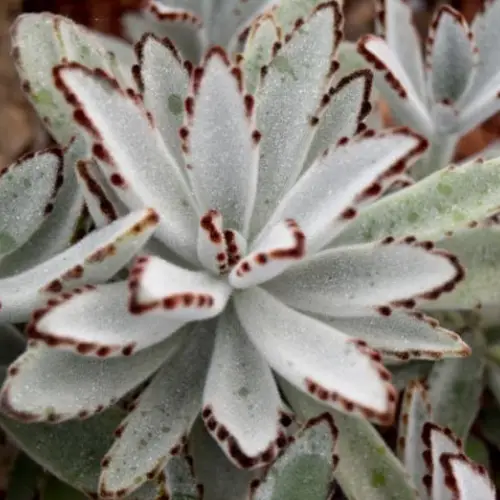
- Kalanchoe beharensis (Velvet Leaf): Features large, velvety leaves with a silvery-grey coating, perfect for adding texture to indoor displays
- Kalanchoe marmorata (Pen Wiper): Characterized by blue-grey leaves with distinctive purple-brown markings
- Kalanchoe tomentosa (Panda Plant): Beloved for its fuzzy, grey-green leaves edged with chocolate-brown spots
Essential Care Requirements for Tropical Climate
Temperature & Light
Temperature: Kalanchoe thrives in Malaysia’s average warmth (24-32°C). Protect from temperature extremes and ensure good air circulation during particularly humid periods.
Light Requirements: Provide bright, indirect light or semi-shade with some morning sunlight. In Malaysia’s intense tropical sun, avoid direct afternoon exposure which can cause leaf burn. East-facing windows or covered patios work excellently. If your Kalanchoe starts growing tall and leggy or shows leaf discoloration, it’s signaling insufficient light—move it to a brighter location.
Watering in High Humidity
Proper watering is crucial for Kalanchoe success in Malaysia’s humid climate. Unlike drier regions, our 80%+ humidity means these succulents need less frequent watering:
- Frequency: Water thoroughly only when the top 2-3cm of potting medium feels dry to touch
- Method: Water deeply until excess drains from the bottom, then allow to dry before the next watering
- Monsoon Season: Reduce watering frequency during heavy rain periods when humidity peaks
- Warning Signs: Shriveled or puckered leaves indicate underwatering; mushy, falling-apart leaves signal overwatering
Soil & Potting
Well-draining soil is non-negotiable for Kalanchoe, especially in tropical conditions. Use Serbajadi Cactus Soil, which is specifically formulated for excellent drainage in high-humidity environments.
Repotting: Only repot when the plant becomes root-bound or the soil is depleted—typically every 2-3 years. Choose pots with drainage holes and repot during the drier months for best results.
Fertilizing for Healthy Growth
Feed your Kalanchoe to maintain vibrant foliage and encourage compact growth:
- For Foliage Growth: Apply Serbajadi Cactus Growing Inducer during the active growing season
- For Flowering Varieties: Use Serbajadi Cactus Flowering Inducer to promote blooms
- Application: Follow product instructions and reduce frequency during monsoon season when growth naturally slows
Troubleshooting Common Problems
Light-Related Issues
- Leaf discoloration or fading: Insufficient light—move to brighter location with indirect sun
- Leggy, elongated growth (etiolation): Not enough light—relocate to area with more brightness
- Brown, calloused patches on leaves: Sunburn from direct afternoon sun—provide shade during peak hours
Watering Problems
- Shriveled, puckered leaves: Underwatering—increase watering frequency slightly
- Dry, brown, calloused leaves: Severe underwatering—water thoroughly and adjust schedule
- Mushy leaves that fall apart: Overwatering—reduce frequency and check drainage
- Browning or blackening leaves/stems: Root rot from overwatering—repot in fresh, dry soil and reduce watering
- Blackening at plant base: Severe root rot—may require propagation from healthy cuttings
Drainage Issues
In Malaysia’s heavy monsoon rains, drainage problems can develop quickly. If you notice root rot symptoms, immediately:
- Remove plant from wet soil
- Trim away any black, mushy roots
- Allow to dry for 24-48 hours
- Repot in fresh Serbajadi Cactus Soil
- Water sparingly until recovery
Pest Management in Tropical Conditions
Malaysia’s warm, humid climate can encourage pest activity. Regular inspection is your first line of defense.
Mealybugs
Identification: White, cottony masses on leaves and stems
Treatment: Wipe off with a damp cloth or cotton bud dipped in rubbing alcohol. Spray entire plant with Serbajadi Extra Strength Neem Spray. Repeat every 7 days until cleared.
Spider Mites
Identification: Fine webbing and tiny dots on leaves; leaves may appear dusty or stippled
Treatment: Wipe leaves with damp cloth and spray with Serbajadi Extra Strength Neem Spray
Prevention: Spider mites attack water-stressed plants. Maintain consistent (but not excessive) watering to prevent infestations.
Scale Insects
Identification: Small, brown, shell-like bumps on stems and leaves
Treatment: Scrape off with fingernail or cotton bud, then spray with Serbajadi Extra Strength Neem Spray
Quick Care Summary
| Care Aspect | Requirement |
|---|---|
| Temperature | 24-32°C (average Malaysian warmth) |
| Light | Bright indirect light or semi-shade with morning sun |
| Water | When top 2-3cm of soil is dry (every 7-10 days typically) |
| Humidity | Tolerates Malaysia’s high humidity well |
| Soil | Serbajadi Cactus Soil |
| Fertilizer | Serbajadi Cactus Growing Inducer |
| Pest Control | Serbajadi Extra Strength Neem Spray |
Frequently Asked Questions
Are Kalanchoe succulents safe for pets?
No, Kalanchoe plants are toxic to cats and dogs. They contain cardiac glycosides that can cause vomiting, diarrhea, and abnormal heart rhythm if ingested. Keep Kalanchoe plants out of reach of pets and children.
How often should I water Kalanchoe in Malaysia’s climate?
In Malaysia’s humid tropical climate (80%+ humidity), water Kalanchoe only when the top 2-3cm of soil feels dry. This is typically every 7-10 days, but may vary based on your specific conditions. Overwatering is the most common cause of Kalanchoe problems in tropical climates.
Why are my Kalanchoe leaves turning brown?
Brown leaves on Kalanchoe can indicate several issues: browned or calloused flesh suggests sunburn from direct afternoon sun; mushy brown leaves indicate overwatering; dry, brown leaves suggest underwatering. Adjust light exposure and watering frequency accordingly.
What’s the best fertilizer for Kalanchoe in Malaysia?
Use Serbajadi Cactus Growing Inducer for healthy foliage growth, or Serbajadi Cactus Flowering Inducer if you want to encourage blooms. These formulations are optimized for tropical conditions and provide balanced nutrition for succulents.
How do I treat mealybugs on Kalanchoe?
Remove visible mealybugs by wiping them off with a damp cloth or cotton bud dipped in rubbing alcohol. Then spray the entire plant with Serbajadi Extra Strength Neem Spray. Repeat treatment every 7 days until the infestation is completely cleared.
Need help with your Kalanchoe or other succulents? Visit Serbajadi’s online store for specialized products formulated for Malaysia’s tropical climate, or contact us for personalized gardening advice.