How to Grow Oregano in Malaysia: Complete Tropical Guide
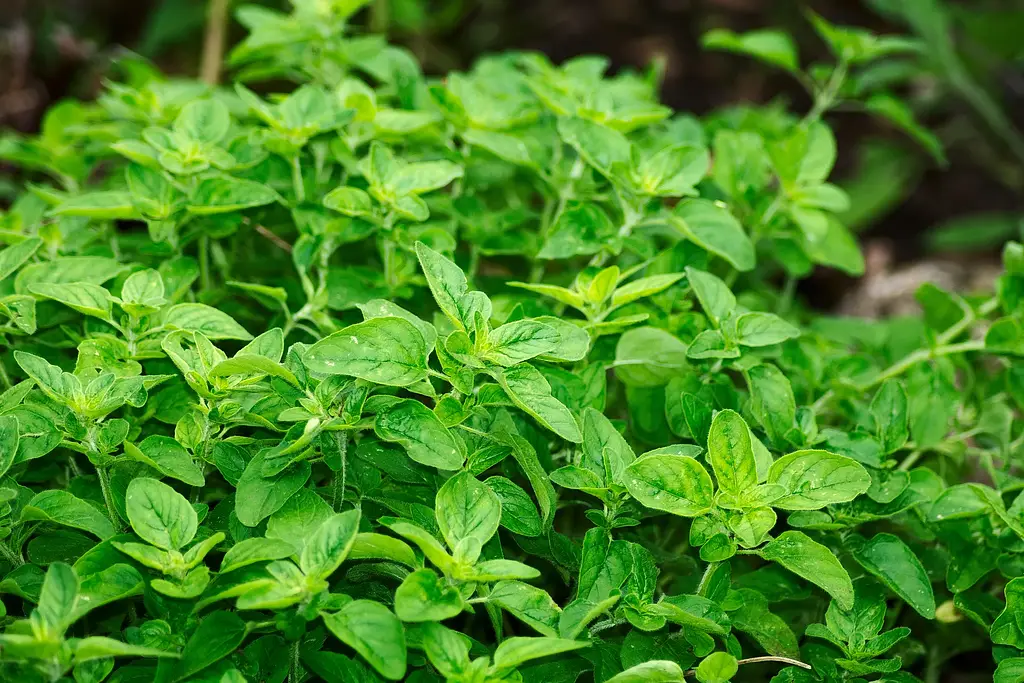
Oregano is an aromatic, ancient culinary herb prized for its pungent, spicy, and slightly bitter flavor that enhances countless dishes. While traditionally associated with Mediterranean cuisine, oregano can thrive in Malaysia’s tropical climate with the right care approach. This comprehensive guide will help you successfully grow fresh oregano year-round in your Malaysian kitchen garden.
Understanding Oregano: Plant Classification and Characteristics
Plant Type: Perennial culinary herb (often grown as annual in tropical climates)
Category: Edible herb for culinary use
Flavor Profile: Aromatic, pungent, spicy with slightly bitter notes
Pet Safety: No – Oregano is toxic to cats and dogs. Keep plants away from pets.
Popular Oregano Varieties for Malaysian Gardens
Several oregano species and varieties can be grown in Malaysia, each with unique characteristics:
- Origanum vulgare (Common Oregano): The most widely grown variety, reliable in tropical conditions
- Origanum vulgare var. hirtum (Greek Oregano): Strongest flavor, best for cooking, most heat-tolerant
- Origanum majorana (Sweet Marjoram): Milder, sweeter flavor, more delicate plant
- Origanum syriacum/Origanum maru (Syrian Oregano): Robust flavor, good heat tolerance
- Origanum vulgare var. aureum (Golden Oregano): Ornamental variety with golden-yellow foliage
Recommendation for Malaysia: Greek Oregano (var. hirtum) performs best in our climate, offering superior flavor and better tolerance to heat and humidity.
Growing Oregano in Malaysia’s Tropical Climate
Light Requirements
Oregano thrives in full sun to partial shade. In Malaysia’s intense tropical sun (24-32°C), oregano benefits from:
- Morning sun (6am-11am): Ideal for photosynthesis and essential oil production
- Afternoon shade (12pm-4pm): Protection from scorching heat during peak hours
- Flavor intensity: Full sun exposure intensifies oregano’s aromatic oils and flavor, but monitor for heat stress
Temperature and Humidity
While oregano originates from Mediterranean climates, it adapts to Malaysia’s conditions with proper care:
- Optimal temperature: 21-27°C (tolerates up to 32°C with adequate moisture)
- Humidity challenges: Malaysia’s 70-90% humidity can promote fungal diseases – ensure excellent air circulation
- Monsoon protection: Shield plants from excessive rain to prevent root rot and leaf diseases
Soil and Potting Mix
Oregano requires well-draining soil – this is critical in Malaysia’s high-rainfall environment:
- Use Serbajadi Potting Soil as the base
- Mix in 20-30% perlite or coarse sand to improve drainage
- pH preference: Slightly alkaline to neutral (6.5-7.5)
- Container growing is recommended for better drainage control
Watering Guidelines
Proper watering is crucial for oregano success in tropical Malaysia:
- Frequency: Water thoroughly only when the top 2-3cm of soil feels dry to touch
- Method: Water at the base of the plant, avoiding wet foliage to prevent fungal diseases
- Monsoon season: Reduce watering frequency significantly; move containers under shelter if possible
- Drainage: Ensure pots have adequate drainage holes – oregano cannot tolerate waterlogged conditions
- Warning: Overwatering is the primary cause of oregano failure in Malaysia
Fertilizing Your Oregano
Moderate feeding promotes healthy growth without compromising flavor:
- Apply Serbajadi Organic Vegetable Fertiliser every 2-3 weeks during active growth
- Dilute to half-strength to avoid excessive leafy growth at the expense of flavor
- Important: Observe a strict 7-day harvest interval after fertilizer application before consuming leaves
- Reduce feeding during monsoon season when growth naturally slows
Repotting
Oregano has a moderate growth rate in tropical conditions:
- Repot only when roots become crowded (typically every 12-18 months)
- Best time: Early morning during cooler, dry weather
- Use fresh Serbajadi Potting Soil mixed with drainage amendments
- Choose containers only 2-3cm larger than the previous pot
Harvesting and Maintenance
Regular Harvesting
Frequent harvesting keeps oregano plants productive and compact:
- Timing: Harvest in the morning after dew has dried for best flavor
- Method: Pinch or cut stem tips just above a set of leaves
- Frequency: Harvest regularly (every 1-2 weeks) to encourage bushier growth
- Amount: Never remove more than one-third of the plant at once
- Flower prevention: Remove flower buds promptly – flowering reduces leaf flavor
Pruning and Shaping
Keep plants in check through regular maintenance:
- Trim leggy stems to maintain compact, bushy shape
- Remove any yellowing or diseased leaves immediately
- Cut back plants by half if they become woody or overgrown
- Prune during dry weather to minimize disease risk
Common Problems and Solutions
Disease Issues
Rust Disease (Orange/yellow pustules on leaf undersides):
- Cause: Fungal infection, common in high humidity
- Solution: Remove affected leaves immediately, improve air circulation, avoid overhead watering
- Prevention: Space plants adequately, water in morning hours only
Root Rot (Wilting despite wet soil, blackened roots):
- Cause: Overwatering, poor drainage, waterlogged soil
- Solution: Repot in fresh, well-draining Serbajadi Potting Soil, remove rotted roots
- Prevention: Ensure excellent drainage, water only when soil is dry
Leaf Blight (Large dead areas on leaves, leaf drop):
- Cause: Fungal or bacterial infection during wet conditions
- Solution: Remove affected foliage, improve air flow, reduce humidity around plant
- Prevention: Avoid wetting leaves, provide shelter during heavy rain
Pest Problems
Aphids (Pale, distorted new shoots with small green/black insects):
- Identification: Clusters of tiny soft-bodied insects on new growth
- Treatment: Spray with high-pressure water, followed by Serbajadi Natural Neem Spray
- Harvest interval: Wait 7 days after neem spray application before harvesting
Spider Mites (Fine webbing, stippled leaves, dusty appearance):
- Identification: Tiny spider-like pests, visible with magnification
- Treatment: Wipe leaves with damp cloth, spray with Serbajadi Natural Neem Spray
- Prevention: Maintain consistent moisture (spider mites attack water-stressed plants), increase humidity around plant
Thrips (Silvery streaks on leaves, distorted growth):
- Identification: Tiny, slender insects causing silvery damage
- Treatment: Apply Serbajadi Natural Neem Spray weekly until controlled
- Note: Observe 7-day harvest interval after treatment
Tips for Success in Malaysian Gardens
- Container growing: Provides better drainage control – highly recommended for Malaysia
- Monsoon protection: Move containers under shelter during heavy rain periods
- Air circulation: Space plants 20-30cm apart to prevent fungal diseases
- Companion planting: Grows well with tomatoes, peppers, and other Mediterranean herbs
- Propagation: Easily propagated from stem cuttings during dry weather
- Replacement: Consider replacing plants every 2-3 years as they become woody in tropical conditions
Frequently Asked Questions
Can oregano grow well in Malaysia’s tropical climate?
Yes, oregano can grow successfully in Malaysia with proper care. While it originates from Mediterranean climates, oregano adapts well to tropical conditions when provided with good drainage, adequate sunlight, and protection from excessive monsoon rain. Choose a location with morning sun and afternoon shade, and ensure excellent soil drainage to prevent root rot in high humidity.
How often should I water oregano plants in Malaysia?
Water oregano only when the top 2-3cm of soil feels dry to touch. In Malaysia’s humid climate, this typically means watering every 2-3 days during hot, dry periods, and less frequently during monsoon season. Oregano prefers slightly dry conditions and is susceptible to root rot from overwatering. Always ensure containers have proper drainage holes.
Is oregano safe for pets like cats and dogs?
No, oregano is not safe for pets. Oregano contains essential oils that can be toxic to cats and dogs if ingested in significant amounts. Keep oregano plants out of reach of pets, and contact a veterinarian immediately if your pet consumes oregano leaves.
What are the best oregano varieties to grow in Malaysia?
The most adaptable oregano varieties for Malaysia include Greek Oregano (Origanum vulgare var. hirtum) for its strong flavor and heat tolerance, Common Oregano (Origanum vulgare) for reliability, and Sweet Marjoram (Origanum majorana) for milder flavor. Greek oregano is particularly recommended for Malaysian conditions as it handles heat and humidity better than other varieties.
How do I control pests on oregano plants organically?
For aphids, spray plants with high-pressure water followed by Serbajadi Natural Neem Spray. For spider mites, wipe leaves with a damp cloth and apply neem spray. Thrips can be controlled with regular applications of neem spray. Maintain proper watering to prevent spider mite infestations, as they attack water-stressed plants. Always observe the 7-day harvest interval after applying any treatment before consuming oregano leaves.
Ready to start your oregano garden? Visit Serbajadi’s online shop for all your herb gardening supplies, from quality potting soil to organic fertilizers specially formulated for Malaysia’s tropical climate.