How To Grow Chilli Padi in Malaysia: Complete Guide
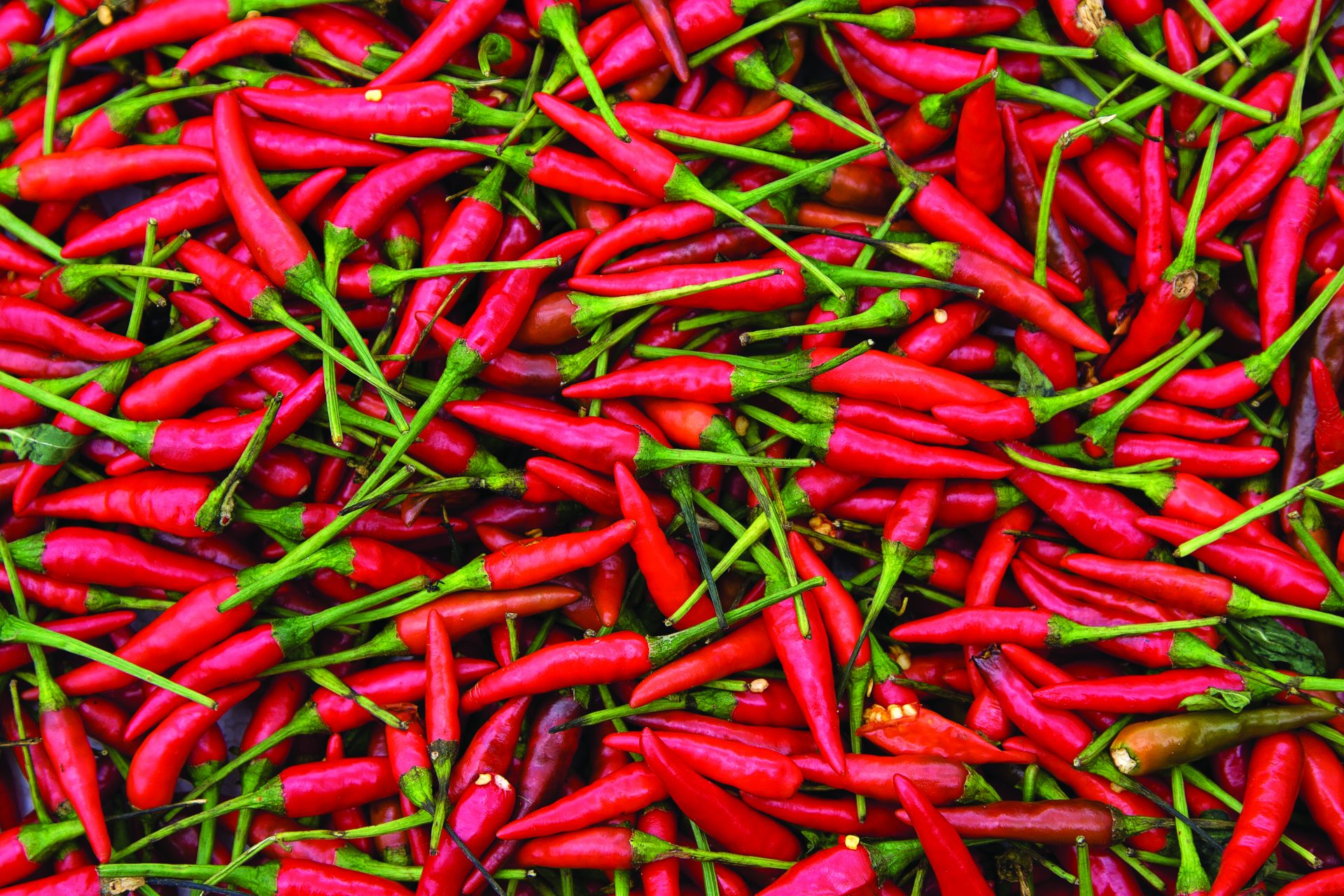
Chilli padi (also known as bird’s eye chilli or cili padi) is one of the most popular edible plants in Malaysian home gardens. These fiery small chillies pack intense heat and are essential in local cuisine. Growing chilli padi in Malaysia’s tropical climate is surprisingly easy when you understand their needs. This complete guide from Serbajadi’s horticulture experts will help you grow abundant, healthy chilli padi plants from seed to harvest.
About Chilli Padi
Classification: Edible plant
Plant Type: Fruiting vegetable
Botanical Name: Capsicum frutescens
Common Names: Chilli padi, Bird’s eye chilli, Cili padi, Thai chilli
Character: Small to medium-sized bushy plant (30-60cm tall) with small, tapering fruits that change from green to orange or red when ripe
Seeds: Serbajadi Hybrid Chilli Padi Seeds
Ideal Growing Conditions for Chilli Padi in Malaysia
Chilli padi thrives in Malaysia’s tropical climate, making it an excellent choice for home gardeners. Understanding the optimal conditions will ensure healthy plants and abundant harvests.
Temperature
Chilli padi grows best in warm conditions between 24-32°C, which perfectly matches Malaysia’s year-round climate. Plants can tolerate brief temperature spikes but may experience flower drop when temperatures exceed 35°C during extreme heat waves.
Light Requirements
Provide full sun (6-8 hours daily) for maximum fruit production. In Malaysia’s intense midday sun, partial afternoon shade can prevent heat stress while still providing adequate light. Balcony gardens with morning sun and afternoon shade work excellently.
Watering
Keep soil consistently moist but never waterlogged. In Malaysia’s humid climate with frequent rainfall, ensure excellent drainage to prevent root rot. During dry spells, water daily in the morning. Container plants may need watering twice daily during hot weather. Inconsistent watering causes flower drop and fruit splitting.
Soil Requirements
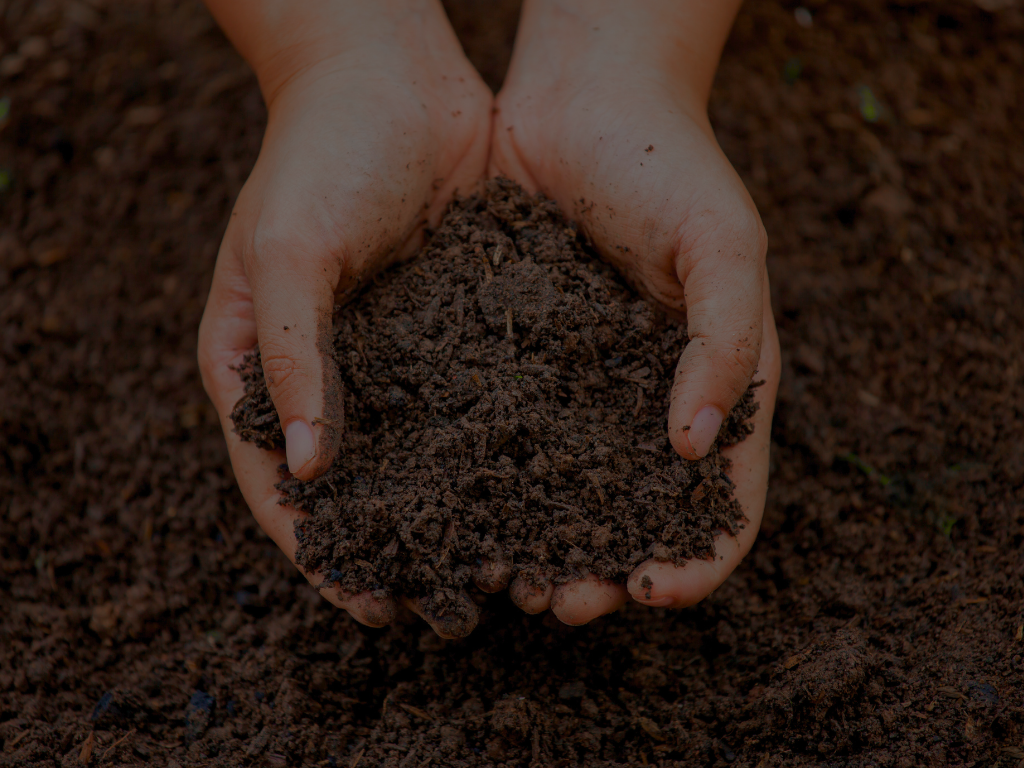
Chilli padi needs fertile, well-draining soil rich in organic matter. Use Serbajadi BioChar Soil Mix 1 or Serbajadi Potting Soil for optimal results. These mixes provide excellent drainage crucial during Malaysia’s monsoon season while retaining enough moisture during dry periods.
How to Plant Chilli Padi
Starting from Seeds
- Fill seed trays or small pots with Serbajadi Potting Soil
- Sow Serbajadi Hybrid Chilli Padi Seeds 0.5cm deep
- Keep soil moist and warm (25-30°C)
- Seeds germinate in 7-14 days in Malaysia’s warm conditions
- Transplant seedlings when they have 4-6 true leaves (about 3-4 weeks old)
Container Growing
Chilli padi grows excellently in containers, perfect for Malaysian apartments and condominiums:
- Use pots at least 25-30cm deep with drainage holes
- Fill with Serbajadi BioChar Soil Mix 1 for superior drainage
- Space plants 30-40cm apart for good air circulation
- Place containers where they receive morning sun
Ground Planting
For garden beds:
- Amend soil with Multi-Purpose Compost for improved fertility
- Ensure good drainage, especially important during monsoon season
- Space plants 40-50cm apart in rows 60cm apart
- Consider raised beds if your area experiences waterlogging
Fertilising Chilli Padi
Regular feeding is essential for healthy growth and abundant fruit production. Chilli padi is a heavy feeder, especially during flowering and fruiting stages.
Recommended fertiliser: Serbajadi Organic Vegetable Fertiliser
Fertilising Schedule
- Seedling stage (0-4 weeks): Apply diluted fertiliser every 2 weeks
- Vegetative growth (4-8 weeks): Feed every 10-14 days with full-strength fertiliser
- Flowering and fruiting: Continue feeding every 2 weeks throughout production
Important: Always observe a strict 7-day interval between fertiliser application and harvesting. Wash all harvested chillies thoroughly before use.
Common Problems and Solutions
Leaf Issues
Yellow leaves with brown patches: Usually indicates powdery mildew, common in Malaysia’s humid conditions. Improve air circulation, avoid overhead watering, and remove affected leaves. Ensure plants aren’t overcrowded.
Leaf edges rolling up: Can be caused by aphids or powdery mildew. Check undersides of leaves for pests. Spray with Extra Strength Neem Spray if pests are present.
Leaf burn or scorching: Usually from inconsistent watering or salt buildup in containers. Maintain regular watering schedule and flush containers monthly to remove excess salts.
Sudden leaf drop: Often caused by overwatering, root rot, or fungal disease. Check soil drainage and reduce watering if soil stays soggy.
Flowering and Fruiting Problems
Flower drop: Common causes include temperatures above 35°C, inconsistent watering, poor pollination, or nutrient deficiency. In Malaysia’s climate, provide afternoon shade during extreme heat and maintain consistent soil moisture. Feed regularly with Serbajadi Organic Vegetable Fertiliser.
Slow growth or small plants: Usually indicates poor growing conditions or nutrient deficiency. Ensure adequate sunlight, proper watering, and regular feeding.
Root Problems
Crystalline growths on leaf undersides and around veins: This unusual symptom indicates root rot. The plant is pushing excess minerals through leaves due to damaged roots. Immediately improve drainage, reduce watering, and consider repotting in fresh Serbajadi Potting Soil.
Pest Management
Malaysia’s warm, humid climate can encourage pest problems. Regular monitoring and early intervention are key to healthy plants.
Common Pests
Aphids: Small green, black, or brown insects clustering on new growth and flower buds. They cause leaf curling and stunted growth. Spray plants with high-pressure water to dislodge aphids, then follow up with Extra Strength Neem Spray. More information: Understanding Aphids.
Thrips: Tiny insects causing silvery streaks on leaves and deformed flowers. Spray affected plants with Extra Strength Neem Spray. Remove heavily damaged leaves.
Spider mites: These pests thrive on water-stressed plants. You’ll notice fine webbing and stippled, yellowing leaves. Wipe leaves with a damp cloth or cotton bud to remove mites and webs. Spray with Extra Strength Neem Spray. Prevention is key: maintain consistent soil moisture (but avoid overwatering) to keep plants healthy and less susceptible to attack.
Important Safety Note: Always observe a strict 7-day interval between any pest control application and harvesting chillies. Wash all harvested produce thoroughly before consumption.
Harvesting Chilli Padi
Chilli padi typically begins producing fruit 75-90 days after planting in Malaysia’s climate. Harvest regularly to encourage continuous production.
When to Harvest
- Green chillies: Pick when fruits reach full size but are still green (less spicy)
- Red chillies: Wait until fruits turn completely red for maximum heat and flavour
- Use scissors or pruners to cut chillies with a short stem attached
- Harvest every 3-5 days during peak production
Harvest Safety
- Wait 7 days after any fertiliser or pest control application before harvesting
- Wash all chillies thoroughly before use
- Wear gloves when handling large quantities to avoid skin irritation
- Store fresh chillies in the refrigerator for up to 2 weeks
Tips for Success in Malaysia’s Climate
- Monsoon preparation: Ensure excellent drainage before rainy season. Move container plants under shelter during heavy downpours to prevent waterlogging.
- Heat management: During hot, dry periods, provide afternoon shade and increase watering frequency.
- Humidity control: Space plants adequately for air circulation to prevent fungal diseases in humid conditions.
- Continuous harvest: Pick chillies regularly to encourage more flowering and fruiting.
- Succession planting: Start new plants every 2-3 months for year-round harvest.
Frequently Asked Questions
How long does chilli padi take to grow in Malaysia?
Chilli padi typically takes 75-90 days from planting to first harvest in Malaysia’s tropical climate. Seeds germinate in 7-14 days, and plants begin flowering around 45-60 days. The warm temperatures and consistent humidity in Malaysia create ideal conditions for faster growth compared to temperate climates.
Can chilli padi grow in pots?
Yes, chilli padi grows excellently in containers, making it perfect for Malaysian balcony and patio gardens. Use pots at least 25-30cm deep with drainage holes. Fill with Serbajadi Potting Soil or BioChar Soil Mix 1 for optimal drainage and nutrition. Container growing also makes it easier to move plants during heavy monsoon rains.
Why are my chilli padi flowers dropping?
Flower drop in chilli padi is commonly caused by pollination issues, temperature stress above 35°C, inconsistent watering, or nutrient deficiency. In Malaysia’s climate, ensure consistent moisture during hot periods, provide afternoon shade during extreme heat, and feed regularly with Serbajadi Organic Vegetable Fertiliser to support flower retention and fruit set.
How do I prevent pests on chilli padi plants?
Prevent pests by maintaining good air circulation between plants, avoiding overhead watering in humid conditions, and inspecting plants regularly. For aphids, thrips, and spider mites, spray with Extra Strength Neem Spray at the first sign of infestation. Water-stressed plants attract more pests, so maintain consistent soil moisture. Always observe a 7-day interval between spraying and harvesting.
What causes yellow leaves on chilli padi?
Yellow leaves on chilli padi usually indicate nitrogen deficiency, overwatering, or root problems. In Malaysia’s heavy rainfall, ensure pots have excellent drainage to prevent waterlogging. Feed with Serbajadi Organic Vegetable Fertiliser every 2-3 weeks to maintain nutrient levels. If soil stays soggy, repot in fresh Serbajadi Potting Soil with better drainage.
Conclusion
Growing chilli padi in Malaysia is rewarding and relatively straightforward when you provide the right conditions. With proper soil, consistent watering, regular feeding, and pest management, you’ll enjoy abundant harvests of these fiery chillies year-round. Start your chilli padi garden today with quality Serbajadi Hybrid Chilli Padi Seeds and experience the satisfaction of growing your own spicy ingredients.
For more tropical gardening tips and quality products optimized for Malaysia’s climate, visit Serbajadi’s online store.