How to Grow Lemon Balm in Malaysia’s Tropical Climate
Lemon balm (Melissa officinalis) is a delightful perennial herb that brings the refreshing scent of lemon with a hint of mint to your Malaysian garden. This easy-to-grow aromatic plant thrives in our tropical climate when given the right care, making it perfect for kitchen gardens, container growing, and herb collections. Whether you’re growing it for culinary use, herbal teas, or simply enjoying its pleasant fragrance, lemon balm is a rewarding addition to any home garden.
About Lemon Balm
Classification: Foliage herb plant
Plant Type: Perennial culinary herb
Character: Aromatic perennial with refreshing lemon scent and subtle mint undertones
Pet Safety: Yes, safe for cats, dogs, and horses
Popular Lemon Balm Varieties
Several varieties of lemon balm are available for Malaysian gardeners, each with unique characteristics:
- Melissa officinalis – The standard variety with classic lemon fragrance and green leaves
- Melissa officinalis ‘All Gold’ (syn. ‘Golden’) – Striking golden-yellow foliage that brightens shaded areas
- Melissa officinalis ‘Aurea’ (syn. ‘Variegata’) – Attractive variegated leaves with green and gold patterns
- Melissa officinalis ‘Citronella’ – Enhanced lemon scent, excellent for teas and culinary use
- Melissa officinalis ‘Compacta’ – Compact growth habit, ideal for container gardening in limited spaces
- Melissa officinalis ‘Lime’ – Lime-scented variation offering a citrus twist
- Melissa officinalis ‘Quedlinburger Niederliegende’ (syn. ‘Quedlinburger’) – Low-growing variety suitable for ground cover
Growing Lemon Balm in Malaysia’s Climate
Malaysia’s tropical climate (24-32°C) with high humidity and monsoon rains presents both opportunities and challenges for growing lemon balm. This Mediterranean herb adapts well to our conditions when provided with proper care.
Temperature Requirements
Lemon balm prefers average warmth and tolerates Malaysia’s year-round temperatures well. While it can handle full tropical sun, partial shade during the hottest afternoon hours (2-4 PM) prevents leaf scorch and maintains optimal growth.
Light Conditions
Provide 4-6 hours of sunlight daily. Morning sun with afternoon shade works best in our climate. In areas with intense heat, dappled shade throughout the day produces lush, aromatic foliage without stress.
Watering Guidelines
Keep soil consistently moist but never waterlogged. Well-draining soil is essential, especially during monsoon seasons when heavy rains can cause root rot. Water when the top 2-3 cm of soil feels dry to the touch. During dry spells, daily watering may be necessary, while monsoon periods require reduced frequency.
Planting and Soil Requirements
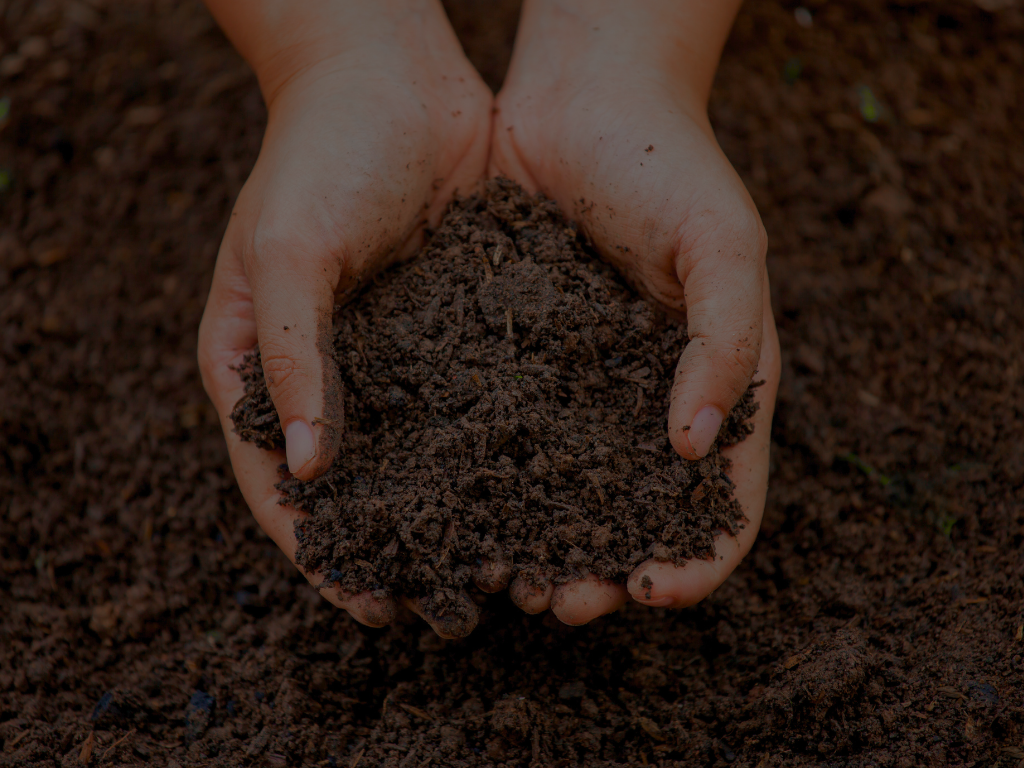
Success with lemon balm starts with proper soil preparation. Use high-quality potting mix that retains moisture while providing excellent drainage.
Recommended Growing Media:
- Serbajadi Multi-Purpose Compost – Rich in organic matter, ideal for container growing
- Serbajadi Potting Soil (5L) – Well-balanced mix for herbs and edible plants
Repot only when the plant becomes root-bound, typically every 12-18 months. Choose containers with drainage holes to prevent water accumulation.
Fertilizing for Healthy Growth
Regular feeding promotes vigorous growth and enhances the aromatic oils in lemon balm leaves. Apply Serbajadi Plant Food Organic Plus 23 Growing Fertilisers (750gm) every 2-3 weeks during active growth periods.
Important: Observe a 7-day withholding period between fertilizer application and harvesting leaves for consumption. Always wash harvested leaves thoroughly before use.
Maintenance and Harvesting
Regular harvesting is essential for maintaining compact, bushy lemon balm plants. Pinch or cut stem tips every 1-2 weeks to encourage branching and prevent premature flowering. This practice also provides fresh leaves for culinary and medicinal use.
Harvesting Tips:
- Harvest in the morning after dew dries for maximum essential oil content
- Cut stems just above a leaf node to promote new growth
- Never remove more than one-third of the plant at once
- Regular harvesting prevents the plant from becoming leggy
Common Problems and Solutions
Leaf Issues
Small, whitish, slightly raised spots turning reddish-orange or brown on leaf undersides:
This indicates overwatering or poor drainage. Reduce watering frequency and ensure containers have adequate drainage holes. Consider repotting with fresh, well-draining soil if the problem persists.
Leaf tips yellowing, curling, and dying:
Over-fertilizing causes salt buildup in soil, leading to leaf burn. Flush the soil thoroughly with water and reduce fertilizer application to once every 3-4 weeks. Allow the plant to recover before resuming regular feeding schedule.
Pest Management
While lemon balm’s strong scent naturally repels many pests, some common garden insects may still appear:
Whiteflies:
Small white flying insects on leaf undersides. Spray affected plants with Extra Strength Neem Spray. Apply in early morning or late evening to avoid leaf burn. Repeat every 7 days until infestation clears.
Spider Mites:
Tiny pests causing fine webbing and stippled leaves. Wipe leaves with a damp cloth or cotton bud to remove mites, then spray with Extra Strength Neem Spray. Spider mites attack water-stressed plants, so maintain consistent soil moisture to prevent infestations.
Aphids:
Soft-bodied insects clustering on new growth. First, spray plants with strong water pressure to dislodge aphids. Follow up with Extra Strength Neem Spray application. For detailed aphid control strategies, read our comprehensive aphid management guide.
Safety Reminder: When using any pest control product on edible plants, observe a strict 7-day withholding period before harvesting. Wash all harvested leaves thoroughly before consumption.
Tips for Success in Malaysian Gardens
- Monsoon Protection: During heavy rains, move container plants under shelter to prevent waterlogging and root rot
- Humidity Management: Good air circulation prevents fungal issues in our high-humidity climate
- Container Choice: Use terracotta or clay pots that allow soil to breathe and dry between waterings
- Companion Planting: Grow alongside tomatoes, peppers, and other vegetables to naturally repel pests
- Propagation: Easily propagate from stem cuttings during the growing season for continuous supply
Frequently Asked Questions
Is lemon balm safe for pets?
Yes, lemon balm (Melissa officinalis) is considered non-toxic to cats, dogs, and horses according to ASPCA. It’s a safe choice for households with pets.
Can lemon balm grow in Malaysia’s hot climate?
Yes, lemon balm adapts well to Malaysia’s tropical climate (24-32°C) when given partial shade during the hottest afternoon hours. Consistent moisture and good drainage are key to success in high humidity conditions.
How often should I harvest lemon balm?
Harvest lemon balm tips regularly, every 1-2 weeks during active growth. This encourages bushier plants and prevents premature flowering. Always leave at least two-thirds of the plant intact for continued growth.
What causes yellow leaves on lemon balm?
Yellow leaves starting from the tips and progressing inward typically indicate over-fertilizing. Reduce fertilizer frequency and flush the soil with water. If lower leaves turn yellow, it may signal nitrogen deficiency or overwatering.
Which lemon balm variety is best for Malaysia?
The standard Melissa officinalis and compact variety ‘Compacta’ perform well in Malaysian conditions. ‘Compacta’ is ideal for container gardening in limited spaces, while ‘Citronella’ offers stronger lemon fragrance for culinary use.
Start Your Lemon Balm Garden Today
Growing lemon balm in Malaysia is both rewarding and practical. This versatile herb provides fresh leaves for teas, cooking, and natural remedies while filling your garden with delightful fragrance. With proper care using quality products like Serbajadi Multi-Purpose Compost and Serbajadi Plant Food Organic Plus 23, your lemon balm will thrive in our tropical climate, providing aromatic harvests year-round.