How to Grow Lavender in Malaysia’s Tropical Climate
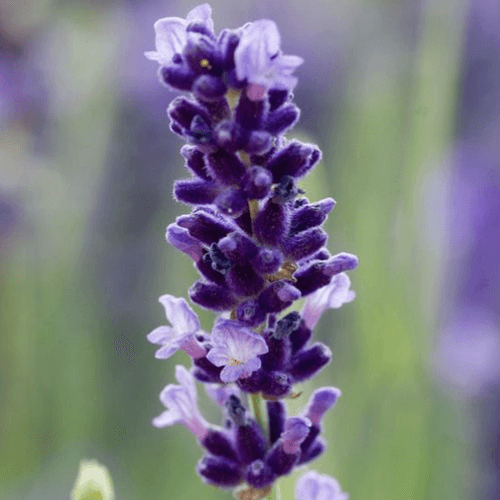
Lavender (Lavandula spp.) is beloved worldwide for its fragrant purple blooms and aromatic foliage, but growing this Mediterranean native in Malaysia’s tropical climate presents unique challenges. With temperatures ranging from 24-32°C and humidity levels often exceeding 80%, Malaysian gardeners must adapt traditional lavender care to suit our hot, humid conditions.
While lavender naturally thrives in dry, sunny climates with cool nights, it’s still possible to cultivate this beautiful herb successfully in Malaysia—especially when grown in containers with careful attention to drainage and watering. This comprehensive guide will help you navigate the specific requirements for growing lavender in tropical Southeast Asia.
Understanding Lavender: Plant Classification
Plant Type: Flowering perennial herb
Growth Habit: Compact shrub (30-90cm depending on variety)
Characteristics: Highly fragrant, drought-tolerant, attracts pollinators, requires excellent drainage
Pet Safety: Toxic to cats and dogs if ingested in large quantities
Best Lavender Varieties for Malaysia
Not all lavender varieties adapt equally well to tropical conditions. While English lavender (Lavandula angustifolia) is most popular globally, it struggles in Malaysia’s heat and humidity. Consider these more heat-tolerant alternatives:
- Lavandula dentata (French Lavender): Most heat-tolerant variety with serrated leaves and continuous blooming. Best choice for Malaysian gardens.
- Lavandula stoechas (Spanish Lavender): Distinctive “rabbit ear” bracts, tolerates heat better than English varieties.
- Lavandula multifida (Fernleaf Lavender): Finely divided foliage, adapts to warmer climates with proper care.
- Lavandula angustifolia (English Lavender): Challenging in Malaysia; requires exceptional drainage and air circulation.
- Lavandula x intermedia (Lavandin): Hybrid variety; moderate heat tolerance but susceptible to humidity-related fungal issues.
Essential Growing Conditions for Tropical Lavender
Temperature Requirements
Lavender prefers warm to hot temperatures (18-30°C) but can tolerate Malaysia’s higher temperatures if other conditions are optimal. The main challenge isn’t heat but the combination of heat with high humidity. Ensure excellent air circulation around plants to reduce humidity-related stress and fungal problems.
Light Requirements
Lavender is a full-sun plant requiring 6-8 hours of direct sunlight daily. In Malaysia’s intense tropical sun, morning sun with light afternoon shade can prevent heat stress while still providing adequate light. Position containers on sunny balconies, rooftops, or the sunniest spots in your garden. Insufficient light leads to leggy growth and poor flowering.
Watering Guidelines
Critical for success: Lavender is extremely drought-tolerant and cannot tolerate wet feet. This is the most important factor when growing lavender in Malaysia’s humid climate.
- Water only when the top 5cm of soil is completely dry
- In humid conditions, this may be only once every 5-7 days
- During monsoon season, reduce watering frequency or move containers under shelter
- Always check soil moisture before watering—when in doubt, wait
- Water at the base of the plant, avoiding foliage to prevent fungal issues
- Morning watering allows excess moisture to evaporate during the day
Soil Requirements
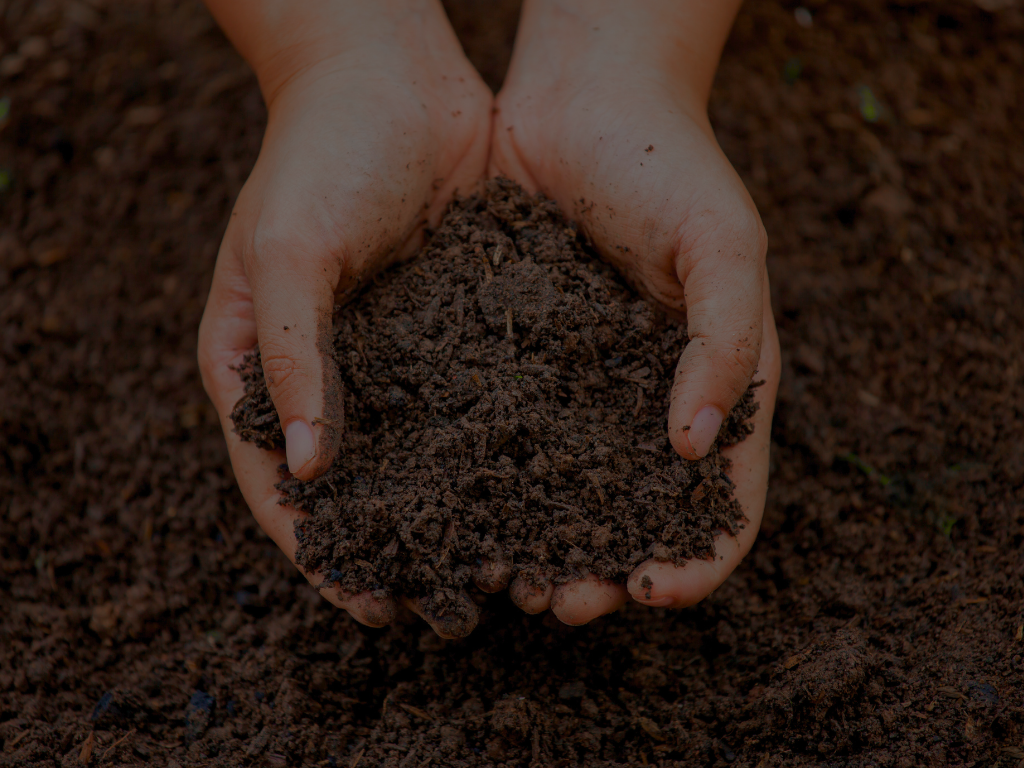
Well-draining soil is absolutely essential. Lavender prefers slightly alkaline, sandy, or gravelly soil that drains quickly. For Malaysian conditions, create an ideal growing medium by mixing:
- Serbajadi Potting Soil as the base
- Add 30-40% Perlite or coarse sand for drainage
- Optional: Add a small amount of Garden Lime to raise pH slightly (lavender prefers pH 6.5-7.5)
Always use containers with multiple drainage holes. Terracotta pots are ideal as they allow soil to dry more quickly than plastic containers.
Fertilization
Lavender is adapted to nutrient-poor Mediterranean soils and requires minimal fertilization. Over-fertilizing, especially with nitrogen-rich products, promotes excessive leaf growth at the expense of flowers and increases susceptibility to pests and diseases.
Fertilization schedule:
- Apply a thin layer (1-2cm) of Serbajadi Multi-Purpose Compost around the base every 2-3 months
- Avoid high-nitrogen fertilizers
- If flowering is poor, consider a light application of phosphorus-rich fertilizer during the growing season
- Established plants often thrive with compost alone
Common Problems and Solutions
Fungal Issues and Root Rot
Cause: Overly wet soil conditions, poor drainage, or high humidity
Symptoms: Wilting despite wet soil, brown/black roots, plant collapse
Solution: This is the most common cause of lavender failure in Malaysia. Immediately reduce watering, improve drainage, and consider repotting in fresh, well-draining soil. Remove affected roots and ensure containers have adequate drainage holes. Prevention is key—always err on the side of underwatering.
Plant Wilting
Cause: Overwatering or waterlogged soil (most common), rarely underwatering
Symptoms: Drooping stems and leaves
Solution: Check soil moisture. If soil is wet, stop watering and improve drainage. If soil is bone dry (rare), water thoroughly and adjust watering schedule.
Yellowing Leaves (Potted Plants)
Cause: Nitrogen imbalance—either too much or too little
Symptoms: Pale yellow foliage, poor growth
Solution: If over-fertilized, flush soil with water and reduce fertilization. If under-fertilized (rare), apply a light dose of balanced fertilizer or compost.
Yellowing Leaves (Ground-Planted)
Cause: High humidity combined with poor drainage
Symptoms: Yellow leaves, especially lower foliage
Solution: Improve soil drainage by amending with sand or perlite. Increase spacing between plants for better air circulation. Consider moving to containers for better moisture control.
Yellow Leaves with Gray/Black Sooty Appearance
Cause: Fungal infection (common in humid climates)
Symptoms: Discolored foliage with dark patches
Solution: Remove affected leaves, improve air circulation, reduce watering frequency, and ensure plants receive full sun. Avoid overhead watering. In severe cases, consider fungicidal treatment.
Pest Management
Spittlebugs
Identification: White foamy “spittle” on stems and leaves
Control: Wash plants periodically with a strong spray of water to remove both bugs and spittle. Repeat weekly until infestation clears. These pests are more unsightly than harmful.
Whiteflies
Identification: Tiny white flying insects on undersides of leaves
Control: Spray affected plants with Serbajadi Extra Strength Neem Spray. Apply in early morning or late evening, covering both upper and lower leaf surfaces. Repeat every 7 days until infestation is controlled.
Aphids
Identification: Small soft-bodied insects clustering on new growth
Control: First, spray plants with high-pressure water to dislodge aphids. Follow up with Serbajadi Extra Strength Neem Spray for persistent infestations. Repeat treatment weekly as needed.
Tips for Success in Malaysia’s Climate
- Container growing is recommended: Pots allow better control over soil moisture and drainage—critical in our humid climate.
- Choose terracotta pots: These breathable containers help soil dry faster than plastic.
- Elevate containers: Place pots on feet or bricks to ensure water drains freely and doesn’t pool underneath.
- Prune regularly: Trim plants after flowering to maintain compact shape and improve air circulation.
- Provide shelter during heavy rain: Move containers under cover during prolonged monsoon downpours to prevent waterlogging.
- Monitor closely during humid periods: High humidity increases fungal disease risk—reduce watering and ensure maximum air flow.
- Start with French lavender: Lavandula dentata is the most forgiving variety for beginners in tropical climates.
Frequently Asked Questions
Can lavender grow in Malaysia’s hot and humid climate?
Yes, but it requires special care. Lavender prefers dry, Mediterranean climates, so growing it in Malaysia’s tropical conditions (24-32°C with high humidity) is challenging. Choose heat-tolerant varieties like Lavandula dentata or Lavandula stoechas, ensure excellent drainage, provide maximum sunlight, and water sparingly. Container growing is recommended for better control over soil moisture.
Why is my lavender wilting even though the soil is wet?
Wilting with wet soil indicates root rot, the most common problem for lavender in Malaysia’s humid climate. Lavender is extremely drought-tolerant and cannot tolerate waterlogged conditions. Reduce watering immediately, ensure your pot has adequate drainage holes, and consider repotting in fresh, well-draining soil mixed with perlite or sand.
How often should I water lavender in Malaysia?
Water only when the top 5cm of soil is completely dry, typically once every 5-7 days depending on pot size and weather conditions. During Malaysia’s monsoon season, you may need to water even less frequently. Always check soil moisture before watering—when in doubt, wait another day. Lavender tolerates drought much better than excess moisture.
What pests commonly affect lavender in Malaysia?
Common lavender pests in Malaysia include whiteflies, aphids, and spittlebugs. For whiteflies and aphids, spray affected plants with high-pressure water followed by Serbajadi Extra Strength Neem Spray. For spittlebugs, wash plants periodically with a strong spray of water to remove both bugs and their characteristic foamy spittle.
Why are my lavender leaves turning yellow?
Yellow leaves on lavender can indicate several issues. In potted plants, it may signal nitrogen imbalance (too much or too little). For ground-planted lavender, yellowing often results from Malaysia’s high humidity combined with poor drainage. Yellow leaves with gray or black sooty appearance indicate fungal infection—improve air circulation, reduce watering, and ensure the plant receives full sun to reduce humidity around foliage.
Conclusion
While growing lavender in Malaysia’s tropical climate requires more attention than in its native Mediterranean habitat, success is absolutely achievable with the right approach. The key is understanding that lavender’s greatest enemy in our climate isn’t heat—it’s excess moisture. By prioritizing excellent drainage, careful watering, maximum sunlight, and choosing heat-tolerant varieties, Malaysian gardeners can enjoy the beauty and fragrance of this beloved herb.
Remember: when it comes to lavender in Malaysia, less is more—less water, less fertilizer, and less humidity will yield the best results. Start with French lavender (Lavandula dentata) for the most forgiving introduction to growing this Mediterranean beauty in Southeast Asia.
Need help with your lavender or other tropical gardening questions? Visit Serbajadi’s online store for quality growing supplies optimized for Malaysia’s climate, or explore our blog for more expert plant care guides.