How to Grow Sunflowers in Malaysia: Complete Tropical Guide
Sunflowers (Helianthus annuus) bring instant cheer to any Malaysian garden with their bright, sun-like blooms. While these cheerful annuals are native to cooler climates, they can thrive beautifully in Malaysia’s tropical conditions (24-32°C) when given proper care. Whether you’re growing them in garden beds or containers on your balcony, this complete guide will help you successfully cultivate vibrant sunflowers in hot, humid weather.
Understanding Sunflowers: Plant Classification
Botanical Name: Helianthus annuus
Plant Type: Annual flowering plant
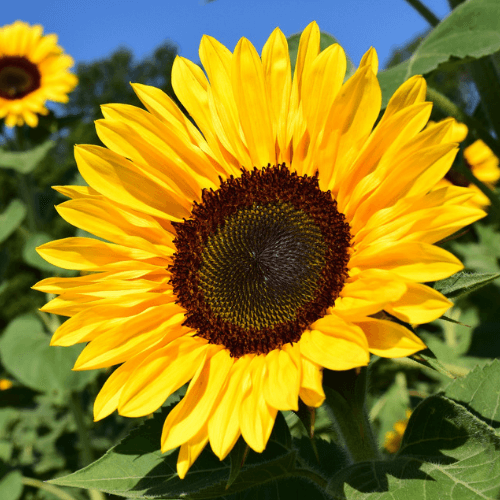
Characteristics: Large, round flower heads with bright ray florets (petals) surrounding a central disc, resembling the sun. Flowers track the sun’s movement across the sky (heliotropism) when young.
Pet Safety: ✓ Yes, non-toxic to cats and dogs
Best Sunflower Varieties for Malaysian Gardens
Not all sunflower varieties perform equally well in tropical heat and humidity. Here are the best cultivars for Malaysian growing conditions:
Compact Varieties (Ideal for Containers & Small Spaces)
- Helianthus annuus ‘Pacino’ – Dwarf variety (30-40cm), perfect for pots, bright yellow blooms
- Helianthus annuus ‘Big Smile’ – Compact (30-45cm), large flowers on short stems, heat-tolerant
- Helianthus annuus ‘Teddy Bear’ – Fluffy, double-petaled blooms (40-60cm), excellent for containers
Medium to Tall Varieties
- Helianthus annuus ‘Italian White’ – Unique cream-colored petals with dark centers (120-150cm)
- Helianthus annuus ‘Orange Sun’ – Vibrant orange blooms (150-180cm)
- Helianthus annuus ‘Pastiche’ – Multi-colored mix of yellows, reds, and bronzes (120-150cm)
- Helianthus annuus ‘Sungold Double’ – Fully double, pom-pom flowers (150-180cm)
- Helianthus annuus ‘Velvet Queen’ – Deep burgundy-red petals (150-180cm)
Malaysian Climate Tip: Compact varieties (under 60cm) perform better in our hot, humid conditions as they’re less prone to wind damage during monsoon storms and require less staking.
Complete Sunflower Care Guide for Tropical Climates
Temperature Requirements
Sunflowers prefer warm conditions and thrive in Malaysia’s tropical temperatures of 24-32°C. They can tolerate heat well but may require extra watering during particularly hot, dry spells. Avoid planting during the coolest months (December-January) in highland areas.
Light Requirements
Full sun (6-8 hours daily) is essential for healthy sunflowers. Choose the sunniest spot in your garden or balcony. Insufficient light results in weak, leggy stems and poor flowering. Young sunflowers exhibit heliotropism (following the sun), but mature flowers typically face east.
Watering Guidelines
Water liberally and consistently, allowing the planting medium to dry slightly between waterings. Sunflowers are relatively drought-tolerant once established but produce better blooms with regular moisture.
Tropical Climate Considerations:
- During hot, dry periods: Water daily, especially for container plants
- During monsoon season: Reduce watering frequency, ensure good drainage
- Check soil moisture 5cm below surface before watering
- Water at the base to prevent fungal issues in humid conditions
Soil & Growing Medium
For rapid, vigorous growth and larger flower heads, use nutrient-rich, well-draining growing medium:
- Recommended: Serbajadi Organic Peat Moss – Excellent moisture retention with good drainage
- Alternative: Serbajadi Multi-Purpose Compost – Rich in organic matter for strong root development
Sunflowers prefer slightly acidic to neutral soil (pH 6.0-7.5). In Malaysia’s typically acidic soils, adding compost helps balance pH naturally.
Fertilising Schedule
Sunflowers are moderate to heavy feeders, especially during flowering:
Recommended: Serbajadi Plant Food Organic Plus 41 Flowering Fertiliser (750gm)
Application Schedule:
- Seedling stage (0-3 weeks): No fertiliser needed if planted in quality compost
- Vegetative growth (3-6 weeks): Apply every 2-3 weeks
- Flowering stage (6+ weeks): Continue every 2-3 weeks for prolonged blooming
Important: Malaysia’s heavy monsoon rains can leach nutrients from soil. Consistent feeding is crucial during rainy periods.
Planting Sunflowers from Seed
Sunflowers grow best when sown directly where they’ll grow, as they don’t transplant well due to sensitive taproots.
Step-by-Step Planting Guide
- Timing: Plant during drier months (February-April, June-August) for best results
- Depth: Sow seeds 2-3cm deep
- Spacing: 30-45cm apart for medium varieties, 15-20cm for dwarf types
- Germination: Expect sprouting in 7-14 days in warm conditions
- Thinning: If multiple seedlings emerge, thin to the strongest plant
Container Growing Tips
- Use pots at least 30cm deep for dwarf varieties, 40cm+ for taller types
- Ensure drainage holes to prevent waterlogging
- Use quality potting mix, not garden soil
- Container plants dry out faster – check moisture daily
Common Sunflower Problems & Solutions
Plant Drooping Issues
Young Plants Drooping:
- Cause: Transplant shock or root damage
- Solution: Avoid transplanting; sow seeds directly. If transplanting is necessary, handle rootball gently and water immediately after planting
Mature Plants Drooping:
- Cause: Insufficient watering, especially during hot weather
- Solution: Increase watering frequency. Check soil moisture daily during heat waves. Mulch around base to retain moisture
No Flowers or Bud Drop
- Cause: Insufficient light, nutrient deficiency, or heat stress
- Solution: Ensure 6-8 hours direct sun. Apply flowering fertiliser regularly. Provide afternoon shade during extreme heat (above 35°C)
Weak, Leggy Growth
- Cause: Insufficient light or over-fertilising with nitrogen
- Solution: Move to sunnier location. Switch to balanced or flowering fertiliser (avoid high-nitrogen formulas)
Pest Management for Tropical Sunflowers
Malaysia’s warm, humid climate can encourage various pests. Here’s how to identify and manage them:
Common Sunflower Pests
1. Snails and Slugs
- Damage: Attack young seedlings, eating holes in leaves and stems
- Active: Night-time, especially after rain
- Control: Hand-pick in evening, use beer traps, create barriers with crushed eggshells
2. Sunflower Beetles
- Damage: Leaf foliage eaten, can severely damage younger plants
- Identification: Small beetles feeding on leaves
- Control: Hand-pick beetles, apply GarNeem Spray for organic control
3. Cutworms
- Damage: Notches or holes in leaves, mainly on younger plants. Can cause wilting
- Identification: Caterpillars that curl when disturbed, hide in soil during day
- Control: Create collars around seedlings using cardboard or plastic. Hand-pick at night when active
4. Sunflower Borers
- Damage: Attack stems from inside, can kill the entire plant
- Identification: Entry holes in stems, sawdust-like frass, wilting despite adequate water
- Control: Difficult once inside stem. Prevention is key – maintain plant health, remove affected plants immediately to prevent spread
5. Sunflower Moths
- Damage: Larvae destroy developing seeds if eggs are laid within the flower head
- Identification: Small moths around flowers, webbing in flower heads
- Control: Cover developing flower heads with fine mesh or netting. Remove and destroy affected flower heads
6. Aphids (Common in Humid Conditions)
- Damage: Suck sap from leaves and stems, causing distortion and stunted growth
- Control: Spray with GarNeem Spray, encourage beneficial insects like ladybugs
Organic Pest Control
For safe, effective pest management suitable for Malaysian home gardens:
- GarNeem Spray – Organic neem-based solution for soft-bodied pests
- Apply in early morning or late evening to avoid leaf burn in tropical sun
- Reapply after heavy rain (common during monsoon season)
Safety Reminder: Always observe a 7-day withholding period between any pest control application and harvest if growing edible sunflower seeds. Store all products out of reach of children and pets.
Disease Prevention in Humid Climates
Malaysia’s high humidity (often above 80%) can encourage fungal diseases:
Powdery Mildew
- Symptoms: White, powdery coating on leaves
- Prevention: Ensure good air circulation, avoid overhead watering, water in morning so foliage dries quickly
Root Rot
- Symptoms: Wilting despite wet soil, yellowing leaves, mushy stems at soil line
- Prevention: Use well-draining soil, don’t overwater, ensure pots have drainage holes
- Treatment: If caught early, repot in fresh, well-draining medium like Serbajadi Organic Peat Moss
Harvesting Sunflower Seeds
If you’re growing sunflowers for edible seeds:
- Timing: Wait until the back of the flower head turns yellow-brown and petals dry
- Protection: Cover heads with mesh to prevent birds from eating seeds
- Harvesting: Cut head with 30cm of stem attached, hang upside down in dry, well-ventilated area
- Extraction: Once fully dry, rub seeds out with your hand
- Storage: Store in airtight container in cool, dry place
Frequently Asked Questions
Can sunflowers grow well in Malaysia’s hot tropical climate?
Yes, sunflowers can thrive in Malaysia’s tropical climate (24-32°C) when given full sun, consistent watering, and proper nutrition. Choose compact, heat-tolerant varieties like ‘Pacino’ or ‘Big Smile’ for best results in hot, humid conditions. Dwarf varieties are particularly well-suited to Malaysian gardens as they’re more resistant to wind damage during monsoon storms.
Why is my sunflower drooping?
Young sunflowers may droop due to transplant shock or root damage – always sow seeds directly rather than transplanting. Mature plants typically droop from insufficient watering, especially during Malaysia’s hot, dry periods. Increase watering frequency and ensure soil doesn’t completely dry out. Container-grown sunflowers may need daily watering during heat waves.
Are sunflowers safe for pets?
Yes, sunflowers (Helianthus annuus) are non-toxic and safe for cats, dogs, and other household pets. All parts of the plant are considered pet-safe. However, always store fertilisers and pest control products out of reach of children and pets, and observe the 7-day harvest interval for any products applied to edible crops.
What are the best dwarf sunflower varieties for containers?
The best compact varieties for Malaysian container gardening include ‘Pacino’ (30-40cm tall), ‘Big Smile’ (30-45cm), and ‘Teddy Bear’ (40-60cm). These dwarf varieties are perfect for balconies and small spaces while still producing beautiful, full-sized blooms. They’re also more heat-tolerant and require less staking than tall varieties.
How often should I fertilise sunflowers in tropical climates?
Apply flowering fertiliser like Serbajadi Plant Food Organic Plus 41 every 2-3 weeks during the growing season. Malaysia’s heavy monsoon rains can wash out nutrients from soil, so consistent feeding is particularly important for vigorous growth and abundant blooms. Start fertilising 3 weeks after germination and continue throughout the flowering period.
Conclusion
Growing sunflowers in Malaysia’s tropical climate is entirely achievable with the right variety selection and care practices. Focus on compact, heat-tolerant varieties, provide full sun and consistent moisture, and protect against common pests. With proper attention to these tropical growing conditions, you’ll enjoy cheerful, sun-bright blooms that bring joy to your Malaysian garden throughout the growing season.
Ready to start growing? Visit Serbajadi’s online shop for all your sunflower growing supplies, from quality growing media to specialized flowering fertilisers formulated for tropical conditions.