How to Grow Gerbera Daisies in Malaysia: Complete Care Guide
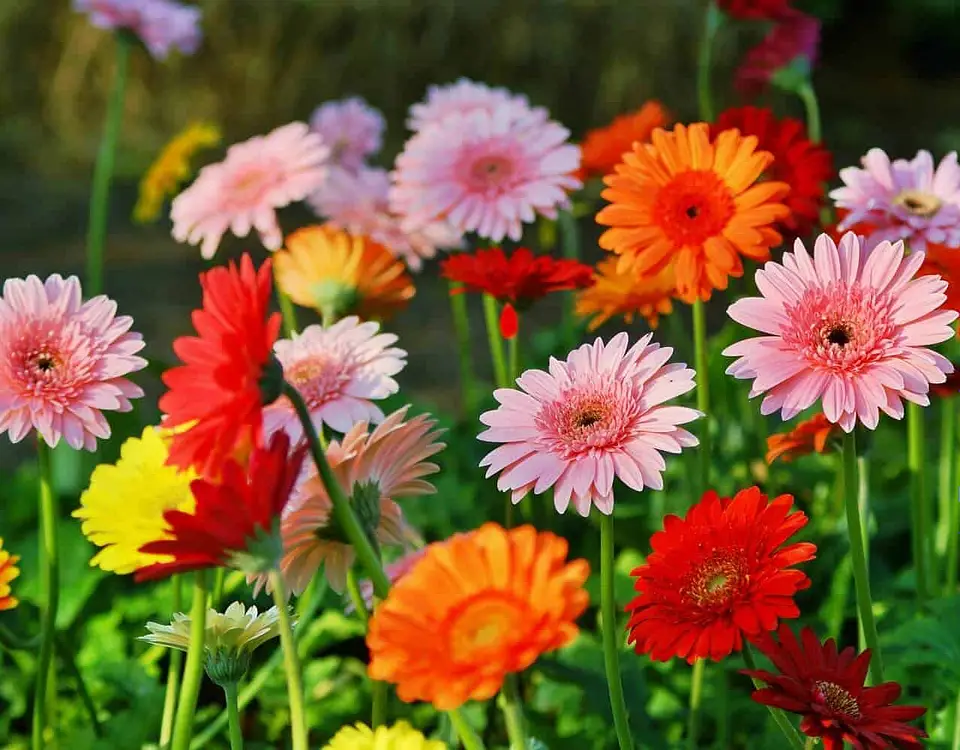
Gerbera daisies (Gerbera jamesonii) are stunning flowering plants that bring vibrant color to any Malaysian home or garden. Known for their large, cheerful blooms in shades ranging from pure white to deep red, these beautiful flowers are also recognized as one of NASA’s top air-purifying plants, making them both decorative and functional. This comprehensive guide will help you successfully grow and care for Gerbera daisies in Malaysia’s tropical climate.
About Gerbera Daisies
Classification: Flowering pot plant
Characteristics: Gerbera daisies are prized for their attractive, brightly colored flowers that bloom in a spectacular range of colors and shades. The large daisy-like flowers sit atop sturdy stems and make excellent cut flowers that can last up to two weeks in a vase.
Pet Safety: Yes, Gerbera daisies are non-toxic to cats and dogs, making them a safe choice for households with pets.
Popular Varieties
- Gerbera jamesonii (Barberton Daisy) – The classic species with large, vibrant blooms
- Gerbera jamesonii ‘Happipot’ – A compact variety ideal for container gardening
Essential Care Requirements for Malaysia’s Climate
Growing Gerbera daisies successfully in Malaysia’s tropical environment (24-32°C with high humidity) requires attention to specific care needs:
Temperature
Gerbera daisies thrive in average warmth, making them well-suited to Malaysia’s consistent tropical temperatures. They prefer temperatures between 18-24°C but adapt well to our warmer conditions with proper care. Avoid placing them in areas with extreme temperature fluctuations or cold air-conditioning drafts.
Light Requirements
Provide a brightly lit spot with some direct sunlight, preferably morning sun. In Malaysia’s intense tropical climate, protect plants from harsh afternoon sun which can scorch the leaves and fade flower colors. East-facing windows or partially shaded outdoor locations work best.
Watering
Keep the soil consistently moist but never waterlogged. Water when the top 2cm of soil feels dry to the touch. During Malaysia’s monsoon season, reduce watering frequency as the high humidity and rainfall can lead to overwatering issues. Always water at the base of the plant to avoid wetting the crown, which can cause rot.
Soil and Growing Medium
Use a well-draining, nutrient-rich growing medium. Excellent options include:
- Serbajadi Organic Peat Moss – Provides excellent drainage and aeration
- Serbajadi Multi-Purpose Compost – Rich in organic matter for healthy growth
Fertilizing
Gerbera daisies are heavy feeders and require regular fertilization for continuous blooming. Apply Serbajadi Plant Food Organic Plus 41 Flowering Fertilizer every 2 weeks during the active growing season. This specialized formula provides the balanced nutrition needed for vibrant, long-lasting blooms.
Common Problems and Solutions
Growth and Flowering Issues
Overly Long or Floppy Flower Stems: This indicates inadequate light or excessive nitrogen (particularly ammonium) fertilizer. Move the plant to a brighter location and switch to a balanced flowering fertilizer.
Overly Short Flower Stems: Caused by insufficient watering or excessive soluble salt buildup in the soil. Increase watering consistency and flush the soil periodically with plain water to remove salt accumulation.
Unexpectedly Large Foliage with Few Flowers: Insufficient light intensity causes the plant to produce leaves at the expense of flowers. Relocate to a brighter spot with more direct sunlight.
Stunted or Slow Growth: Poor soil drainage or aeration restricts root development. Repot using fresh, well-draining medium and ensure adequate drainage holes in the container.
Plant Wilting Despite Moist Soil: This serious symptom suggests root rot or pest attack. Check roots for brown, mushy tissue indicating rot, or inspect for pest damage. Address immediately by improving drainage and treating any pest infestations.
Pest Management
Spider Mites
These tiny pests appear as fine webbing on leaves and cause stippling damage. Spider mites particularly attack water-stressed plants, so maintaining consistent moisture is your first line of defense.
Treatment: Wipe affected leaves with a damp cloth or cotton bud to remove visible mites and webbing. Spray thoroughly with Extra Strength Neem Spray in the early morning or late evening to avoid leaf burn. Repeat weekly until infestation is controlled.
Thrips
These slender insects cause silvery streaking on leaves and can deform flowers.
Treatment: Spray affected plants with Extra Strength Neem Spray. Apply every 5-7 days until thrips are eliminated. Remove and dispose of heavily damaged leaves.
Pro Tips for Malaysian Gardeners
- Deadhead regularly: Remove spent flowers to encourage continuous blooming and prevent the plant from putting energy into seed production.
- Improve air circulation: In Malaysia’s humid climate, good airflow around plants helps prevent fungal diseases. Space plants adequately and avoid overcrowding.
- Monitor during monsoon season: Reduce watering frequency during heavy rainfall periods to prevent root rot. Consider moving potted plants under shelter during prolonged wet weather.
- Refresh soil annually: Replace the top 5cm of soil each year with fresh compost to replenish nutrients and improve drainage.
- Watch for crown rot: Never allow water to pool around the plant’s crown. Always water at the soil level, not from above.
Frequently Asked Questions
Why are my Gerbera daisy flower stems too long or floppy?
Overly long or weak flower stems are typically caused by inadequate light or excessive nitrogen (ammonium) fertilizer. Move your Gerbera to a brighter location with some direct sunlight, and switch to a balanced flowering fertilizer like Serbajadi Plant Food Organic Plus 41 which provides the right nutrient ratio for compact, sturdy growth.
What causes short flower stems on Gerbera daisies?
Short flower stems usually indicate insufficient watering or excessive salt buildup in the soil. Ensure consistent moisture levels and flush the soil occasionally with plain water to remove accumulated salts. If the problem persists, repot using fresh Serbajadi Multi-Purpose Compost.
How do I treat spider mites on Gerbera daisies?
Spider mites thrive on water-stressed plants. First, wipe affected leaves with a damp cloth to remove visible mites. Then spray with Extra Strength Neem Spray in the early morning or evening. Prevent future attacks by maintaining consistent soil moisture and increasing humidity around the plant.
Are Gerbera daisies safe for pets?
Yes, Gerbera daisies (Gerbera jamesonii) are considered non-toxic to cats and dogs, making them a safe choice for pet-friendly homes. However, it’s still best to prevent pets from chewing on any houseplants to avoid digestive upset.
Why is my Gerbera daisy wilting even though the soil is moist?
Wilting in moist soil typically indicates root rot caused by poor drainage or overwatering. Check the roots for brown, mushy tissue. If root rot is present, trim affected roots, repot in fresh well-draining soil like Serbajadi Organic Peat Moss, and reduce watering frequency. Ensure your pot has adequate drainage holes.
Conclusion
With their stunning blooms and air-purifying qualities, Gerbera daisies make excellent additions to Malaysian homes and gardens. By following these care guidelines tailored to our tropical climate—providing bright light, consistent moisture, proper drainage, and regular feeding—you’ll enjoy months of colorful flowers. Remember that prevention is key: maintain good growing conditions to avoid pest and disease problems, and your Gerbera daisies will reward you with their cheerful, vibrant display.
Ready to start growing? Visit Serbajadi’s online shop for all your Gerbera daisy care essentials, from premium growing media to specialized fertilizers and organic pest control solutions.