How to Grow Hibiscus in Malaysia: Complete Care Guide
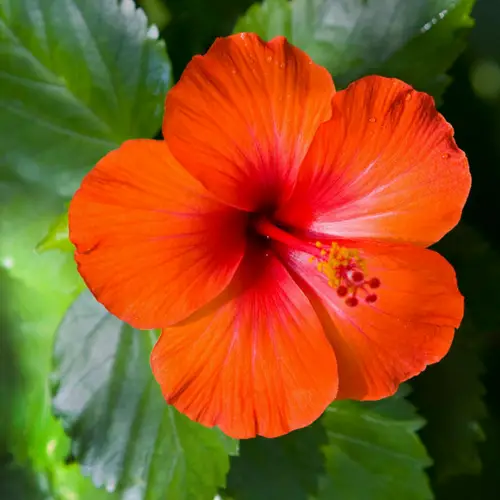
Hibiscus, known locally as bunga raya, is Malaysia’s national flower and a beloved tropical beauty that thrives in our warm, humid climate. With their large, papery blooms in vibrant colors, hibiscus plants add stunning visual appeal to Malaysian gardens and patios. This comprehensive guide will help you grow healthy, abundantly flowering hibiscus plants perfectly suited to Malaysia’s tropical conditions (24-32°C with high humidity).
Understanding Hibiscus Varieties
Several hibiscus varieties flourish in Malaysia’s tropical environment:
- Hibiscus rosa-sinensis (Rose of China) – The most common variety, featuring large single or double blooms in red, pink, orange, yellow, and white
- Hibiscus rosa-sinensis cooperi – Distinguished by its variegated foliage with pink, white, and green patterns
- Hibiscus schizopetalus – Known for its unique fringed, pendant flowers that resemble Japanese lanterns
Essential Hibiscus Care Requirements
Light Requirements
Hibiscus demands maximum sunlight to produce abundant blooms. Position your plant where it receives at least 6-8 hours of direct sunlight daily. In Malaysia’s bright tropical conditions, hibiscus thrives in full sun exposure. Insufficient light results in fewer flowers and leggy growth.
Temperature and Climate
Hibiscus is perfectly adapted to Malaysia’s year-round warmth. These tropical plants flourish in temperatures between 24-32°C with high humidity levels above 60%. Unlike temperate regions where hibiscus goes dormant, Malaysian gardeners enjoy continuous growth and flowering throughout the year.
Watering Guidelines
Consistent moisture is critical for hibiscus success. Keep the planting medium moist at all times, but never waterlogged. During Malaysia’s hot, dry spells, daily watering may be necessary. During monsoon season, reduce watering frequency and ensure excellent drainage to prevent root rot. Check soil moisture by inserting your finger 2-3 cm deep—if it feels dry, it’s time to water.
Soil and Potting Medium
Hibiscus requires well-draining, nutrient-rich soil. Use a quality potting mix like Serbajadi Multi-Purpose Compost, which provides excellent moisture retention while preventing waterlogging—essential for Malaysia’s heavy monsoon rains. For improved drainage, you can mix in Perlite.
Repotting Schedule
Repot your hibiscus annually to refresh nutrients and prevent soil compaction. The best time is at the beginning of the growing season. Choose a pot one size larger than the current container and use fresh Serbajadi Multi-Purpose Compost or Potting Soil for optimal results.
Fertilizing for Maximum Blooms
Hibiscus are heavy feeders that require regular fertilization, especially in Malaysia’s climate where nutrients wash away during heavy rains. Apply Flowering Inducer 47 every 2-3 weeks during the growing season to promote abundant flowering. This potassium-rich formula supports bud development and vibrant bloom colors.
For an extra flowering boost before special occasions, use Foliar Flowering Inducer 67 as a quick-acting spray fertilizer.
Common Hibiscus Problems and Solutions
Bud Drop
Symptoms: Flower buds fall off before opening
Causes: Underwatering, nutrient deficiency (especially potassium), or sudden temperature fluctuations
Solution: Maintain consistent soil moisture, apply Flowering Inducer 47 regularly, and protect plants from sudden environmental changes
Leaf Loss
Symptoms: Excessive leaf drop, thinning foliage
Causes: Inconsistent watering—either too much or too little
Solution: Establish a consistent watering routine based on weather conditions. During Malaysia’s dry spells, increase watering frequency; during monsoons, ensure proper drainage
Leaf Curling
Symptoms: Leaves curl inward or appear distorted
Causes: Low humidity (rare in Malaysia but can occur in air-conditioned indoor environments)
Solution: Increase humidity by misting leaves regularly or placing the pot on a pebble tray filled with water. For outdoor plants in Malaysia’s naturally humid climate, this is rarely an issue
Pest Management for Hibiscus
Spider Mites
These tiny pests thrive on water-stressed plants, causing stippled, yellowing leaves and fine webbing.
Prevention: Maintain consistent watering to keep plants healthy and resistant to attack
Treatment: Wipe affected leaves with a damp cloth or cotton bud, then spray with Extra Strength Neem Spray. Apply in early morning or late evening to avoid leaf burn in Malaysia’s intense sun
Aphids
Small, soft-bodied insects that cluster on new growth, causing distorted leaves and sticky honeydew secretions.
Treatment: Spray the plant with high-pressure water to dislodge aphids, then follow up with Extra Strength Neem Spray. Repeat treatment every 7-10 days if needed. For detailed aphid control strategies, read our comprehensive aphid guide
Mealybugs
White, cottony pests that hide in leaf axils and stem joints.
Treatment: Remove visible mealybugs with a cotton swab dipped in rubbing alcohol, then spray the entire plant with GarNeem Spray for organic pest control
Pet Safety Warning
Important: Hibiscus (Hibiscus rosa-sinensis) is toxic to both dogs and cats. Ingestion can cause nausea, vomiting, diarrhea, and loss of appetite in pets. If you have pets, keep hibiscus plants out of their reach or consider pet-safe flowering alternatives like orchids or African violets.
Tips for Malaysian Gardeners
- Monsoon preparation: Ensure pots have adequate drainage holes to prevent waterlogging during heavy rains. Consider moving potted hibiscus to sheltered areas during severe storms
- Heat stress management: During particularly hot, dry periods, provide afternoon shade or increase watering frequency to prevent wilting
- Nutrient replenishment: Malaysia’s heavy rains leach nutrients from soil quickly. Use Controlled Release Fertiliser for steady, long-term nutrition that won’t wash away
- Pruning: Trim leggy growth and spent flowers regularly to encourage bushier plants and more blooms. Prune after flowering peaks to maintain shape
Frequently Asked Questions
Is hibiscus safe for pets?
No, hibiscus (Hibiscus rosa-sinensis) is toxic to both dogs and cats. Ingestion can cause nausea, vomiting, and diarrhea in pets. Keep hibiscus plants out of reach of pets and consider pet-safe alternatives if you have curious animals at home.
Why are my hibiscus buds dropping before opening?
Bud drop in hibiscus is commonly caused by underwatering, nutrient deficiency (especially potassium), or sudden temperature changes. In Malaysia’s climate, ensure consistent watering during hot spells and apply a flowering fertilizer like Flowering Inducer 47 every 2-3 weeks to support bud development.
How often should I water hibiscus in Malaysia?
In Malaysia’s tropical climate (24-32°C with high humidity), hibiscus typically needs watering daily during dry periods. Keep the soil consistently moist but not waterlogged. During monsoon season, reduce watering frequency and ensure good drainage to prevent root rot.
What’s the best fertilizer for hibiscus flowering?
For maximum flowering, use a potassium-rich fertilizer like Flowering Inducer 47. Apply every 2-3 weeks during the growing season. Hibiscus are heavy feeders and benefit from regular fertilization, especially in Malaysia’s year-round growing conditions where nutrients can be washed away by heavy rains.
How do I control aphids on my hibiscus?
For aphid control, first spray the plant with high-pressure water to dislodge the pests, then follow up with an organic treatment like Extra Strength Neem Spray. Apply in the early morning or late evening to avoid leaf burn in Malaysia’s intense tropical sun. Repeat treatment every 7-10 days if needed.
Can hibiscus grow indoors in Malaysia?
While hibiscus can survive indoors, they perform best outdoors with maximum sunlight. If growing indoors, place near a south-facing window with at least 6 hours of direct light. Indoor hibiscus may produce fewer flowers due to reduced light intensity. Ensure good air circulation to prevent pest problems in air-conditioned environments.
Conclusion
Growing hibiscus in Malaysia’s tropical climate is rewarding and relatively straightforward when you provide the right care. With maximum sunlight, consistent moisture, regular fertilization, and prompt pest management, your hibiscus will reward you with spectacular blooms year-round. Whether you’re growing the classic bunga raya or experimenting with variegated varieties, these stunning tropical plants are perfect additions to Malaysian gardens and patios.
Ready to start your hibiscus journey? Explore our complete range of flowering plant care products specially formulated for Malaysia’s tropical climate.