How to Grow Hedera Ivy in Malaysia: Complete Care Guide
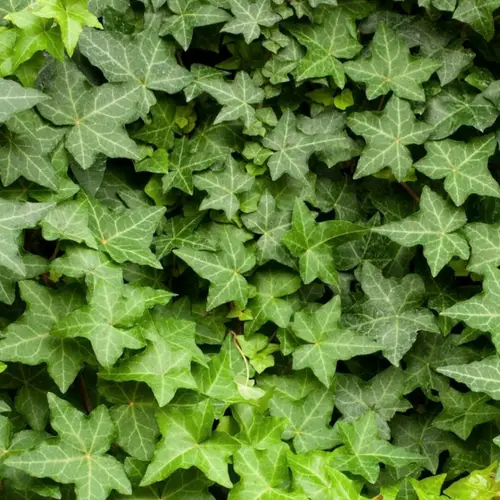
Hedera ivy, commonly known as English ivy, is a versatile climbing and trailing plant that brings elegant greenery to Malaysian homes. Recognized by NASA as one of the top air-filtering plants, Hedera effectively removes indoor air pollutants while adding a touch of natural beauty to your space. While ivy plants prefer cooler climates, with proper care they can thrive in Malaysia’s tropical conditions (24-32°C with 70-90% humidity).
About Hedera Ivy
Classification: Foliage houseplant
Plant Group: Climbers and trailing plants
Character: Decorative indoor plant with air-purifying properties
Pet Safety: Toxic to cats and dogs – keep out of reach of pets
Popular Hedera Varieties for Malaysian Homes
Hedera canariensis (Canary Island Ivy)
- Hedera canariensis ‘Gloire de Marengo’ – Features large, variegated leaves with cream and grey-green patterns. More heat-tolerant than English ivy varieties.
Hedera helix (English Ivy) Cultivars
- Hedera helix ‘Annette’ – Compact growth with small, dark green leaves
- Hedera helix ‘Chicago’ – Hardy variety with medium-sized leaves, adapts well to indoor conditions
- Hedera helix ‘Cristata’ (Parsley Ivy) – Distinctive ruffled leaf edges
- Hedera helix ‘Eva’ – Cream and green variegated leaves, excellent for hanging baskets
- Hedera helix ‘Glacier’ – Silver-grey and white variegation, heat-tolerant
- Hedera helix ‘Green Ripple’ – Deeply lobed leaves with prominent veins
- Hedera helix ‘Ivalace’ (Lacyleaf Ivy) – Glossy, curled leaves
- Hedera helix ‘Jubilee’ (Goldheart Ivy) – Green leaves with bright yellow centers
- Hedera helix ‘Harald’ – Small-leaved variety, ideal for topiary
- Hedera helix ‘Lutzii’ – Mottled green and yellow foliage
- Hedera helix ‘Marmorata’ – Marbled cream and green leaves
- Hedera helix ‘Mona Lisa’ – Compact with small, pointed leaves
- Hedera helix ‘Sagittaefolia’ (Needlepoint Ivy) – Arrow-shaped leaves
- Hedera helix ‘Scutifolia’ – Heart-shaped leaves
Essential Care Guide for Tropical Conditions
Temperature Requirements
Hedera ivy prefers cooler temperatures (18-24°C) but can adapt to Malaysia’s warmer climate with proper care. Keep plants in air-conditioned rooms or the coolest areas of your home. Avoid placing near heat sources or in direct afternoon sun, which can stress the plant in our tropical heat.
Light Requirements
Provide bright, indirect light for optimal growth. In Malaysia, east-facing windows work well, offering gentle morning sun without intense afternoon heat. Variegated varieties need more light to maintain their patterns, but all ivy types should be protected from direct midday sun which can scorch leaves. If leaves lose their variegation and turn completely green, increase light exposure or consider repotting.
Watering in High Humidity
Keep the growing medium consistently moist but never waterlogged. In Malaysia’s humid climate (70-90% humidity), check soil moisture before watering – the top 2-3cm should feel slightly dry. During monsoon season, reduce watering frequency as ambient humidity is higher. Overwatering in tropical conditions quickly leads to root rot, especially if drainage is poor.
Potting and Repotting
Repot your Hedera ivy every 2 years to refresh the growing medium and provide fresh nutrients. Use well-draining potting mix such as:
- Serbajadi Organic Peat Moss – Excellent moisture retention with good drainage
- Serbajadi Multi-Purpose Compost – Nutrient-rich blend ideal for foliage plants
Always choose pots with drainage holes to prevent water accumulation in our tropical climate.
Fertilizing Schedule
Feed your ivy regularly during the growing season with Serbajadi Plant Food Organic Plus 23 Growing Fertilisers (750gm). This balanced fertilizer promotes lush, healthy foliage growth. Apply every 2-3 weeks during active growth periods, reducing frequency during slower growth in extremely hot months.
Common Problems and Solutions
Leaf Edges Brown and Dry with Spindly Growth
Causes: Spider mite infestation or temperature too warm
Solution: Check undersides of leaves for fine webbing or tiny mites. Wipe leaves with a damp cloth and spray with Serbajadi Neem Spray Extra Strength. Move plant to a cooler location with better air circulation. Spider mites thrive in hot, dry conditions, so maintaining consistent moisture helps prevent attacks.
Leaves Turning Completely Green (Loss of Variegation)
Causes: Insufficient light or plant needs repotting
Solution: Move to a brighter location with more indirect light. If the plant hasn’t been repotted in over 2 years, refresh the growing medium with Serbajadi Multi-Purpose Compost.
Undersized Leaves with Bare, Spindly Growth
Causes: Inadequate light or natural aging of mature plant
Solution: Increase light exposure. For older plants, prune back leggy stems to encourage bushier growth. Fertilize with Serbajadi Plant Food Organic Plus 23 to support new growth.
Brown, Dry Leaf Tips with Stunted Growth
Causes: Spider mites or low humidity (though less common in Malaysia)
Solution: Inspect for pests and treat with neem spray if found. In air-conditioned rooms where humidity drops, occasionally mist leaves or place on a pebble tray with water.
Pest Management in Tropical Climate
Spider Mites
The most common pest affecting Hedera ivy, especially during hot, dry periods or in air-conditioned spaces. These tiny arachnids cause stippling on leaves, webbing, and eventual leaf drop.
Prevention:
- Maintain consistent soil moisture – water-stressed plants are more susceptible
- Regularly wipe leaves with a damp cloth to remove dust and check for pests
- Ensure good air circulation around plants
- Avoid placing plants in excessively hot, dry locations
Treatment:
- Isolate affected plants immediately
- Wipe all leaves (top and bottom) with a damp cloth or cotton bud
- Spray thoroughly with Serbajadi Neem Spray Extra Strength
- Repeat treatment every 5-7 days for 3 weeks to break the pest lifecycle
- Improve watering consistency to strengthen plant resistance
Air Purification Benefits
Hedera ivy earned its place on NASA’s list of air-filtering plants for good reason. Research shows that ivy effectively removes:
- Formaldehyde (from furniture and building materials)
- Benzene (from paints and plastics)
- Trichloroethylene (from cleaning products)
- Xylene and toluene (from adhesives and solvents)
Place ivy plants in bedrooms, living rooms, or home offices to improve indoor air quality naturally. For maximum benefit, NASA recommends one plant per 100 square feet of space.
Propagation Tips
Hedera ivy propagates easily from stem cuttings, making it simple to expand your collection or share with friends:
- Take 10-15cm cuttings from healthy stems with at least 3-4 leaves
- Remove lower leaves, leaving 2-3 at the top
- Place cuttings in water or directly into moist Serbajadi Multi-Purpose Compost
- Keep in bright, indirect light with consistent moisture
- Roots develop within 2-3 weeks in Malaysia’s warm conditions
- Once roots are 3-5cm long, transplant to individual pots
Styling Ideas for Malaysian Homes
- Hanging Baskets: Let trailing varieties cascade from elevated positions in air-conditioned rooms
- Vertical Gardens: Train ivy up moss poles or trellises for living green walls
- Shelf Displays: Allow vines to drape naturally from bookshelves or plant stands
- Bathroom Greenery: Utilize natural humidity in well-lit bathrooms (with windows)
- Office Spaces: Improve air quality in home offices while adding visual interest
Frequently Asked Questions
Is Hedera ivy safe for pets?
No, Hedera ivy is toxic to pets. All parts of the plant contain compounds that can cause vomiting, diarrhea, and other symptoms if ingested by cats or dogs. Keep ivy plants out of reach of pets and children.
Why are my ivy leaves turning yellow in Malaysia?
Yellow leaves on ivy in Malaysia typically indicate overwatering or poor drainage, especially during monsoon season. Ensure your pot has drainage holes and reduce watering frequency. Yellow leaves can also signal it’s time to repot with fresh Serbajadi Multi-Purpose Compost.
How often should I water Hedera ivy in tropical climate?
In Malaysia’s humid climate (70-90% humidity), water when the top 2-3cm of soil feels slightly dry. This is typically every 3-5 days, but check soil moisture rather than following a strict schedule. During monsoon season, reduce watering frequency as humidity is higher.
Can Hedera ivy survive in Malaysian heat?
Yes, but Hedera ivy prefers cooler conditions (18-24°C) than Malaysia’s typical 24-32°C. Keep plants in air-conditioned rooms or the coolest part of your home with good air circulation. Avoid direct afternoon sun and maintain consistent moisture to help plants cope with heat stress.
What are the best Hedera varieties for Malaysia?
Hardy varieties like Hedera helix ‘Chicago’, ‘Eva’, and ‘Glacier’ adapt better to tropical conditions. These cultivars show better heat tolerance and maintain their variegation in Malaysia’s climate. Hedera canariensis (Canary Island Ivy) also performs well in warmer conditions.
Final Tips for Success
Growing Hedera ivy successfully in Malaysia requires adapting care to our tropical climate. Focus on:
- Providing the coolest possible location with bright, indirect light
- Monitoring soil moisture carefully to prevent overwatering in high humidity
- Using well-draining potting mix and containers with drainage holes
- Regular pest monitoring and prevention through consistent watering
- Fertilizing appropriately to support healthy growth
With proper care, your Hedera ivy will reward you with lush, cascading foliage while purifying the air in your home. Whether displayed as a hanging plant, trained up a support, or allowed to trail naturally, ivy brings timeless elegance to any Malaysian indoor space.
Need help with your ivy plants? Visit Serbajadi.com.my for more tropical plant care guides and quality gardening products designed for Malaysian conditions.