How to Grow Gloxinia in Malaysia: Complete Care Guide
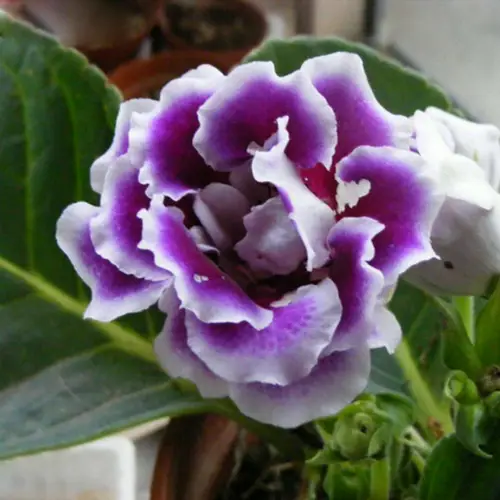
Gloxinia (Sinningia speciosa) is a stunning flowering houseplant prized for its large, velvety, trumpet-shaped blooms in vibrant shades of purple, pink, red, and white. Native to Brazilian rainforests, this tropical beauty adapts remarkably well to Malaysia’s warm, humid climate (24-32°C), making it an excellent choice for indoor gardening enthusiasts seeking dramatic floral displays.
With proper care, Gloxinia produces spectacular blooms that can last for weeks, transforming any indoor space into a tropical paradise. This comprehensive guide covers everything Malaysian gardeners need to know about growing healthy, flowering Gloxinias.
Understanding Gloxinia: Plant Classification
Botanical Name: Sinningia speciosa
Common Name: Gloxinia, Florist’s Gloxinia
Plant Type: Tuberous perennial flowering houseplant
Characteristics: Velvety, bell-shaped flowers in various colors; large, fuzzy leaves; compact growth habit
Pet Safety: TOXIC to cats and dogs – Keep out of reach of pets and children
Popular Gloxinia Varieties
- Sinningia speciosa (Standard Gloxinia) – Classic large blooms
- Sinningia speciosa ‘Brocade’ – Ruffled, multi-colored petals
- Sinningia speciosa ‘Champers’ – Champagne-pink flowers
- Sinningia speciosa ‘Duchess of York’ – Deep red blooms
- Sinningia speciosa ‘Emperor Frederick’ – Red with white edges
- Sinningia speciosa ‘Gregor Mendel’ – Purple with white throat
- Sinningia speciosa ‘Mont Blanc’ – Pure white flowers
Essential Gloxinia Care Requirements for Malaysia
Light Requirements
Gloxinias thrive in bright, indirect light. In Malaysian homes, place them near east or north-facing windows where they receive gentle morning sun or filtered light throughout the day. Avoid direct afternoon sunlight, which can scorch the delicate, velvety leaves and fade flower colors.
Signs of incorrect lighting:
- Pale, elongated leaves with brown edges = insufficient light
- Scorched, brown patches on leaves = too much direct sun
Temperature & Humidity
Gloxinias prefer temperatures between 18-24°C, which can be challenging in Malaysia’s warmer climate. They perform best in air-conditioned rooms but should be protected from cold drafts that can cause bud drop.
Malaysia’s natural humidity (60-80%) is ideal for Gloxinias. However, in air-conditioned spaces, consider these humidity-boosting methods:
- Place pots on pebble trays filled with water
- Group plants together to create a microclimate
- Use a room humidifier during dry periods
Watering Guidelines
Proper watering is crucial for Gloxinia success. Keep the growing medium consistently moist but never waterlogged during the active growing season.
Watering best practices:
- Water when the top 2cm of soil feels dry to touch
- Use room-temperature water to avoid shocking the roots
- Water at the base of the plant – avoid wetting leaves and flowers
- Ensure excess water drains freely from the pot
- Reduce watering frequency when plant enters dormancy
Soil & Potting Mix
Gloxinias require well-draining, organic-rich growing medium that retains moisture without becoming soggy. The ideal mix should be light, airy, and slightly acidic (pH 5.5-6.5).
Recommended potting mixes:
- Serbajadi Organic Peat Moss – Excellent moisture retention with good drainage
- Serbajadi Multi-Purpose Compost – Nutrient-rich organic option
Fertilizing Schedule
Feed Gloxinias regularly during the growing and flowering season to support lush foliage and abundant blooms.
Fertilizer recommendations:
- Apply Serbajadi Plant Food Flowering Supreme 31 Liquid Fertiliser every 2 weeks during active growth
- Dilute to half strength to prevent fertilizer burn on sensitive roots
- Stop fertilizing when plant enters dormancy
- Resume feeding when new growth emerges after dormancy
Repotting
Repot Gloxinias annually after the dormancy period, typically when new growth begins to emerge. Choose a pot only slightly larger than the tuber (2-3cm wider) to prevent overwatering issues.
Repotting steps:
- Gently remove the tuber from old soil
- Inspect for rot or damage; trim if necessary
- Fill new pot with fresh potting mix
- Plant tuber with the hollow side facing up, barely covered with soil
- Water lightly and place in bright, indirect light
Understanding Gloxinia’s Dormancy Period
After flowering (typically 3-4 months of blooms), Gloxinias naturally enter a dormancy period lasting 2-4 months. This is a normal part of their growth cycle, not a sign of poor care.
Dormancy care:
- Leaves will yellow and die back naturally
- Gradually reduce watering as foliage fades
- Stop fertilizing completely
- Store pot in a cool (15-18°C), dry location
- Check tuber monthly; water sparingly if it shrivels
- Resume normal care when new shoots appear
Common Gloxinia Problems & Solutions
Leaf & Growth Issues
Curled leaves with brown tips:
Cause: Underwatering
Solution: Increase watering frequency. Check soil moisture daily and water when top 2cm feels dry. In air-conditioned rooms, plants may need more frequent watering.
Plant collapse, soft and rotten tuber:
Cause: Overwatering and/or waterlogged soil
Solution: Reduce watering immediately. Ensure pot has drainage holes. If tuber is mushy, the plant cannot be saved. Prevent by allowing soil to dry slightly between waterings.
Pale, elongated leaves with brown edges:
Cause: Insufficient light
Solution: Move plant to a brighter location with indirect light. Avoid sudden exposure to direct sun.
Flowering Problems
Flower buds fail to open:
Cause: Underwatering, cold drafts, or low humidity
Solution: Maintain consistent soil moisture. Protect from air conditioning vents. Increase humidity around the plant.
No flowers produced:
Cause: Insufficient light, lack of nutrients, or plant too young
Solution: Ensure bright indirect light. Fertilize regularly with flowering formula. Young plants may take 6-8 months to mature before flowering.
Pest Management for Gloxinia
Spider Mites
Identification: Fine webbing on leaves, tiny moving dots, yellowing foliage
Treatment: Wipe leaves with damp cloth. Spray with Serbajadi Neem Spray Extra Strength. Spider mites attack water-stressed plants, so maintain consistent watering to prevent infestations.
Whiteflies
Identification: Small white flying insects on undersides of leaves
Treatment: Spray thoroughly with Serbajadi Neem Spray Extra Strength. Repeat application every 7 days until infestation clears.
Mealybugs
Identification: White, cottony masses in leaf axils and on stems
Treatment: Remove visible bugs with cotton bud dipped in rubbing alcohol. Spray entire plant with Serbajadi Neem Spray Extra Strength. Monitor closely for 2-3 weeks.
Propagating Gloxinia
Gloxinias can be propagated through leaf cuttings or by dividing tubers.
Leaf cutting method:
- Select a healthy, mature leaf with stem
- Cut leaf and 5cm of stem at an angle
- Dip cut end in Rooting Powder
- Insert stem into moist potting mix
- Cover with clear plastic to maintain humidity
- Place in bright, indirect light at 21-24°C
- New tubers form in 4-6 weeks
Frequently Asked Questions
Is Gloxinia safe for pets?
No, Gloxinia (Sinningia speciosa) is toxic to cats and dogs. The plant contains compounds that can cause vomiting, diarrhea, and excessive drooling if ingested. Keep Gloxinia out of reach of pets and children. If you suspect your pet has consumed any part of the plant, contact your veterinarian immediately.
Why are my Gloxinia leaves curling with brown tips?
Curled leaves with brown tips indicate underwatering. Gloxinias need consistently moist soil during their growing season. Check the soil daily and water when the top 2cm feels dry. In Malaysia’s air-conditioned rooms, plants may dry out faster than expected. Increase watering frequency while ensuring the pot drains well to prevent root rot.
How often should I fertilize Gloxinia?
Fertilize Gloxinia every 2 weeks during the active growing and flowering period using a diluted liquid fertilizer. Use Serbajadi Plant Food Flowering Supreme 31 at half strength to promote abundant blooms without burning sensitive roots. Stop fertilizing when the plant enters dormancy after flowering, and resume when new growth emerges.
Why won’t my Gloxinia flower?
Gloxinia may fail to flower due to insufficient light, underwatering, cold drafts from air conditioning, or lack of nutrients. Ensure the plant receives bright indirect light for at least 12-14 hours daily, consistent moisture (never allowing soil to dry completely), temperatures between 18-24°C away from AC vents, and regular fertilization with a flowering formula every 2 weeks. Young plants may also take 6-8 months to mature before producing their first blooms.
Do Gloxinias go dormant in Malaysia?
Yes, Gloxinias naturally enter a dormancy period after flowering, typically lasting 2-4 months. The leaves will yellow and die back – this is normal, not a sign of plant death. Reduce watering gradually as foliage fades, stop fertilizing, and store the tuber in its pot in a cool, dry location (ideally 15-18°C). Check monthly and water sparingly only if the tuber shrivels. Resume normal care when new growth appears, usually after 2-4 months of rest.
Final Tips for Growing Gloxinia in Malaysia
- Choose air-conditioned rooms for best temperature control
- Rotate plant weekly for even growth and flowering
- Remove spent flowers to encourage more blooms
- Avoid misting leaves directly – water droplets can cause spotting
- Be patient with dormancy – it’s essential for the plant’s health
- Start with mature plants for easier success
- Keep away from pets and children due to toxicity
With proper care tailored to Malaysia’s tropical climate, Gloxinias reward gardeners with months of spectacular blooms. Their dramatic flowers and compact size make them perfect for brightening indoor spaces, from apartment balconies to office desks. Visit Serbajadi’s online shop for all your Gloxinia care essentials, from premium potting mixes to specialized fertilizers designed for Malaysia’s unique growing conditions.