How to Grow Fuchsia in Malaysia: Complete Care Guide
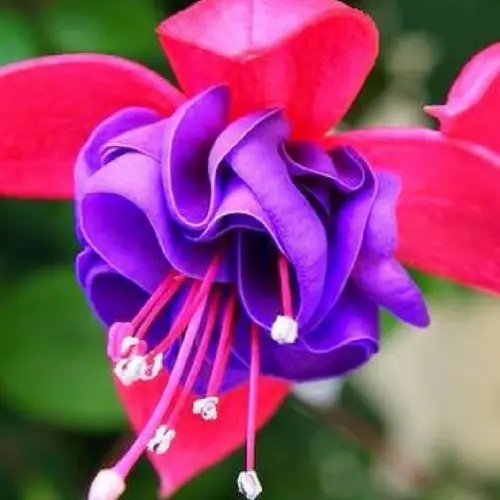
Fuchsia plants are beloved for their stunning, pendulous bell-shaped flowers that dangle gracefully from arching stems. While these ornamental beauties are traditionally associated with cooler climates, Malaysian gardeners can successfully grow fuchsias with proper care and attention to their specific needs in our tropical environment.
Understanding Fuchsia Plants
Classification: Flowering ornamental plant
Growth Habit: Available in bush, trailing, and standard (tree) forms depending on variety
Characteristics: Distinctive bell-shaped flowers in vibrant colours including pink, purple, red, white, and bi-colours. Flowers hang elegantly from stems, creating a cascading display perfect for hanging baskets and containers.
Pet Safety Warning: Fuchsia plants are toxic to cats and dogs. All parts of the plant, especially the berries, can cause vomiting, diarrhea, and gastrointestinal distress if ingested. Keep fuchsias out of reach of pets.
Popular Fuchsia Varieties
Trailing Varieties (Perfect for Hanging Baskets)
- Fuchsia ‘Golden Marinka’ – Golden-green foliage with red flowers
- Fuchsia ‘Marinka’ – Classic red blooms, vigorous trailer
- Fuchsia ‘Pink Galore’ – Abundant pink double flowers
- Fuchsia ‘Red Ribbons’ – Long, elegant red blooms
Single Hybrids (Simple, Elegant Blooms)
- Fuchsia ‘Aintree’ – White and pink single flowers
- Fuchsia ‘Bon Accord’ – Compact with small flowers
- Fuchsia ‘Brutus’ – Deep red and purple blooms
- Fuchsia ‘Checkerboard’ – Red and white contrast
- Fuchsia ‘Winston Churchill’ – Pink and purple combination
Semi-Double Hybrids (Fuller Blooms)
- Fuchsia ‘Satellite’ – Red and white semi-double
- Fuchsia ‘Snowcap’ – Red sepals with white petals
- Fuchsia ‘Tennessee Waltz’ – Rose-pink and lilac
- Fuchsia ‘Texas Longhorn’ – Large red and white flowers
- Fuchsia ‘Whirlaway’ – White and red bi-colour
Double Hybrids (Lush, Full Flowers)
- Fuchsia ‘Alice Hoffman’ – Compact with rose-pink blooms
- Fuchsia ‘Brigadoon’ – Pink and purple double
- Fuchsia ‘Fascination’ – Red and pink combination
- Fuchsia ‘Midge’ – Small double flowers
- Fuchsia ‘Swingtime’ – Red and white, very popular
Clustered Hybrids (Triphylla Types)
- Fuchsia ‘Gartenmeister Bonstedt’ – Orange-red clusters
- Fuchsia ‘Leverkusen’ – Salmon-pink clusters
- Fuchsia ‘Swanley Yellow’ – Orange-yellow blooms
- Fuchsia ‘Thalia’ – Orange-red, heat tolerant
- Fuchsia ‘Traudchen Bonstedt’ – Salmon-orange flowers
Growing Fuchsia in Malaysia’s Tropical Climate
Fuchsias originate from cool, mountainous regions and can be challenging in Malaysia’s hot, humid lowlands (24-32°C). However, success is possible with careful attention to their needs:
Temperature Requirements
Fuchsias prefer cool to moderate temperatures (15-24°C). In Malaysia, they perform best in:
- Highland areas (Cameron Highlands, Genting Highlands, Fraser’s Hill)
- Air-conditioned indoor environments
- Shaded outdoor areas with good air circulation
- Locations that receive cool morning breezes
Light Requirements
Provide bright, indirect light. Fuchsias need good light to flower but cannot tolerate Malaysia’s intense direct sunlight, which will scorch leaves and cause bud drop. Ideal locations include:
- Shaded patios or verandas
- Under tree canopies with dappled light
- East-facing locations with gentle morning sun only
- Bright indoor spots away from windows
Watering Guidelines
Consistent moisture is critical for fuchsias. In Malaysia’s climate:
- Keep the growing medium consistently moist but never waterlogged
- Check soil daily during hot, dry periods
- Water when the top 2-3cm of soil feels dry
- Ensure excellent drainage to prevent root rot in humid conditions
- Reduce watering slightly during monsoon season
- Mist foliage in the morning to increase humidity without overwatering roots
Soil and Repotting
Fuchsias need well-draining, nutrient-rich growing medium. Repot annually, preferably at the start of the growing season:
- Use Serbajadi Organic Peat Moss for excellent moisture retention and acidity
- Alternatively, use Serbajadi Multi-Purpose Compost for balanced nutrition
- Choose pots with multiple drainage holes
- Add perlite or coarse sand to improve drainage in humid conditions
Fertilizing for Abundant Blooms
Fuchsias are heavy feeders during their growing and flowering season. For best results:
- Apply Serbajadi Plant Food Organic Plus 41 Flowering Fertiliser every 2 weeks
- This balanced organic formula promotes continuous blooming
- Reduce feeding during extremely hot periods when growth slows
- Always water before fertilizing to prevent root burn
- For quick flowering boost, supplement with Flowering Inducer 47
Common Problems and Solutions
Leaf Loss
Causes: Underwatering, insufficient light, or heat stress
Solutions:
- Increase watering frequency while ensuring good drainage
- Move to a brighter location with indirect light
- Relocate to a cooler spot with better air circulation
- Mist foliage regularly to increase humidity
Flower Bud Drop
Causes: Inconsistent watering, insufficient light, excessive heat, or plant movement
Solutions:
- Maintain consistent soil moisture
- Ensure adequate bright, indirect light
- Keep plant in a cooler location
- Avoid moving the plant once buds form
- Increase humidity around the plant
Poor Flowering
Causes: Insufficient fertilizer, underwatering, or inadequate light
Solutions:
- Apply Serbajadi Plant Food Organic Plus 41 regularly
- Ensure consistent watering schedule
- Provide more bright, indirect light
- Pinch growing tips to encourage bushier growth and more flowers
Brown Spots with Yellow Margins on Leaves
Cause: Overwatering and poor drainage
Solutions:
- Reduce watering frequency
- Improve pot drainage
- Repot in fresh, well-draining medium
- Remove affected leaves
Pest Management
Spider Mites
These tiny pests thrive in hot, dry conditions and cause stippled, yellowing leaves with fine webbing.
Treatment:
- Wipe leaves with a damp cloth or cotton bud
- Spray thoroughly with Serbajadi Extra Strength Neem Spray
- Increase humidity around plants
- Maintain consistent watering to prevent water stress
- Repeat treatment every 7 days until eliminated
Whiteflies
Small white flying insects that cluster under leaves and weaken plants.
Treatment:
- Spray affected plants with Serbajadi Extra Strength Neem Spray
- Apply in early morning or late evening
- Ensure spray reaches undersides of leaves
- Repeat weekly for 3-4 weeks
- Improve air circulation around plants
Tips for Success in Malaysia
- Choose heat-tolerant varieties: Triphylla types like ‘Thalia’ and ‘Gartenmeister Bonstedt’ handle tropical heat better than standard hybrids
- Provide afternoon shade: Protect from intense midday and afternoon sun
- Maintain high humidity: Group plants together or use humidity trays
- Ensure good air circulation: Prevents fungal issues in humid conditions
- Pinch regularly: Promotes bushier growth and more flowering points
- Remove spent flowers: Encourages continuous blooming
- Consider highland cultivation: Fuchsias thrive in Cameron Highlands and similar cool areas
Frequently Asked Questions
Can fuchsia grow well in Malaysia’s tropical climate?
Fuchsia can be challenging in Malaysia’s hot tropical climate (24-32°C). They prefer cooler temperatures and may struggle during hot, humid periods. Choose a cool, shaded location with good air circulation. Highland areas like Cameron Highlands or Genting are more suitable for fuchsias than lowland regions.
Why are my fuchsia flower buds dropping?
Bud drop in fuchsia is usually caused by inconsistent watering (either too much or too little), insufficient light, or excessive heat. In Malaysia’s climate, ensure the plant stays cool, receives bright indirect light, and maintains consistent soil moisture. Avoid moving the plant once buds form.
How often should I fertilize fuchsia plants?
Fertilize fuchsia every 2 weeks during the growing and flowering season using a balanced flowering fertilizer like Serbajadi Plant Food Organic Plus 41. Reduce feeding during hot periods when growth slows. Always water before fertilizing to prevent root burn.
Are fuchsia plants safe for pets?
No, fuchsia plants are toxic to cats and dogs. The berries and other plant parts can cause vomiting, diarrhea, and other digestive issues if ingested. Keep fuchsia plants out of reach of pets, or choose pet-safe alternatives like spider plants or Boston ferns.
What pests commonly affect fuchsia in Malaysia?
Spider mites and whiteflies are the most common pests on fuchsia in Malaysia’s humid climate. Spider mites cause stippled, yellowing leaves, while whiteflies cluster under leaves. Treat both with Serbajadi Extra Strength Neem Spray. Maintain good air circulation and avoid water stress to prevent infestations.
For more plant care guides and quality gardening products optimized for Malaysia’s tropical climate, visit Serbajadi’s online shop.