How to Grow Fittonia (Nerve Plant) in Malaysia’s Tropical Climate
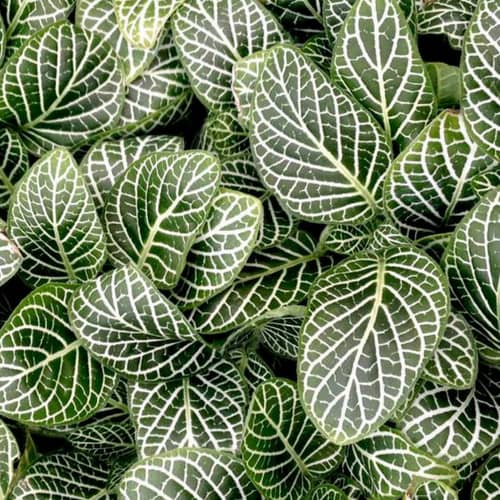
Fittonia, commonly known as the nerve plant or mosaic plant, is a stunning foliage houseplant prized for its intricately veined leaves. Native to the tropical rainforests of South America, Fittonia thrives in Malaysia’s warm, humid climate (24-32°C with 70-90% humidity), making it an excellent choice for indoor gardening enthusiasts. This comprehensive guide will help you successfully grow and care for these beautiful trailing plants in your Malaysian home.
About Fittonia (Nerve Plant)
Classification: Foliage houseplant
Growth Habit: Low-growing creeper and trailing plant
Plant Group: Climbers and trailers
Pet Safety: Toxic to cats and dogs – Keep out of reach of pets
Popular Fittonia Varieties
- Fittonia argyroneura (Silver nerve plant) – Features striking white or silver veins against dark green leaves
- Fittonia argyroneura nana (Snakeskin plant) – A compact variety with smaller leaves, perfect for terrariums
- Fittonia verschaffeltii (Painted net leaf) – Displays vibrant pink, red, or white veining patterns
Ideal Growing Conditions for Fittonia in Malaysia
Temperature Requirements
Fittonia thrives in warm temperatures between 18-27°C. Malaysia’s consistent tropical warmth (24-32°C) is ideal for these plants. Avoid exposing them to air-conditioning vents or sudden temperature drops below 15°C, which can cause leaf damage and stress.
Light Requirements
Place your Fittonia in bright, indirect light or partial shade. Direct sunlight will scorch the delicate leaves, causing brown, crispy edges. These plants are perfect for:
- Bathrooms with frosted windows
- Kitchen counters away from windows
- Office desks under fluorescent lighting
- Shaded balconies or patios
Humidity Needs
Fittonia loves high humidity (60-90%), which makes Malaysia’s naturally humid climate perfect for these plants. During drier periods or in air-conditioned rooms, maintain humidity by:
- Misting leaves daily with room-temperature water
- Placing pots on pebble trays filled with water
- Grouping plants together to create a humid microclimate
- Using a humidifier in very dry rooms
Watering Your Fittonia
Proper watering is crucial for Fittonia care. These plants are known for their dramatic “fainting” when thirsty, but they recover quickly once watered.
Watering Schedule: Water when the top 1-2cm of soil feels dry to the touch. In Malaysia’s climate, this typically means watering 2-3 times per week. During the monsoon season (November-March), reduce frequency as soil stays moist longer.
Watering Tips:
- Use room-temperature water to avoid shocking the roots
- Water thoroughly until it drains from the bottom
- Empty saucers after 15 minutes to prevent root rot
- Never let the soil dry out completely
- Avoid waterlogging, which causes yellowing leaves and root rot
Soil and Repotting
Best Soil Mix
Fittonia requires well-draining, moisture-retentive soil rich in organic matter. Use a high-quality potting mix such as:
- Serbajadi Multi-Purpose Compost – Excellent moisture retention with good drainage
- Serbajadi Organic Peat Moss – Improves soil structure and water retention
Repotting Schedule
Repot your Fittonia annually in spring (March-May) to refresh the soil and provide room for growth. Choose a pot only 2-3cm larger than the current one, as Fittonia prefers slightly snug conditions. Always use pots with drainage holes to prevent waterlogging.
Fertilizing Fittonia
Feed your Fittonia every 2-4 weeks during the growing season (March-October) to maintain vibrant foliage and healthy growth.
Recommended Fertilizer:
Serbajadi Plant Food Foliar Growing Supreme 26 Liquid Fertiliser (500ml)
Application Tips:
- Dilute to half the recommended strength to avoid burning delicate roots
- Apply to moist soil, never dry soil
- Reduce feeding during the monsoon season when growth slows
- Flush soil with plain water monthly to prevent salt buildup
Common Problems and Solutions
Yellowing, Wilting Leaves
Cause: Overwatering or poor drainage
Solution: Check soil moisture before watering. If soil is soggy, allow it to dry slightly. Inspect roots for rot (dark, mushy roots). Repot in fresh soil if root rot is present. Ensure pots have adequate drainage holes.
Shrivelled, Crispy Leaves
Cause: Underwatering or exposure to direct sunlight
Solution: Increase watering frequency and move plant to a shadier location. Mist leaves daily to boost humidity. Trim off damaged leaves to encourage fresh growth.
Leggy, Straggly Growth
Cause: Natural growth pattern or insufficient light
Solution: Pinch back stem tips regularly to encourage bushier growth. Move to a brighter location with indirect light. Rotate the plant weekly for even growth.
Sudden Plant Death
Cause: Severe overwatering combined with poor drainage, or exposure to cold temperatures
Solution: Prevention is key. Always use well-draining soil, pots with drainage holes, and maintain temperatures above 15°C. Avoid placing near air-conditioning vents.
Pest Management
While Fittonia is relatively pest-resistant, Malaysia’s humid climate can attract certain insects. Monitor your plants regularly and treat infestations promptly.
Aphids
Identification: Small, soft-bodied insects (green, black, or brown) clustering on new growth
Treatment: Spray plant with high-pressure water to dislodge aphids. Follow up with Serbajadi Neem Spray Extra Strength. Repeat weekly until infestation clears.
Mealybugs
Identification: White, cottony masses on stems and leaf undersides
Treatment: Wipe off visible mealybugs with a cotton bud dipped in rubbing alcohol. Spray entire plant with Serbajadi Neem Spray Extra Strength. Isolate affected plants to prevent spread.
Thrips
Identification: Tiny, slender insects causing silvery streaks and distorted leaves
Treatment: Spray thoroughly with Serbajadi Neem Spray Extra Strength, ensuring coverage of leaf undersides. Repeat every 5-7 days for 3 weeks.
Important Safety Note: When using any pest control products on edible plants, observe a strict 7-day withholding period before harvest and wash all produce thoroughly.
Propagation Tips
Fittonia is easy to propagate through stem cuttings, making it simple to expand your collection or share with friends.
Propagation Steps:
- Take 5-8cm stem cuttings with 2-3 leaf nodes
- Remove lower leaves, keeping only top 2-3 leaves
- Place cuttings in water or moist potting mix
- Keep in warm, humid conditions (cover with plastic bag if needed)
- Roots develop in 2-3 weeks
- Transplant to individual pots once roots are 2-3cm long
Frequently Asked Questions
Is Fittonia safe for pets?
No, Fittonia is toxic to cats and dogs if ingested. It can cause vomiting, diarrhea, and oral irritation. Keep these plants out of reach of pets, or choose pet-safe alternatives like spider plants or Boston ferns.
Why are my Fittonia leaves wilting even though the soil is wet?
Wilting with wet soil indicates overwatering and possible root rot. Check the roots for mushiness or dark coloration. Repot in fresh, well-draining soil and reduce watering frequency. Ensure your pot has drainage holes.
How often should I water Fittonia in Malaysia?
In Malaysia’s humid climate (24-32°C), water your Fittonia 2-3 times per week, or whenever the top 1-2cm of soil feels dry. During the monsoon season, you may need to water less frequently. Always check soil moisture before watering.
Can Fittonia grow in low light conditions?
Fittonia can tolerate low light but grows best in bright, indirect light. In very low light, the plant may become leggy with less vibrant leaf patterns. Avoid direct sunlight which can scorch the delicate foliage.
Why are my Fittonia leaves turning brown and crispy?
Brown, crispy leaves indicate either underwatering, low humidity, or exposure to direct sunlight. Increase watering frequency, mist the plant daily, and move it away from direct sun. Trim off damaged leaves to encourage new growth.
Conclusion
Fittonia nerve plants are rewarding houseplants that thrive in Malaysia’s tropical climate with minimal care. Their stunning foliage patterns and compact growth habit make them perfect for adding color to shaded indoor spaces. By providing consistent moisture, high humidity, and protection from direct sunlight, you’ll enjoy healthy, vibrant Fittonia plants year-round.
Remember to use quality growing media like Serbajadi Multi-Purpose Compost and feed regularly with Serbajadi Plant Food Foliar Growing Supreme 26 for best results. Happy growing!