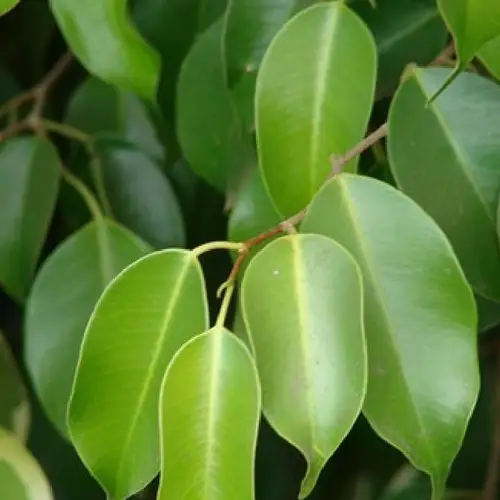
Ficus Care Guide Malaysia: Grow Ornamental Fig Indoors
Ficus plants, commonly known as ornamental figs, are among the most popular indoor plants for Malaysian homes—and for good reason. These versatile plants range from majestic rubber trees to elegant weeping figs, and they’re officially recognized as NASA air-filtering plants that help purify indoor air. Whether you’re growing a bold Ficus elastica (rubber plant) or a graceful Ficus benjamina (weeping fig), this complete care guide will help you succeed in Malaysia’s tropical climate.
Why Ficus Plants Thrive in Malaysian Homes
Ficus plants are naturally suited to Malaysia’s tropical conditions with temperatures between 24-32°C and high humidity levels. As foliage houseplants, they create bold, attractive focal points for home decoration while actively improving indoor air quality by filtering common pollutants.
Important Note: Ficus plants are not safe for pets. The milky sap can cause irritation and digestive issues in cats and dogs, so keep these plants out of reach of curious pets and children.
Popular Ficus Varieties for Malaysian Gardens
The Ficus family offers incredible diversity, from bushy plants to towering trees and trailing varieties. Here are the most popular types for Malaysian homes:
Tree & Bushy Varieties
- Ficus elastica decora (Rubber Plant) – The classic indoor tree with large, glossy leaves
- Ficus elastica Black Prince – Dramatic dark burgundy foliage
- Ficus elastica Tricolor – Variegated leaves with cream, pink, and green
- Ficus lyrata (Fiddle Leaf Fig) – Trendy plant with large, violin-shaped leaves
- Ficus benjamina (Weeping Fig) – Graceful tree with arching branches
- Ficus benghalensis (Bengal Fig) – Large-leaved variety with aerial roots
- Ficus religiosa (Bo Tree) – Sacred fig with heart-shaped leaves
- Ficus triangularis – Unique triangular-shaped foliage
- Ficus diversifolia (Mistletoe Fig) – Compact variety with small round leaves
- Ficus rubiginosa variegata (Rusty Fig) – Variegated leaves with rusty undersides
Trailing & Climbing Varieties
- Ficus pumila (Creeping Fig) – Fast-growing climber perfect for walls
- Ficus pumila minima – Miniature version with tiny leaves
- Ficus radicans variegata (Trailing Fig) – Variegated trailing variety for hanging baskets
Complete Ficus Care Guide for Malaysia
Light Requirements
Tree-type Ficus plants need bright, indirect light to maintain their bold appearance. Place them near windows with filtered sunlight, but avoid direct afternoon sun which can scorch leaves in Malaysia’s intense heat. Trailing varieties are more tolerant of partial shade but still prefer bright conditions.
Temperature & Humidity
Ficus plants love Malaysia’s average warmth of 24-32°C. They adapt well to indoor conditions but avoid placing them directly under air-conditioning vents or in rooms with temperature fluctuations. The natural humidity in Malaysian homes (typically 70-90%) is ideal for these tropical plants.
Watering Guidelines
Proper watering is crucial for Ficus health, and requirements vary by type:
For Tree-Type Ficus (Rubber plants, Fiddle leaf figs, Weeping figs):
Water carefully, allowing the top 5cm of planting medium to dry out between waterings. In Malaysia’s climate, this typically means watering every 5-7 days. During monsoon season (November-February), reduce frequency as humidity naturally increases.
For Trailing Ficus (Creeping figs, Trailing figs):
These varieties require more frequent watering to keep the soil slightly moist. Water every 3-4 days, adjusting based on humidity levels.
Fertilizing Your Ficus
Feed your Ficus regularly to maintain healthy, vibrant foliage. Use Serbajadi Foliar Growing Supreme 26 Liquid Fertiliser every 2-3 weeks during the growing season. This balanced formula promotes lush leaf growth and strengthens the plant’s natural air-purifying abilities.
In Malaysia’s climate where heavy rains can wash nutrients from soil, regular fertilizing is especially important for potted Ficus plants.
Repotting Schedule
Repot your Ficus every 2 years to refresh the growing medium and provide room for root growth. Use either Serbajadi Multi-Purpose Compost or Serbajadi Potting Soil for optimal drainage and nutrition.
The best time to repot in Malaysia is during the drier months (March-September) when plants recover more quickly from transplant stress.
Troubleshooting Common Ficus Problems
Sudden Leaf Drop
Causes: Overwatering, low temperatures from air-conditioning, insufficient light, over-fertilizing, or sudden environmental changes
Solution: Identify and correct the environmental issue. Ficus plants are sensitive to change, so maintain consistent conditions. If overwatering is suspected, allow soil to dry out and reduce watering frequency.
Lower Leaf Loss
Causes: Natural aging process
Solution: This is normal. Older leaves naturally yellow and drop as the plant grows. Simply remove fallen leaves to keep the plant tidy.
Yellow Leaf Edges
Causes: Nutrient deficiency, particularly nitrogen
Solution: Increase fertilizing frequency with Serbajadi Foliar Growing Supreme 26. In Malaysia’s heavy rainfall climate, nutrients leach quickly from containers.
Dry, Shriveled Leaves
Causes: Direct sunlight exposure or underwatering
Solution: Move plant away from direct sun and establish a consistent watering schedule. Check soil moisture regularly, especially during hot, dry periods.
Managing Ficus Pests in Malaysia
Scale Insects
These small, brown bumps attach to stems and leaf undersides, sucking plant sap. Wipe off visible scales with a damp cloth or cotton bud, then spray thoroughly with Serbajadi Extra Strength Neem Spray. Repeat treatment weekly until infestation clears.
Mealybugs
These white, cottony pests cluster in leaf axils and new growth. Remove manually with a damp cloth or cotton bud, then apply Serbajadi Extra Strength Neem Spray to prevent recurrence. Check plants regularly, as Malaysia’s humidity can encourage pest populations.
Frequently Asked Questions
Why is my Ficus dropping leaves suddenly?
Sudden leaf drop in Ficus plants is usually caused by environmental stress: overwatering, low temperatures from air-conditioning, insufficient light, over-fertilizing, or sudden changes in location. In Malaysia, the most common cause is overwatering during monsoon season or placing the plant in overly air-conditioned rooms. Allow soil to dry slightly between waterings and maintain consistent conditions.
Are Ficus plants safe for pets?
No, Ficus plants are toxic to cats and dogs. They contain a milky sap that can cause gastrointestinal upset, drooling, and skin irritation if ingested or contacted. Keep Ficus plants out of reach of pets and children.
How often should I water my Ficus in Malaysia’s climate?
For tree-type Ficus like rubber plants and fiddle leaf figs, water when the top 5cm of soil feels dry, typically every 5-7 days in Malaysia’s climate. Trailing varieties like Ficus pumila need more frequent watering, every 3-4 days. During monsoon season (November-February), reduce watering frequency as humidity is naturally higher. Always check soil moisture before watering.
What causes yellow leaves on my Ficus plant?
Yellowing leaf edges with some lower leaf loss typically indicates nutrient deficiency, especially nitrogen. This is common in Malaysia due to heavy rains washing nutrients from the soil. Feed your Ficus regularly with a balanced liquid fertilizer. If only the lowest leaves turn yellow and drop, this is normal aging. Widespread yellowing can also indicate overwatering or root problems.
Can Ficus plants purify indoor air in Malaysian homes?
Yes, Ficus plants are listed among NASA’s air-filtering plants. They effectively remove indoor air pollutants like formaldehyde, benzene, and trichloroethylene. In Malaysia’s urban homes where windows are often closed for air-conditioning, Ficus plants help improve indoor air quality naturally while adding aesthetic value.
Start Your Ficus Journey Today
With their air-purifying properties, diverse varieties, and adaptability to Malaysia’s tropical climate, Ficus plants make excellent additions to any indoor garden. Whether you choose a dramatic rubber plant, an elegant weeping fig, or a trailing creeping fig, proper care will reward you with years of lush, healthy growth.
Visit Serbajadi’s online store for all your Ficus care essentials, from premium potting soil to specialized fertilizers and organic pest control solutions.