Begonia Care Guide Malaysia: Growing Tips for Tropical Climate
Begonias are beloved flowering pot plants that bring vibrant colour and lush foliage to Malaysian homes. With over 2,000 species ranging from compact flowering varieties to dramatic foliage types, begonias offer something for every indoor gardener. This comprehensive guide covers everything you need to know about growing begonias successfully in Malaysia’s tropical climate (24-32°C with high humidity).
Understanding Begonia Types
Classification: Flowering and foliage pot plants
Plant Groups:
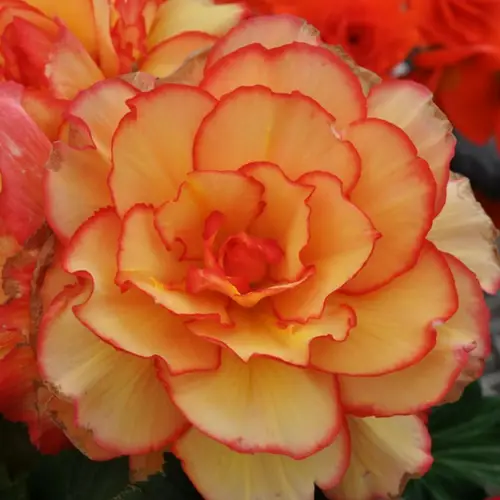
- Elatior Begonias – Popular flowering types with rose-like blooms
- Lorraine Begonias – Compact varieties ideal for smaller spaces
- Tuberous Begonias – Dramatic flowers, often grown for seasonal display
- Rex Begonias – Grown primarily for stunning decorative foliage
Growth Habit: Flowering varieties are typically grown for temporary display during their blooming period, while foliage types like Rex begonias are evergreen and valued for their ornamental leaves year-round.
Pet Safety: No – begonias are toxic to cats and dogs. Keep them out of reach of pets and children.
Popular Begonia Varieties for Malaysian Gardens
- Begonia × cheimantha (Christmas Begonia) – Blooms during cooler months, perfect for festive displays
- Begonia × elatior – The most common flowering begonia with abundant blooms in red, pink, white, and yellow
- Begonia ‘Fireglow’ – Striking scarlet flowers with glossy foliage
- Begonia multiflora – Compact plants covered in small, abundant flowers
- Begonia sutherlandii – Trailing variety ideal for hanging baskets
- Begonia × tuberhybrida – Large, showy flowers in vibrant colours
- Begonia × tuberhybrida pendula (Basket Begonia) – Cascading growth perfect for elevated displays
Essential Begonia Care for Tropical Conditions
Temperature Requirements
Begonias prefer average warmth between 18-24°C. While Malaysia’s typical indoor temperatures (24-28°C) are slightly warmer than ideal, begonias adapt well when provided with good air circulation. Avoid placing them near air conditioning vents or in areas with temperature fluctuations.
Lighting Needs
Position your begonia in a bright spot with indirect light. Direct tropical sunlight will scorch the delicate leaves and flowers. East-facing windows or locations with filtered light work best. Insufficient light leads to leggy growth and poor flowering.
Watering Guide for Malaysian Humidity
Water freely when your begonia is actively flowering, but allow the top 2-3cm of soil to dry between waterings. Malaysia’s high humidity means begonias need less frequent watering than in drier climates. Never keep the growing medium constantly soggy, as this invites root rot and fungal diseases.
Watering Tips:
- Water in the morning to allow excess moisture to evaporate
- Avoid wetting the leaves and flowers to prevent fungal spots
- Reduce watering frequency during monsoon season when humidity is highest
- Use room-temperature water to avoid shocking the roots
Soil and Repotting
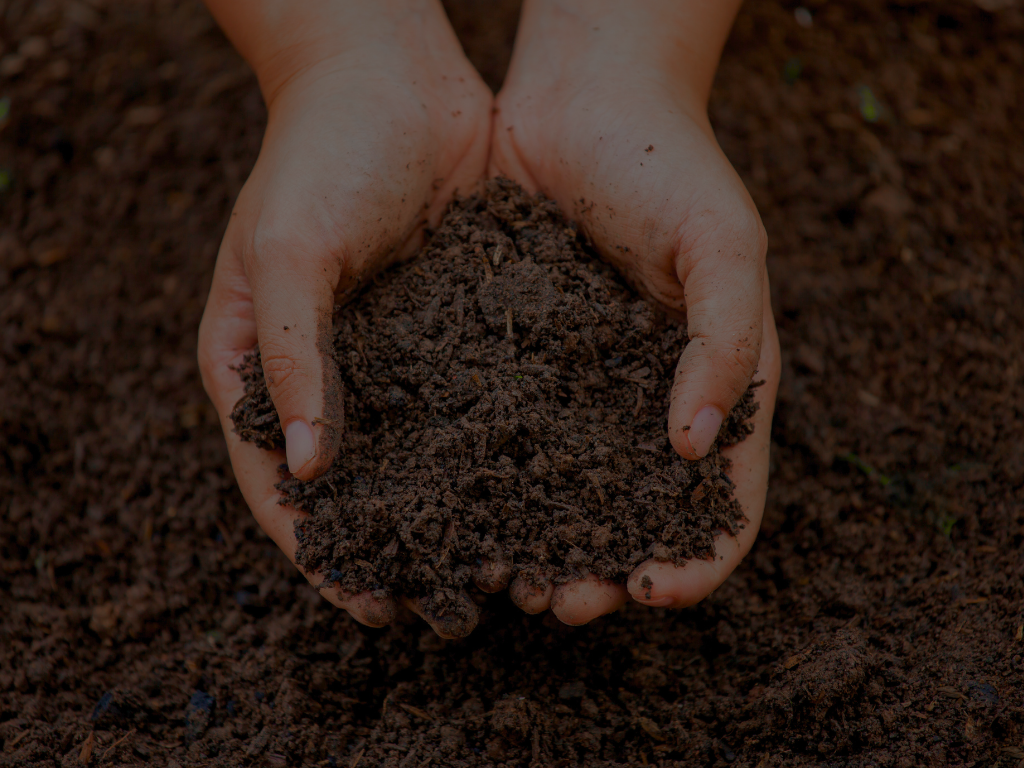
Begonias require well-draining, nutrient-rich growing medium. Repot annually or when the plant becomes rootbound. For optimal results in tropical conditions, use Serbajadi Multi-Purpose Compost, which provides excellent drainage while retaining adequate moisture. For begonias requiring extra aeration, mix in Serbajadi Coco Peat for improved structure.
Fertilising Schedule
Regular feeding is essential for healthy growth and abundant blooms:
For Flowering Begonias:
Feed every 2 weeks during active growth with Serbajadi Flowering Inducer 47 to promote continuous blooming and vibrant flower colours.
For Foliage Begonias:
Apply Serbajadi Growing Inducer 45 monthly to maintain lush, colourful foliage and vigorous growth.
Quick Boost:
For an immediate nutrient boost, use Serbajadi Growth Master FS35 Spray as a foliar feed.
Common Begonia Problems and Solutions
Leaf and Flower Issues
Brown Blotches Turning Grey and Mouldy
Cause: Overly moist soil combined with insufficient light and poor air circulation
Solution: Reduce watering frequency, improve air circulation, and move to a brighter location. Remove affected leaves and ensure the growing medium drains well.
Brown Leaf Tips
Cause: Low humidity (uncommon in Malaysia but can occur in air-conditioned rooms)
Solution: Increase humidity by grouping plants together or using a pebble tray with water. Avoid misting directly on leaves.
Pale, Rotting Leaves
Cause: Overwatering and waterlogged soil
Solution: Allow soil to dry out between waterings. Check drainage holes aren’t blocked. Repot if root rot is suspected using fresh Serbajadi Multi-Purpose Compost.
Yellowing Leaves
Cause: Watering issues (too much or too little) or insufficient light
Solution: Adjust watering schedule and ensure adequate bright, indirect light. Feed with Serbajadi Growing Inducer 45 to address nutrient deficiencies.
Leaf Drop
Cause: Insufficient light, excessive heat, or inconsistent watering
Solution: Move to a brighter location with stable temperatures. Establish a consistent watering routine.
Flower Buds Drop Before Opening
Cause: Low humidity or underwatering
Solution: Maintain consistent soil moisture during flowering. Increase ambient humidity if growing in heavily air-conditioned spaces.
Plant Collapse
Cause: Severe root rot or root damage
Solution: Check roots immediately. If black and mushy, trim affected roots and repot in fresh, well-draining medium. Severely damaged plants may not recover.
Pest Management for Begonias
Spider Mites
These tiny pests appear as fine webbing on leaf undersides and cause stippled, yellowing leaves. Spider mites thrive on water-stressed plants.
Treatment:
- Wipe leaves with a damp cloth or cotton bud to remove mites
- Spray thoroughly with GarNeem Spray, covering both upper and lower leaf surfaces
- Maintain consistent watering to prevent future infestations
- Repeat treatment every 5-7 days until mites are eliminated
Aphids
Small, soft-bodied insects that cluster on new growth, buds, and leaf undersides. They secrete sticky honeydew that attracts ants and promotes sooty mould.
Treatment:
- Spray plant with high-pressure water to dislodge aphids
- Follow immediately with GarNeem Spray
- For severe infestations, use Extra Strength Neem Spray
- Inspect plants weekly and treat promptly at first sign of return
Prevention: Regularly inspect new growth, maintain good air circulation, and avoid over-fertilising with nitrogen which promotes soft, aphid-attracting growth.
Seasonal Care Tips for Malaysia
Monsoon Season (November-March)
- Reduce watering frequency as humidity increases
- Ensure excellent air circulation to prevent fungal diseases
- Move outdoor begonias to sheltered locations
- Monitor for increased pest activity in humid conditions
Hot, Dry Periods (February-April, June-August)
- Water more frequently but avoid waterlogging
- Provide extra shade during peak afternoon heat
- Watch for spider mites which thrive in dry conditions
- Consider using Serbajadi Water Saver to improve moisture retention
Frequently Asked Questions
How often should I water begonias in Malaysia?
Water begonias when the top 2-3cm of soil feels dry to the touch. During flowering periods, water more frequently but never allow the soil to become waterlogged. In Malaysia’s humid climate, this typically means watering 2-3 times per week, adjusting based on your indoor conditions and pot size.
Why are my begonia leaves turning yellow?
Yellow begonia leaves typically indicate watering issues (either too much or too little) or insufficient light. Check soil moisture levels and ensure your plant receives bright, indirect light. If the problem persists, feed with Serbajadi Growing Inducer 45 to address potential nutrient deficiencies.
Can begonias survive in Malaysian outdoor conditions?
Most begonias prefer indoor or sheltered outdoor conditions in Malaysia. They thrive in temperatures between 18-24°C and can struggle with direct tropical sun and heavy monsoon rains. If growing outdoors, place them in shaded areas with protection from intense afternoon sun and heavy downpours.
How do I get my begonia to flower more?
To encourage more blooms, ensure your begonia receives adequate bright, indirect light and feed regularly with Serbajadi Flowering Inducer 47 every 2 weeks during the growing season. Remove spent flowers promptly and maintain consistent watering without waterlogging the soil.
Are begonias safe for pets?
No, begonias are toxic to cats and dogs. They contain soluble calcium oxalates that can cause oral irritation, excessive drooling, vomiting, and difficulty swallowing if ingested. Keep begonias out of reach of pets and children.
Conclusion
Begonias are rewarding plants that bring colour and beauty to Malaysian homes when given proper care. By understanding their needs for bright indirect light, consistent moisture without waterlogging, and regular feeding, you can enjoy healthy plants with abundant blooms or stunning foliage. Remember to adjust care based on Malaysia’s seasonal variations and monitor regularly for pests. With attention to these details, your begonias will thrive in our tropical climate.
Ready to start your begonia journey? Visit Serbajadi’s online shop for all your begonia care essentials, from premium growing media to specialized fertilizers formulated for Malaysia’s tropical conditions.