How to Grow Begonias in Malaysia: Complete Care Guide
Begonias are stunning flowering houseplants that thrive in Malaysia’s tropical climate when given proper care. With over 1,800 species ranging from compact flowering varieties to dramatic foliage types, begonias offer incredible diversity for indoor gardeners. Whether you’re growing the popular Angel Wing begonia or the cheerful Wax begonia, understanding their specific needs in our warm, humid environment (24-32°C with 80%+ humidity) is key to success.
This comprehensive guide covers everything you need to know about growing healthy, vibrant begonias in Malaysian homes—from selecting the right variety to troubleshooting common problems in our tropical conditions.
Understanding Begonia Types
Classification: Flowering houseplant
Growth Habits: Cane-stemmed, trailing, or bushy (depending on variety)
Character: Flowering types grown for temporary display; foliage varieties are evergreen
Pet Safety: No—toxic to cats and dogs
Popular Begonia Varieties for Malaysian Homes
Different begonia varieties suit different growing conditions and aesthetic preferences:
Cane-Stemmed Begonias
- Begonia argenteo-guttata (Trout Begonia): Silver-spotted leaves resembling trout markings
- Begonia coccinea (Angel Wing Begonia): Wing-shaped leaves with clusters of coral-pink flowers
- Begonia lucerna: Large silver-spotted leaves with pink flower clusters
- Begonia metallica: Metallic bronze-green foliage with pink-white flowers
Trailing Begonias
- Begonia glaucophylla (Shrimp Begonia): Cascading stems with brick-red flowers
Bushy Begonias
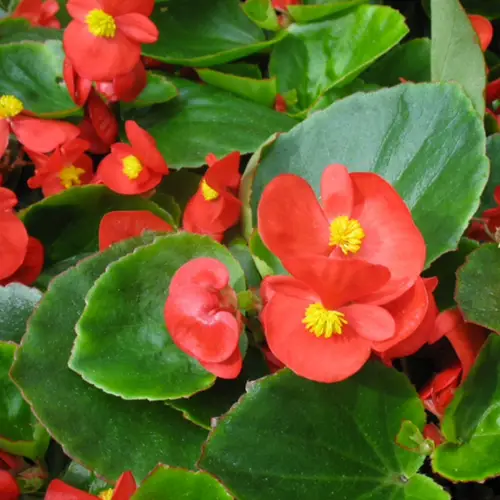
- Begonia semperflorens (Wax Begonia): Compact plants with glossy leaves and continuous blooms
- Begonia fuchsioides (Fuchsia Begonia): Small leaves with delicate fuchsia-like flowers
- Begonia haageana (Elephant Ear Begonia): Large, textured leaves with pink flowers
- Begonia serratipetala (Pink Spot Begonia): Distinctive pink-spotted foliage
Essential Begonia Care for Malaysia’s Climate
Temperature Requirements
Begonias prefer average warmth, making them ideal for Malaysian indoor conditions. They thrive in temperatures between 18-24°C, which aligns well with air-conditioned homes. Avoid placing begonias near cold air-conditioning vents or in areas with temperature fluctuations, as this can cause leaf drop and stress.
Light Requirements
Provide bright, indirect light for optimal growth. Malaysia’s intense tropical sun can scorch begonia leaves, so avoid direct sunlight—especially during midday hours (11am-3pm). East-facing windows offer ideal morning light, or use sheer curtains to filter harsh western sun. Insufficient light leads to leggy growth and reduced flowering.
Watering Guidelines
Proper watering is crucial for begonia health in our humid climate:
- Keep the growing medium consistently moist but not waterlogged
- Allow the soil surface to dry slightly between waterings
- During monsoon season (November-March), reduce watering frequency as humidity increases
- Water at the base of the plant to avoid wetting leaves, which can promote fungal issues
- Ensure pots have drainage holes to prevent root rot
Repotting
Repot begonias when roots become crowded or the plant outgrows its container. Use either Serbajadi Organic Peat Moss or Serbajadi Multi-Purpose Compost for excellent drainage and aeration. The best time to repot is during the growing season (March-September) when plants recover quickly from transplant stress.
Fertilising Schedule
Regular feeding supports healthy growth and abundant flowering:
- For leafy begonias: Apply Serbajadi Plant Food Organic Plus 23 Growing Fertilisers every 2-3 weeks to promote lush foliage
- For flowering begonias: Use Serbajadi Plant Food Organic Plus 41 Flowering Fertilisers every 2-3 weeks to encourage blooming
- Reduce fertilising during monsoon season when growth naturally slows
- Always water before fertilising to prevent root burn
Troubleshooting Common Begonia Problems
Leaf Issues
Brown blotches turning grey and mouldy: This indicates overly moist soil combined with insufficient light. Improve drainage, reduce watering frequency, and move the plant to a brighter location. Remove affected leaves to prevent spread.
Brown leaf tips: Low humidity is the culprit, though this is less common in Malaysia’s naturally humid climate. If you’re using air conditioning extensively, increase local humidity by grouping plants together or placing the pot on a pebble tray with water.
Pale, rotting leaves: Classic sign of overwatering. Allow the soil to dry out more between waterings and check that drainage holes aren’t blocked. This is especially common during monsoon season when ambient humidity is high.
Yellowing leaves: Multiple causes including inconsistent watering (too much or too little) or insufficient light. Assess your watering schedule and light conditions. In Malaysia, this often occurs when plants are placed in overly shaded corners.
Leaf loss: Can result from insufficient light, excessive heat, or watering problems. Begonias naturally shed some lower leaves as they mature, but sudden leaf drop indicates stress. Review all care conditions.
Flowering Issues
Flower buds dropping: Usually caused by low humidity or underwatering. While Malaysia’s outdoor humidity is high, indoor air conditioning can create dry conditions. Maintain consistent soil moisture and avoid letting the plant dry out completely.
Severe Problems
Plant collapse: Indicates serious root problems, typically from root rot caused by overwatering or poor drainage. Check roots—healthy roots are white or light tan, while rotted roots are brown and mushy. Repot in fresh, well-draining medium if any healthy roots remain.
Managing Begonia Pests in Malaysia
Spider Mites
These tiny pests attack water-stressed plants, causing stippled, yellowing leaves and fine webbing. In Malaysia’s hot, dry periods (especially during the Southwest Monsoon), spider mites can multiply rapidly.
Treatment:
- Wipe affected leaves with a damp cloth or cotton bud to remove visible mites
- Spray thoroughly with Extra Strength Neem Spray, ensuring coverage of leaf undersides
- Repeat treatment every 5-7 days until infestation clears
- Maintain consistent watering to prevent future attacks
Aphids
These soft-bodied insects cluster on new growth, sucking plant sap and causing distorted leaves. They excrete sticky honeydew that attracts ants and promotes sooty mould.
Treatment:
- Spray the plant with high-pressure water to dislodge aphids
- Follow with Extra Strength Neem Spray for thorough control
- Check plants weekly during the growing season when aphids are most active
- Isolate infested plants to prevent spread to other houseplants
Seasonal Care Tips for Malaysian Begonias
Southwest Monsoon (May-September)
This drier period requires more attentive watering. Monitor soil moisture closely and water when the top 2-3cm feels dry. Watch for spider mites, which thrive in drier conditions.
Northeast Monsoon (November-March)
High humidity and frequent rain mean reduced watering needs. Be especially vigilant about overwatering and fungal issues. Ensure excellent air circulation around plants.
Inter-Monsoon Periods (April, October)
These transitional months offer ideal growing conditions. This is the best time for repotting, propagating, and fertilising for maximum growth.
Frequently Asked Questions
Are begonias safe for pets?
No, begonias are toxic to cats and dogs. They contain soluble calcium oxalates that can cause oral irritation, excessive drooling, vomiting, and difficulty swallowing if ingested. Keep begonias out of reach of pets and children.
Why are my begonia leaves turning yellow?
Yellow begonia leaves typically indicate watering issues (either too much or too little) or insufficient light. In Malaysia’s humid climate, overwatering is common during monsoon season. Ensure proper drainage and allow the soil surface to dry between waterings. If the plant receives too little light, move it to a brighter location with indirect sunlight.
How often should I fertilise begonias in Malaysia?
Fertilise begonias every 2-3 weeks during active growing periods. Use Serbajadi Plant Food Organic Plus 23 Growing Fertilisers for leafy varieties or Serbajadi Plant Food Organic Plus 41 Flowering Fertilisers for flowering types. During Malaysia’s monsoon season, reduce fertilising frequency as growth naturally slows.
What causes begonia flower buds to drop?
Begonia bud drop is usually caused by low humidity or inconsistent watering. While Malaysia’s climate is naturally humid (80%+), indoor air conditioning can reduce humidity levels. Maintain consistent soil moisture and consider using a humidity tray or grouping plants together to increase local humidity.
How do I treat spider mites on begonias?
Spider mites attack water-stressed begonias. First, wipe affected leaves with a damp cloth to remove visible mites. Then spray thoroughly with Extra Strength Neem Spray, ensuring coverage of leaf undersides. Maintain consistent watering schedules to prevent future infestations, as spider mites target stressed plants.
Conclusion
Growing begonias successfully in Malaysia requires understanding how our tropical climate affects their care needs. By providing bright indirect light, maintaining consistent moisture without overwatering, and adjusting care seasonally, you’ll enjoy healthy plants with stunning foliage or abundant flowers. Regular monitoring for pests and prompt treatment with appropriate solutions ensures your begonias remain vibrant additions to your indoor garden.
For all your begonia care needs—from quality growing media to effective pest control—explore the complete range of Serbajadi products formulated specifically for Malaysia’s tropical growing conditions.