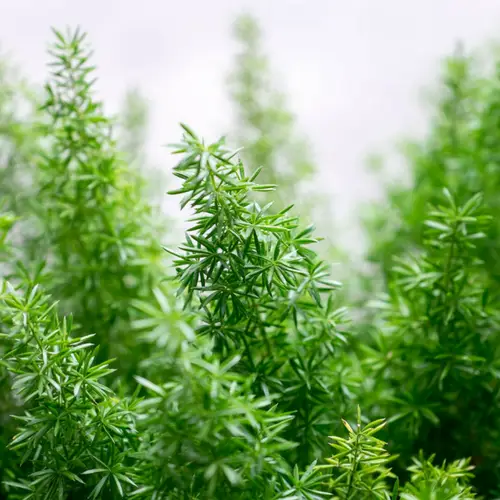
How to Grow Asparagus Fern: Complete Malaysian Care Guide
Important Note: This guide covers ornamental Asparagus ferns (houseplants), not edible asparagus vegetables. Despite the name, Asparagus ferns are not true ferns but members of the lily family, prized for their delicate, feathery foliage that adds elegance to Malaysian homes and gardens.
Understanding Asparagus Ferns
Classification: Ornamental foliage houseplant
Growth Habit: Bushy, climbing, or trailing (depending on variety)
Difficulty Level: Easy to grow – perfect for beginners
Climate Suitability: Thrives in Malaysia’s tropical conditions (24-32°C, high humidity)
Popular Asparagus Fern Varieties for Malaysia
1. Asparagus densiflorus ‘Sprengeri’ (Emerald Fern)
The most popular variety with arching stems and bright green needle-like foliage. Perfect for hanging baskets or as a bushy tabletop plant. Produces small white flowers followed by red berries.
2. Asparagus setaceus (Asparagus Plumosus)
Features delicate, feathery foliage that resembles soft clouds. This climbing variety is ideal for trellises and can reach impressive heights in Malaysian conditions. Often used in floral arrangements.
3. Asparagus meyeri (Foxtail Fern)
Distinctive upright plumes that resemble fluffy foxtails. More compact than other varieties, making it perfect for smaller spaces. Excellent texture contrast in mixed plantings.
4. Asparagus falcatus (Sicklethorn)
A vigorous climbing variety with thorny stems and glossy foliage. Best suited for outdoor gardens where it can climb fences or walls. Handle with care due to sharp thorns.
5. Asparagus asparagoides (Smilax)
A trailing variety with heart-shaped leaves on delicate stems. Ideal for hanging baskets or as a cascading element in mixed containers.
Complete Care Guide for Malaysian Climate
Light Requirements
Asparagus ferns are remarkably adaptable to various light conditions, making them perfect for Malaysian homes:
- Ideal: Bright, indirect light near east or north-facing windows
- Tolerable: Semi-shady conditions with filtered light
- Avoid: Direct afternoon sunlight, which causes leaf scorch and yellowing in Malaysia’s intense tropical sun
- Indoor tip: Place 1-2 meters from windows with sheer curtains
- Outdoor tip: Grow under tree canopies or covered patios
Watering in Tropical Conditions
Proper watering is crucial for lush, healthy Asparagus ferns in Malaysia’s climate:
- Frequency: Water every 2-3 days, or when the top 2-3cm of soil feels dry
- Method: Water thoroughly until it drains from the bottom, then empty saucer
- Consistency: Keep soil evenly moist but never waterlogged
- Monsoon adjustment: Reduce frequency during heavy rain periods as humidity increases
- Signs of underwatering: Yellow needles, leaf drop, dry brown tips
- Signs of overwatering: Root rot, wilting despite wet soil, musty smell
Temperature & Humidity
Asparagus ferns thrive in Malaysia’s natural conditions:
- Ideal temperature: 24-32°C (perfectly suited to Malaysian climate)
- Humidity: Loves Malaysia’s 70-90% humidity levels
- Air circulation: Ensure good airflow to prevent fungal issues during monsoon season
- Indoor AC: Keep away from direct cold air blasts which can cause stress
Soil & Repotting
Annual repotting keeps your Asparagus fern healthy and vigorous:
- When to repot: Every year, preferably at the start of the rainy season
- Pot size: Increase by 5cm diameter each time
- Drainage: Essential – ensure pots have drainage holes
- Recommended growing media:
- Serbajadi Organic Peat Moss – excellent moisture retention with good drainage
- Serbajadi Multi-Purpose Compost – nutrient-rich blend perfect for tropical conditions
- Root pruning: Trim thick tuberous roots by one-third if pot-bound
Fertilizing for Lush Growth
Regular feeding produces the bushiest, most vibrant foliage:
- Recommended fertilizer: Serbajadi Plant Food Organic Plus 23 Growing Fertilisers (750gm)
- Frequency: Every 2-4 weeks during active growth
- Application: Follow package instructions, water before and after feeding
- Monsoon tip: Reduce feeding during heavy rain as nutrients wash through quickly
- Signs of nutrient deficiency: Pale foliage, slow growth, sparse needles
Common Problems & Solutions
Yellowing Foliage with Brown Edges or Scorch Marks
Causes: Too much direct sunlight or insufficient watering
Solutions:
- Move plant to a location with filtered light
- Increase watering frequency, ensuring soil stays consistently moist
- Mist foliage during particularly hot days (above 32°C)
- Prune damaged foliage to encourage fresh growth
Yellowing Foliage Without Scorch, Plus Leaf Drop
Causes: Excessive heat or insufficient light
Solutions:
- Relocate to a cooler spot with better air circulation
- Move closer to a light source (but avoid direct sun)
- Ensure temperature doesn’t exceed 32°C consistently
- Check that plant isn’t near heat-generating appliances
Plant Death or Severe Wilting
Cause: Root rot from overwatering or poor drainage
Solutions:
- Remove plant from pot and inspect roots
- Trim away black, mushy roots with sterilized scissors
- Repot in fresh, well-draining medium
- Reduce watering frequency and ensure proper drainage
- If severely affected, take healthy stem cuttings to propagate new plants
Pest Management for Asparagus Ferns
Malaysia’s humid climate can attract various pests. Here’s how to identify and treat them:
Mealybugs
Identification: White, cottony masses on stems and needle junctions
Treatment:
- Wipe off visible bugs with a damp cloth or cotton bud dipped in rubbing alcohol
- Spray entire plant with Serbajadi Neem Spray Extra Strength
- Repeat treatment every 7 days for 3 weeks
- Isolate affected plants to prevent spread
Spider Mites
Identification: Fine webbing between needles, stippled yellowing, tiny moving dots
Treatment:
- Shower plant with strong water spray to dislodge mites
- Wipe foliage with damp cloth
- Apply Serbajadi Neem Spray Extra Strength
- Increase humidity and ensure consistent watering (spider mites attack water-stressed plants)
- Repeat treatment every 5-7 days until eliminated
Aphids
Identification: Small green, black, or brown insects clustering on new growth
Treatment:
- Spray plant forcefully with water to knock off aphids
- Follow immediately with Serbajadi Neem Spray Extra Strength
- Check daily and repeat as needed
- Inspect neighboring plants as aphids spread quickly
Scale Insects
Identification: Brown or tan bumps on stems, sticky honeydew residue
Treatment:
- Scrape off scales gently with a dull knife or fingernail
- Wipe affected areas with cotton bud dipped in rubbing alcohol
- Spray thoroughly with Serbajadi Neem Spray Extra Strength
- Repeat every 7-10 days for a month
Thrips
Identification: Silvery streaks on foliage, tiny elongated insects
Treatment:
- Spray entire plant including undersides with Serbajadi Neem Spray Extra Strength
- Treat weekly for 3-4 weeks
- Remove heavily damaged foliage
- Improve air circulation around plant
Propagation Tips
Asparagus ferns are easy to propagate through division:
- Best timing: During annual repotting
- Method: Gently separate root clumps, ensuring each division has roots and shoots
- Potting: Plant divisions in fresh Serbajadi Multi-Purpose Compost
- Aftercare: Keep consistently moist and in bright indirect light
- Establishment: New growth appears within 2-4 weeks
Styling Ideas for Malaysian Homes
- Hanging baskets: Showcase trailing varieties like Sprengeri on balconies
- Tabletop displays: Use compact Foxtail ferns as centerpieces
- Vertical gardens: Train climbing varieties up trellises or moss poles
- Mixed containers: Combine with colorful flowering plants for texture contrast
- Bathroom plants: Thrive in high-humidity bathroom environments
- Office greenery: Tolerate air-conditioning and artificial light well
Frequently Asked Questions
Are Asparagus ferns safe for pets?
No, Asparagus ferns are toxic to cats and dogs. They contain sapogenins which can cause vomiting, diarrhea, and skin irritation if ingested or touched. Keep these plants out of reach of pets and children. The berries are particularly toxic.
Why are my Asparagus fern leaves turning yellow?
Yellow leaves on Asparagus ferns typically indicate either too much direct sunlight, insufficient watering, or excessive heat. In Malaysia’s climate, ensure your plant receives bright indirect light, maintain consistent moisture, and keep it in temperatures between 24-32°C. If yellowing occurs with brown edges, increase watering frequency.
How often should I water my Asparagus fern in Malaysia?
In Malaysia’s tropical climate with high humidity, water your Asparagus fern every 2-3 days or when the top inch of soil feels dry. These plants prefer consistently moist (not soggy) soil. During the monsoon season, reduce watering frequency as humidity levels increase naturally.
Can Asparagus ferns grow outdoors in Malaysia?
Yes, Asparagus ferns can grow outdoors in Malaysia’s tropical climate, but they must be protected from direct afternoon sunlight. Place them in shaded areas, under tree canopies, or on covered patios where they receive filtered light. They thrive in Malaysia’s warm temperatures (24-32°C) and high humidity.
What’s the difference between Asparagus fern varieties?
Common varieties include: Asparagus densiflorus ‘Sprengeri’ (Emerald Fern) – bushy with arching stems; Asparagus setaceus (Plumosus) – delicate, feathery foliage perfect for climbing; Asparagus meyeri (Foxtail Fern) – upright plumes resembling foxtails; Asparagus falcatus (Sicklethorn) – climbing variety with thorny stems; and Asparagus asparagoides (Smilax) – trailing variety ideal for hanging baskets.
Do Asparagus ferns produce flowers or berries?
Yes, mature Asparagus ferns produce small, fragrant white flowers followed by bright red berries. However, the berries are toxic and should be removed if you have pets or children. The flowers are more commonly seen on outdoor plants in Malaysia’s climate.
Can I grow Asparagus ferns from seed?
While possible, growing from seed is slow and unpredictable. Division during repotting is much faster and more reliable. If you do collect seeds from berries, soak them for 24 hours before planting in moist seed-starting mix.
Conclusion
Asparagus ferns are among the most rewarding houseplants for Malaysian gardeners. Their adaptability to our tropical climate, tolerance of varying light conditions, and lush, elegant foliage make them perfect for both beginners and experienced plant enthusiasts. With proper care – consistent watering, bright indirect light, annual repotting with quality Serbajadi compost, and regular feeding with Serbajadi fertilizers – your Asparagus fern will thrive for years, adding graceful greenery to your indoor or outdoor spaces.
Remember to keep these beautiful plants away from pets and children due to their toxicity, and enjoy the low-maintenance elegance they bring to your Malaysian garden!