Aphelandra Care Guide: Growing Zebra Plant in Malaysia
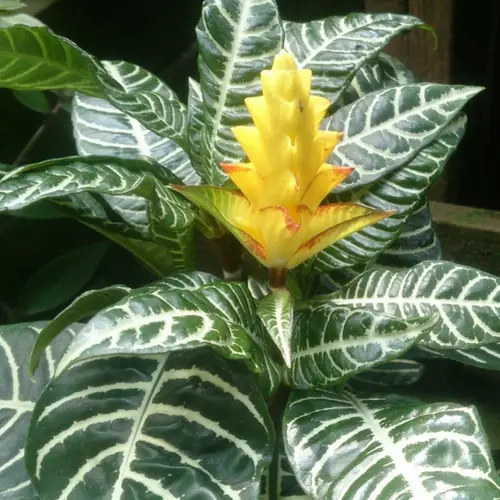
The Aphelandra, commonly known as the Zebra Plant, is a stunning tropical houseplant prized for its bold, dark green leaves adorned with striking white or silvery veins and crowned by vibrant golden-yellow flower bracts. Native to the rainforests of Brazil, this eye-catching plant thrives in Malaysia’s warm, humid climate (24-32°C) when given proper care. This comprehensive guide will help you successfully grow and maintain healthy Aphelandra plants in your Malaysian home.
About Aphelandra (Zebra Plant)
Botanical Name: Aphelandra squarrosa
Common Names: Zebra Plant, Saffron Spike
Plant Type: Tropical evergreen flowering houseplant
Growth Habit: Compact, bushy plant reaching 30-60cm in height
Special Features: Ornamental foliage with white veining and showy golden-yellow bracts lasting 4-6 weeks
Pet Safety: ⚠️ TOXIC to cats and dogs – Keep out of reach of pets and children
Popular Aphelandra Varieties
Several cultivated varieties of Aphelandra are available for Malaysian gardeners:
- Aphelandra squarrosa ‘Louisae’ – The most common variety with prominent white veining
- Aphelandra squarrosa ‘Dania’ – Compact form ideal for smaller spaces
- Aphelandra squarrosa ‘Fritz Prinsler’ – Features particularly bold leaf patterns
- Aphelandra squarrosa ‘Brockfeld’ – Known for reliable flowering
- Aphelandra aurantiaca – Orange-red bracts instead of yellow (less common)
Essential Aphelandra Care Requirements
Light Requirements
Aphelandra plants need bright, indirect light to maintain their vibrant leaf patterns and encourage flowering. In Malaysian homes:
- Place near east or north-facing windows for gentle morning light
- Avoid direct afternoon sun which can scorch leaves and fade the white veining
- Rotate the plant weekly for even growth
- In air-conditioned offices, position 1-2 meters from windows with sheer curtains
Temperature & Humidity
As a tropical rainforest native, Aphelandra thrives in Malaysia’s natural climate:
- Temperature: 18-27°C (ideal range); tolerates up to 32°C with adequate humidity
- Humidity: Requires 60-80% relative humidity
- Malaysia’s natural humidity is beneficial, but air-conditioned rooms need supplemental moisture
- Increase humidity by: daily misting, pebble trays, grouping plants, or using a humidifier
- Avoid placing near air-conditioning vents or fans
Watering Guidelines
Proper watering is crucial for Aphelandra care in Malaysia’s tropical conditions:
- Keep soil consistently moist but never waterlogged
- Water when the top 2cm of soil feels dry to touch (typically every 2-3 days)
- Use room-temperature water to avoid shocking roots
- Ensure pots have drainage holes to prevent root rot
- During monsoon season, reduce watering frequency as humidity increases
- Never allow the soil to completely dry out – this causes leaf drop
Soil & Potting Medium
Aphelandra requires well-draining, nutrient-rich soil that retains moisture without becoming soggy:
- Use Serbajadi Multi-Purpose Compost for optimal drainage and nutrition
- Alternatively, mix Serbajadi Organic Peat Moss with regular potting soil for improved moisture retention
- Ensure pH level between 5.5-6.5 (slightly acidic)
- Add perlite or coarse sand for extra drainage if needed
Fertilizing Schedule
Regular feeding supports lush foliage growth and vibrant flowering:
- Feed every 2 weeks during active growing season (March-October)
- Use Serbajadi Plant Food Foliar Growing Supreme 26 diluted according to package instructions
- Reduce feeding to monthly during slower growth periods
- Apply fertilizer to moist soil to prevent root burn
- Flush soil with plain water monthly to prevent salt buildup
Repotting
Annual repotting keeps your Aphelandra healthy and vigorous:
- Timing: Repot every year in early growing season (March-April)
- Pot size: Choose a container only 2-3cm larger in diameter
- Medium: Use fresh Serbajadi Multi-Purpose Compost or Serbajadi Organic Peat Moss
- Gently loosen root-bound roots before replanting
- Water thoroughly after repotting and keep in shade for 3-5 days
Common Problems & Solutions
Leaf Drop
Symptoms: Lower leaves yellowing and falling off
Causes:
- Underwatering – soil too dry
- Too much direct sunlight causing stress
- Sudden temperature changes
Solutions:
- Check soil moisture daily and maintain consistent watering
- Move plant away from direct sun to bright indirect light
- Avoid placing near air-conditioning vents or drafty areas
Brown Leaf Tips
Symptoms: Leaf edges and tips turning brown and crispy
Cause: Low humidity (below 60%)
Solutions:
- Increase humidity through daily misting
- Place pot on a pebble tray filled with water
- Group plants together to create a humid microclimate
- Use a humidifier in air-conditioned rooms
Fading Leaf Patterns
Symptoms: White veining becomes less prominent
Cause: Insufficient light
Solution: Move to a brighter location with indirect light
No Flowering
Cause: Insufficient light or nutrients
Solutions:
- Ensure plant receives bright indirect light for 6-8 hours daily
- Feed regularly with balanced fertilizer
- Maintain consistent care routine
Pest Management
While generally pest-resistant, Aphelandra can occasionally attract common houseplant pests in Malaysian conditions:
Mealybugs
Identification: White, cottony masses on leaf undersides and stems
Treatment:
- Wipe off with cotton bud dipped in rubbing alcohol
- Spray affected areas with Serbajadi Neem Spray Extra Strength
- Repeat treatment weekly until eliminated
- Isolate infected plants to prevent spread
Spider Mites
Identification: Fine webbing on leaves, tiny moving dots, stippled yellowing
Treatment:
- Increase humidity (spider mites thrive in dry conditions)
- Spray plant with Serbajadi Neem Spray Extra Strength
- Wipe leaves with damp cloth to remove mites and webs
- Maintain consistent watering to prevent water stress
Whiteflies
Identification: Tiny white flying insects that scatter when plant is disturbed
Treatment:
- Spray thoroughly with Serbajadi Neem Spray Extra Strength
- Focus on leaf undersides where eggs are laid
- Repeat applications every 5-7 days for 3 weeks
- Use yellow sticky traps to monitor and reduce adult populations
Propagation Tips
Aphelandra can be propagated through stem cuttings in Malaysia’s warm climate:
- Take 10-15cm cuttings from healthy stems in spring
- Remove lower leaves, keeping 2-3 leaf pairs at top
- Dip cut end in rooting hormone powder
- Plant in moist Serbajadi Organic Peat Moss
- Cover with clear plastic to maintain humidity
- Keep in warm (24-27°C), bright indirect light
- Roots develop in 4-6 weeks
Seasonal Care in Malaysia
Dry Season (February-April, June-September)
- Increase watering frequency as soil dries faster
- Mist daily to compensate for lower humidity
- Monitor for spider mites (more common in dry conditions)
Monsoon Season (October-January, May)
- Reduce watering frequency slightly
- Ensure excellent drainage to prevent root rot
- Move plants away from rain-exposed areas
- Watch for fungal issues in high humidity
Frequently Asked Questions
Is Aphelandra (Zebra Plant) safe for pets?
No, Aphelandra plants are toxic to cats and dogs. They contain compounds that can cause oral irritation, drooling, vomiting, and difficulty swallowing if ingested. Keep these plants out of reach of pets and children.
Why are my Aphelandra leaves turning brown at the tips?
Brown leaf tips on Aphelandra typically indicate low humidity. In air-conditioned Malaysian homes, humidity can drop below the 60% minimum these plants need. Increase humidity by misting daily, using a pebble tray with water, or running a humidifier nearby.
How often should I water my Zebra Plant in Malaysia?
In Malaysia’s tropical climate (24-32°C), water your Aphelandra every 2-3 days, checking that the top 2cm of soil is dry before watering. Keep the soil consistently moist but never waterlogged. Reduce watering slightly during rainy monsoon periods when humidity is naturally higher.
Why is my Aphelandra dropping leaves?
Leaf drop in Aphelandra is usually caused by either underwatering or too much direct sunlight. Ensure the soil stays consistently moist and move the plant away from direct sun exposure. In Malaysian conditions, east-facing windows provide ideal bright indirect light without scorching.
How long do Aphelandra flowers last?
The distinctive golden-yellow bracts (modified leaves) of Aphelandra can last 4-6 weeks. While the actual flowers are small and white, the showy bracts remain colorful for over a month, making this an excellent choice for adding long-lasting color to Malaysian indoor spaces.
Conclusion
The Aphelandra or Zebra Plant is a rewarding tropical houseplant that thrives in Malaysia’s warm, humid climate when given proper care. With its striking foliage and long-lasting golden bracts, it adds dramatic visual interest to any indoor space. By following this care guide—providing bright indirect light, consistent moisture, high humidity, and regular feeding—you’ll enjoy a healthy, vibrant Aphelandra that becomes a stunning focal point in your Malaysian home garden.
Remember to keep this beautiful plant away from pets and children due to its toxicity, and enjoy the tropical elegance it brings to your indoor plant collection!