Growing Tomatoes With Kids: Harvest Time & Eating Success
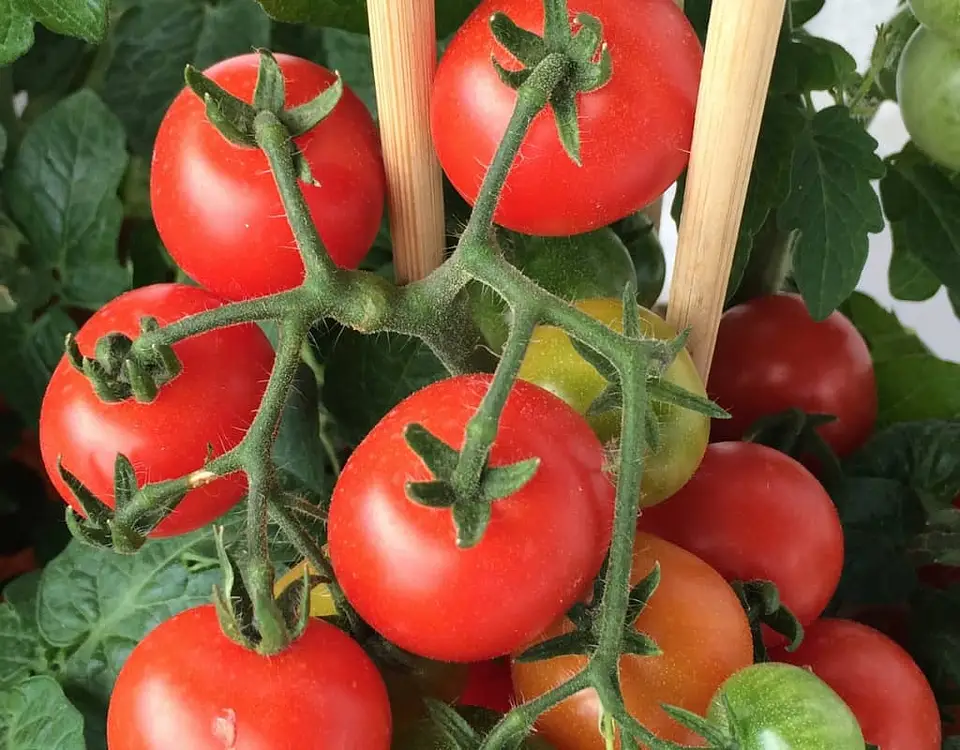
Our tomato plants are finally fruiting! It’s been incredibly rewarding watching the flowers slowly transform into fruit and then seeing those fruits ripen on our balcony. During the movement control months, watching nature take its course provided our family with daily excitement and purpose. Since we live in an apartment and outdoor activities were limited, we brought nature into our daily lives by creating a balcony garden—an experience many Malaysian families can relate to.
From Picky Eater to Tomato Lover

Our toddler’s excitement over growing tomatoes has completely changed her eating habits. While she’s always been a good eater, tomatoes were never her favourite. But something magical happened when she started picking her own tomatoes from our balcony garden—suddenly, she wanted to eat them!
The tomatoes we serve with dinner these days are the same ones she waters, watches grow, and picks herself. This hands-on connection between growing and eating has made all the difference. It’s yet another powerful reason why involving your kids in vegetable gardening can transform their relationship with healthy food.
Fertilising for Success in Malaysia’s Climate

Since replanting our tomatoes into the veg trug, we’ve been fertilising them weekly with AgroMarine Hydrolysed Fish Fertiliser. This organic fertiliser has been instrumental in boosting both flowering and fruiting—essential for productive tomato plants in Malaysia’s tropical climate where temperatures range from 24°C to 32°C with high humidity.
The results speak for themselves: our first flowers appeared around 6 weeks after planting the seeds, and we harvested our first ripe tomato just 2.5 months from seed! For families growing vegetables with kids, this relatively quick timeline keeps children engaged and excited about the process.
Important: When using any fertiliser on edible crops, always observe a 7-day withholding period between the last application and harvest. Wash all produce thoroughly before eating.
Sharing the Garden Bounty

Our tomato plants grew so vigorously that we needed to find new homes for several of them! We gave some to neighbours and family members, and donated others to our condominium’s community garden. This made our daughter incredibly happy—she loves watching the gardeners work and was thrilled to see them plant her tomatoes in her little green bucket.
Those donated tomato plants have since become a permanent feature of our daily walks. Every day, she checks on “her” tomatoes growing in the community garden, creating an extended learning experience beyond our balcony.
Building Daily Care Routines
By now, our toddler is so accustomed to caring for the plants that she reminds us when it’s watering time! We water the tomatoes once daily—appropriate for Malaysia’s hot, humid climate where container plants dry out quickly.
Since her small watering can isn’t enough for the large plants in the veg trug, we replanted a few tomatoes into individual pots that she can water independently. This gives her ownership and responsibility while ensuring all plants receive adequate water.
She absolutely loves helping us pick the ripe fruits and gets super excited whenever she spots a new red tomato on the balcony. This daily interaction with plants teaches patience, responsibility, and the reward of consistent care.
Tips for Growing Tomatoes With Kids in Malaysia
Choose the Right Container Size
Use a veg trug or large containers for main plants, plus smaller individual pots that children can manage themselves. This combination allows kids to participate fully while ensuring plants have adequate space.
Establish a Fertilising Schedule
Weekly feeding with Organic Vegetable Fertiliser or fish-based fertilisers supports healthy growth in tropical conditions. Make fertilising a family activity so children learn about plant nutrition.
Create Daily Routines
Consistent watering and checking for ripe tomatoes gives children structure and teaches them about plant care cycles. Morning watering works best before Malaysia’s intense midday heat.
Celebrate Every Milestone
From first flowers to first fruits, acknowledge each stage of growth. This keeps children engaged throughout the 2-3 month growing cycle.
Continue Your Family Gardening Journey
Want to start your own family tomato garden? Check out Part 1: The Balcony Garden Project and Part 2: Replanting the Tomato Plants of this blog series to see how we got started!
You can also watch our practical video guide: Growing Tomatoes With Kids for visual step-by-step instructions.
Frequently Asked Questions
How long does it take to grow tomatoes from seed to harvest with kids?
From planting seeds to getting your first ripe tomato takes approximately 2.5 months. Flowers typically appear around 6 weeks after planting, followed by fruit development and ripening. This timeline works well for keeping children engaged, as they can see progress every week.
What fertiliser is best for growing tomatoes on a balcony in Malaysia?
AgroMarine Hydrolysed Fish Fertiliser applied once weekly is excellent for balcony tomatoes in Malaysia’s tropical climate. It boosts both flowering and fruiting. For organic options, Serbajadi’s Organic Vegetable Fertiliser works well for edible crops. Always observe a 7-day harvest interval after fertilising.
Can growing vegetables help picky eaters try new foods?
Yes! When children grow their own vegetables, they develop ownership and pride in the produce. Kids who participate in planting, watering, and harvesting are more likely to taste vegetables they previously refused. The connection between “I grew this” and “I’ll eat this” is powerful for encouraging healthy eating habits.
How often should kids water tomato plants in containers?
In Malaysia’s hot, humid climate, container tomatoes typically need watering once daily. Let children handle smaller pots with their own watering can, while parents can assist with larger veg trugs. This daily routine helps kids develop responsibility and consistent plant care habits.
What should I do if my tomato plants grow too large for my balcony?
Replant some tomatoes into individual pots that are more manageable. You can also share or donate extra plants to neighbours, family members, or community gardens. This not only solves space issues but teaches children about generosity and community engagement.