How to Grow Selaginella (Spikemoss) in Malaysia’s Tropical Climate
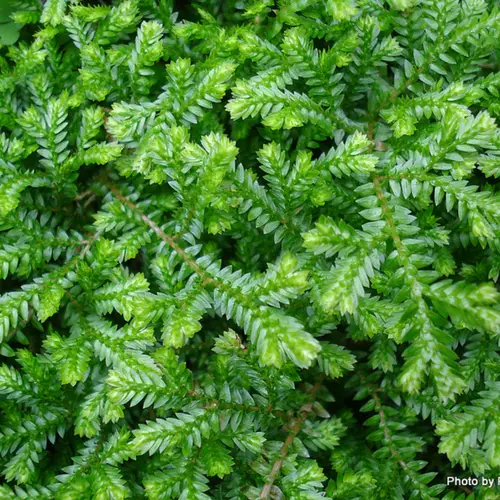
Selaginella, commonly known as spikemoss or creeping moss, is a stunning ancient plant that thrives in Malaysia’s naturally humid tropical climate. Despite its common name, Selaginella isn’t actually a true moss—it’s a lycophyte, a primitive vascular plant that has existed for over 400 million years. With its delicate, fern-like fronds and vibrant green colour, Selaginella makes an excellent choice for terrariums, bottle gardens, and humid indoor spaces.
In Malaysia’s climate with temperatures ranging from 24°C to 32°C and naturally high humidity, Selaginella can flourish with the right care. This guide will help you successfully grow and maintain these beautiful prehistoric plants in your home.
Understanding Selaginella: Plant Classification
Plant Type: Tropical foliage plant (Lycophyte)
Growth Habit: Trailing, creeping, or bushy (depending on variety)
Best Use: Terrariums, bottle gardens, humid indoor spaces
Pet Safety: Non-toxic to cats and dogs
Popular Selaginella Varieties for Malaysian Gardens
Several Selaginella species adapt well to indoor cultivation in Malaysia:
- Selaginella apoda (Meadow spikemoss) – Low-growing, mat-forming variety
- Selaginella emmeliana (Sweat plant) – Compact with lacy, moss-like appearance
- Selaginella kraussiana ‘Aurea’ (Golden spreading clubmoss) – Golden-green trailing variety
- Selaginella lepidophylla (Resurrection plant) – Famous for its ability to survive drought
- Selaginella martensii ‘Watsoniana’ – Silvery-tipped fronds with upright growth
- Selaginella uncinata (Peacock fern) – Iridescent blue-green foliage
Essential Care Guide for Selaginella in Malaysia
Light Requirements
Selaginella thrives in bright, indirect light or semi-shade. In Malaysia’s intense tropical sun, avoid placing your plant in direct sunlight, which can scorch the delicate fronds. Ideal locations include:
- North-facing windows with filtered light
- Bathrooms with natural light (high humidity bonus)
- Under the canopy of larger plants
- Inside terrariums with ambient room light
Temperature
Selaginella prefers average warmth between 18°C to 24°C. Malaysia’s typical indoor temperatures of 24°C to 28°C are suitable, though the plant appreciates slightly cooler conditions. In air-conditioned rooms, ensure humidity remains high despite the cooler temperature.
Humidity Requirements (Critical)
This is the most crucial factor for Selaginella success. These plants require consistently high humidity above 60%, ideally 70-80%. Malaysia’s natural outdoor humidity is perfect, but indoor air-conditioning can drop humidity to problematic levels.
Humidity solutions for Malaysian homes:
- Grow in enclosed terrariums or bottle gardens (best option)
- Use humidity trays filled with water and pebbles
- Group multiple plants together to create a microclimate
- Mist daily with room-temperature water
- Place in naturally humid rooms like bathrooms
Watering
Keep the growing medium consistently moist at all times, but never waterlogged. Selaginella has shallow roots and cannot tolerate drying out. During Malaysia’s hot, dry periods or in air-conditioned rooms, check moisture levels daily.
Watering tips:
- Water when the top surface feels slightly dry to touch
- Use room-temperature water to avoid shocking the roots
- Ensure pots have drainage holes to prevent waterlogging
- In terrariums, water less frequently as moisture is retained
Growing Medium
Use a moisture-retentive yet well-draining medium. The ideal mix holds water while preventing root rot—a common issue in Malaysia’s humid conditions.
Recommended growing medium:
- Serbajadi Organic Peat Moss mixed with perlite (3:1 ratio)
- Serbajadi Multi-Purpose Compost with added perlite for drainage
Repotting
Repot only when the plant outgrows its container or the growing medium breaks down, typically every 1-2 years. Selaginella has delicate roots, so handle carefully during repotting. Spring is the best time for repotting in Malaysia.
Fertilizing
Selaginella has low nutrient requirements. Over-fertilizing causes more problems than under-fertilizing, leading to brown leaf tips and frond damage.
Fertilizer schedule:
- Apply Serbajadi Plant Food Foliar Growing Supreme 26 at half strength
- Feed once monthly during active growth periods
- Reduce or stop fertilizing during slower growth periods
- Always apply to moist soil, never dry
Troubleshooting Common Selaginella Problems
Plant Goes Dormant (Leaves Roll into Brown Balls)
Cause: Low humidity and/or severe underwatering
Solution: This is most common with Selaginella lepidophylla (Resurrection plant). Increase humidity immediately by placing in a terrarium or misting heavily several times daily. Ensure soil is consistently moist. The plant may revive once conditions improve, though recovery can take several weeks.
Brown, Crispy Leaf Tips
Causes: Multiple factors can cause this common problem:
- Low humidity – Most common cause in air-conditioned Malaysian homes
- Underwatering – Soil dried out between waterings
- Overwatering – Root rot from waterlogged conditions
- Over-fertilizing – Salt buildup from too much fertilizer
Solution: Assess your care routine. Check humidity levels first (should be above 60%). Ensure consistent moisture without waterlogging. If you’ve been fertilizing regularly, flush the soil with clean water and reduce fertilizer frequency.
Yellowing Fronds
Cause: Too much direct light or nutrient deficiency
Solution: Move to a shadier location away from direct sun. If light levels are appropriate, apply diluted fertilizer at half strength.
Leggy, Sparse Growth
Cause: Insufficient light
Solution: Move to a brighter location with indirect light. Avoid sudden changes—transition gradually over a week.
Managing Pests on Selaginella
While relatively pest-resistant, Selaginella can occasionally attract common houseplant pests in Malaysian homes:
Mealybugs
White, cottony insects that cluster on fronds and stems.
Treatment: Wipe off with a damp cloth or cotton bud dipped in rubbing alcohol. For persistent infestations, spray with Serbajadi Neem Spray Extra Strength. Repeat treatment weekly until eliminated.
Spider Mites
Tiny pests that cause stippling and webbing on fronds. More common on water-stressed plants.
Treatment: Increase humidity immediately (spider mites hate moisture). Wipe fronds with a damp cloth and spray with Serbajadi Neem Spray Extra Strength. Maintain consistent watering to prevent future attacks.
Prevention: Healthy, well-hydrated Selaginella in high humidity conditions rarely suffer pest problems. Regular misting and proper watering are your best defense.
Why Selaginella is Perfect for Malaysian Terrariums
Selaginella is one of the best plants for enclosed terrariums and bottle gardens in Malaysia because:
- Humidity lovers: Thrives in the high humidity of enclosed containers
- Compact growth: Most varieties stay small and manageable
- Low light tolerance: Grows well in ambient room light
- Visual interest: Adds texture and prehistoric charm
- Low maintenance: Requires minimal intervention once established
In a properly balanced terrarium, Selaginella can thrive for years with minimal care, making it ideal for busy Malaysian gardeners or those new to indoor plants.
Frequently Asked Questions
Is Selaginella safe for pets?
Yes, Selaginella species are non-toxic and safe for cats and dogs. This makes them an excellent choice for pet-friendly households looking to add greenery to their indoor spaces.
Why is my Selaginella turning brown and crispy?
Brown, crispy fronds indicate low humidity or underwatering. Selaginella requires consistently high humidity (above 60%) and moist soil. Increase humidity by misting daily, using a humidity tray, or moving the plant to a terrarium. Ensure the soil never dries out completely.
Can Selaginella grow in air-conditioned rooms in Malaysia?
Selaginella can survive in air-conditioned rooms but requires extra humidity management. Air conditioning reduces humidity levels significantly. Use a terrarium, enclosed glass container, or place the plant on a humidity tray with regular misting to maintain the high moisture levels it needs.
What’s the best growing medium for Selaginella in Malaysia?
Use a moisture-retentive yet well-draining medium. Mix Serbajadi Organic Peat Moss or Multi-Purpose Compost with perlite in a 3:1 ratio. This combination holds moisture while preventing waterlogging, which is essential for healthy root development in Malaysia’s tropical climate.
How often should I fertilize Selaginella?
Fertilize lightly once a month during the growing season using a diluted liquid fertilizer like Serbajadi Plant Food Foliar Growing Supreme 26 at half the recommended strength. Selaginella has low nutrient requirements, and over-fertilizing can damage the delicate fronds.
Final Thoughts
Selaginella brings a touch of prehistoric beauty to Malaysian homes, especially when grown in terrariums where its humidity needs are naturally met. While these ancient plants require attention to moisture and humidity levels, they reward careful growers with lush, vibrant foliage that adds unique texture to any indoor plant collection.
The key to success with Selaginella in Malaysia is understanding that despite our naturally humid climate, indoor air-conditioning can create challenging conditions. By providing enclosed environments like terrariums or maintaining high humidity through regular misting and humidity trays, you can enjoy these fascinating plants year-round.
Ready to start your Selaginella journey? Visit Serbajadi’s online shop for all the growing supplies you need, from quality growing media to gentle fertilizers perfect for these delicate beauties.