How to Grow Pothos in Malaysia: Complete Care Guide
Pothos, commonly known as Devil’s Ivy, is one of the most popular and forgiving indoor plants for Malaysian homes. Scientifically classified as Epipremnum aureum (formerly Scindapsus aureus), this tropical climbing plant thrives in our warm, humid climate and has earned recognition as one of NASA’s top air-purifying plants, making it both beautiful and functional for indoor spaces.
Whether you’re a beginner or experienced gardener, pothos adapts remarkably well to Malaysia’s tropical conditions with temperatures ranging from 24-32°C and high humidity levels. This comprehensive guide will help you grow lush, healthy pothos plants in your Malaysian home.
Understanding Pothos: Plant Classification
Botanical Name: Epipremnum aureum (syn. Scindapsus aureus)
Common Names: Devil’s Ivy, Golden Pothos, Money Plant
Plant Type: Tropical climbing and trailing foliage plant
Origin: Southeast Asian rainforests
Growth Habit: Climbing vine or trailing houseplant
Pet Safety: Toxic to cats and dogs – keep out of reach of pets
Popular Pothos Varieties in Malaysia
Epipremnum aureum (Golden Pothos)
The classic variety featuring heart-shaped green leaves with golden-yellow variegation. This is the most common and easiest variety to find in Malaysian nurseries. It’s also recognized as one of NASA’s air-filtering plants for removing indoor air pollutants.
Golden Queen Pothos
A stunning variety with predominantly yellow-gold foliage and minimal green variegation. This cultivar requires slightly brighter light to maintain its vibrant coloring in Malaysian homes.
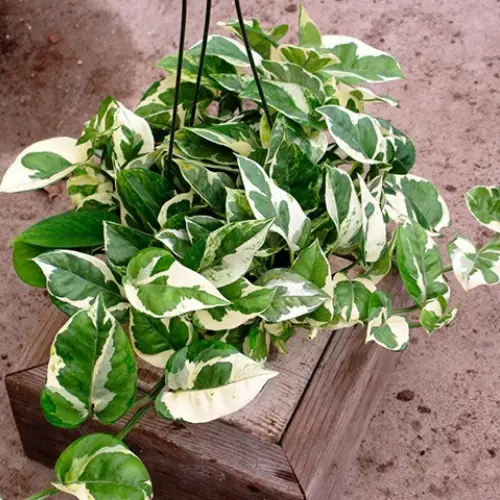
Marble Queen Pothos
Features beautiful white and green marbled variegation on each leaf. This elegant variety is slightly slower growing than Golden Pothos but equally hardy in tropical conditions.
Scindapsus pictus ‘Argyraeus’ (Satin Pothos)
Though technically a different genus, this close relative features dark green leaves with silvery-white spots. It’s sometimes called Silver Vine or Silver Pothos and grows beautifully in Malaysian humidity.
Essential Care Guide for Malaysian Climate
Light Requirements
Pothos thrives in bright, indirect light but tolerates low-light conditions remarkably well. In Malaysian homes:
- Ideal placement: Near east or north-facing windows with filtered light
- Avoid: Direct afternoon sun, which can scorch leaves
- Low light tolerance: Can survive in offices and bathrooms with minimal natural light
- Variegation tip: Brighter light maintains better variegation in Golden Queen and Marble Queen varieties
Temperature & Humidity
Pothos loves Malaysia’s tropical climate:
- Optimal temperature: 24-32°C (perfectly suited to Malaysian conditions)
- Humidity: Thrives in 60-90% humidity (typical Malaysian indoor humidity)
- Air conditioning: Tolerates air-conditioned rooms but keep away from direct cold air vents
- Outdoor growing: Can grow outdoors in shaded areas but protect from heavy monsoon rain
Watering Schedule
Proper watering is crucial for healthy pothos in our humid climate:
- Frequency: Water every 5-7 days, or when top 2-3cm of soil feels dry
- Method: Water thoroughly until water drains from bottom holes
- Monsoon season: Reduce watering frequency during heavy rain periods
- Air-conditioned rooms: May need more frequent watering due to lower humidity
- Warning signs: Wilting leaves indicate thirst; yellow leaves suggest overwatering
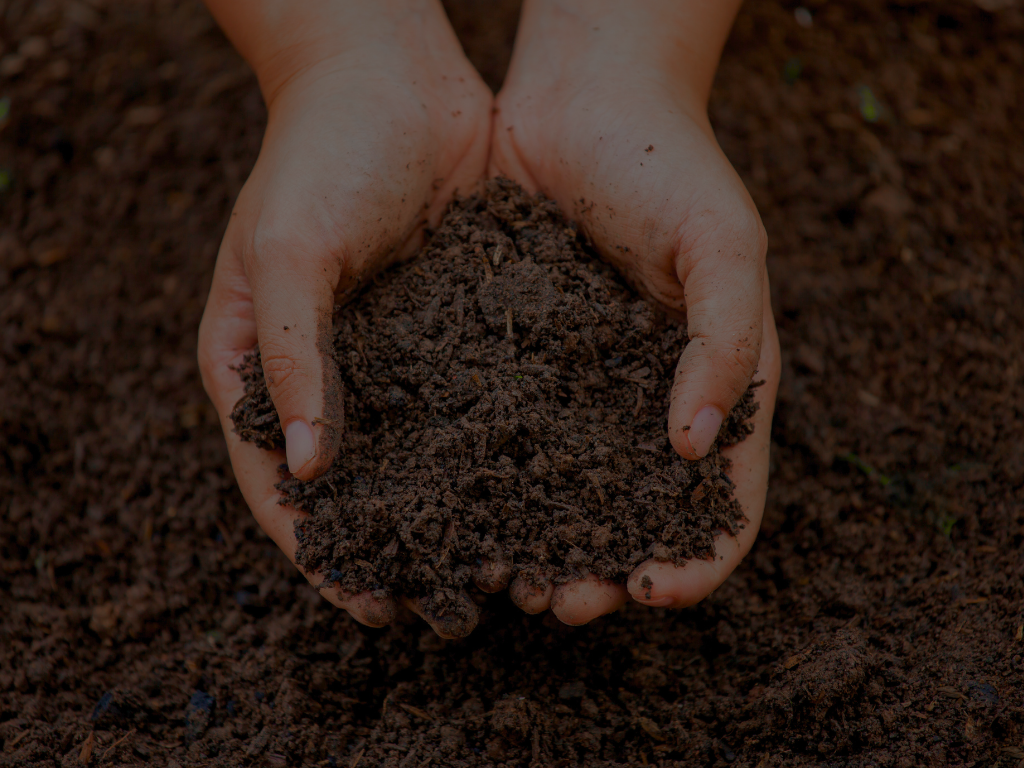
Soil & Potting Medium
Well-draining soil is essential to prevent root rot in Malaysia’s humid environment:
- Recommended mix: Use Serbajadi Organic Peat Moss or Serbajadi Multi-Purpose Compost
- Drainage: Ensure pots have drainage holes to prevent waterlogging
- Repotting: Repot every 1-2 years or when roots emerge from drainage holes
- Pot size: Choose pots 2-3cm larger than current size when repotting
Fertilizing
Regular feeding promotes lush, vibrant growth:
- Recommended fertilizer: Serbajadi Plant Food Organic Plus 23 Growing Fertilisers
- Frequency: Feed every 2-4 weeks during active growing season
- Monsoon season: Reduce feeding as heavy rain can wash away nutrients
- Application: Follow package instructions for proper dilution
Common Problems & Solutions
Yellow Leaves & Leaf Drop
Causes: Overwatering, poor drainage, or root rot
Solutions:
- Check soil moisture before watering
- Ensure proper drainage holes in pot
- Remove affected leaves
- Repot in fresh, well-draining medium if root rot is present
- Reduce watering frequency
Brown Leaf Edges & Spots
Causes: Underwatering or inconsistent watering
Solutions:
- Establish consistent watering schedule
- Check soil moisture regularly
- Increase watering frequency if needed
- Trim brown edges with clean scissors
Brown, Shriveled Leaf Tips
Causes: Low humidity (uncommon in Malaysia but possible in heavily air-conditioned spaces)
Solutions:
- Mist leaves occasionally
- Group plants together to increase local humidity
- Move away from direct air conditioning vents
- Use a pebble tray with water beneath the pot
Curled, Limp Leaves with Rotting Stems
Causes: Sudden temperature changes or cold drafts
Solutions:
- Keep away from air conditioning vents
- Maintain consistent temperature
- Remove rotted stems immediately
- Propagate healthy sections if damage is severe
Loss of Variegation
Causes: Insufficient light
Solutions:
- Move to brighter location with indirect light
- Prune solid green leaves to encourage variegated growth
- Ensure plant receives adequate light for its variety
Pest Management
Mealybugs
These white, cottony pests can appear in leaf joints and stems:
- Wipe off with cotton bud dipped in rubbing alcohol
- Spray affected areas with Serbajadi Neem Spray Extra Strength
- Isolate infected plants to prevent spread
- Repeat treatment weekly until eliminated
Scale Insects
Brown, shell-like pests that attach to stems and leaves:
- Scrape off with fingernail or damp cloth
- Apply Serbajadi Neem Spray Extra Strength
- Check regularly for new infestations
- Maintain plant health to prevent future attacks
Propagation Guide
Pothos is incredibly easy to propagate in Malaysia’s warm climate:
Water Propagation Method
- Cut 10-15cm stem sections below a node (where leaves attach)
- Remove lower leaves, keeping 2-3 leaves at top
- Place cuttings in clean water in bright, indirect light
- Change water every 3-4 days
- Roots develop in 2-3 weeks in Malaysian temperatures
- Transfer to soil once roots reach 5cm length
Soil Propagation Method
- Prepare cuttings as above
- Dip cut end in rooting hormone (optional)
- Plant directly in moist potting mix
- Keep soil consistently moist but not waterlogged
- Roots establish in 3-4 weeks
Training & Styling Your Pothos
Climbing Support
Train pothos to climb using:
- Moss poles or coco coir poles
- Trellises or wall-mounted supports
- Bamboo stakes for vertical growth
- Secure vines gently with soft ties
Trailing Display
For cascading growth:
- Use hanging baskets or elevated planters
- Allow vines to trail naturally
- Trim regularly to maintain desired length
- Rotate plant for even growth
Pruning Tips
- Prune anytime to control size and shape
- Cut just above a node to encourage branching
- Remove yellow or damaged leaves promptly
- Propagate pruned sections rather than discarding
Air-Purifying Benefits
Pothos earned its place on NASA’s list of air-purifying plants for its ability to remove common indoor pollutants including:
- Formaldehyde (from furniture and building materials)
- Benzene (from cleaning products)
- Xylene (from paints and solvents)
- Carbon monoxide
Place multiple pothos plants throughout your Malaysian home for improved indoor air quality, especially in air-conditioned spaces with limited ventilation.
Frequently Asked Questions
Is pothos safe for pets?
No, pothos (Epipremnum aureum) is toxic to cats and dogs if ingested. The plant contains calcium oxalate crystals that can cause oral irritation, drooling, vomiting, and difficulty swallowing. Keep pothos out of reach of pets or choose pet-safe alternatives.
How often should I water pothos in Malaysia?
In Malaysia’s tropical climate with high humidity, water your pothos every 5-7 days or when the top 2-3cm of soil feels dry. Adjust frequency based on your home’s air conditioning and ventilation. Always check soil moisture before watering to prevent overwatering.
Why are my pothos leaves turning yellow?
Yellow leaves on pothos typically indicate overwatering or poor drainage. In Malaysia’s humid climate, ensure your pot has drainage holes and allow soil to dry slightly between waterings. Yellow leaves can also signal root rot from waterlogged soil. Remove affected leaves and adjust your watering schedule.
Can pothos grow in low light conditions?
Yes, pothos tolerates low light but grows best in bright, indirect light. In Malaysian homes, place pothos near windows with filtered light or in well-lit rooms away from direct sun. Low light will slow growth and reduce variegation in varieties like Golden Pothos and Marble Queen.
How do I propagate pothos?
Propagate pothos by taking 10-15cm stem cuttings with at least 2-3 leaves. Place cuttings in water until roots develop (2-3 weeks), then transfer to potting soil. Malaysia’s warm temperatures (24-32°C) are ideal for propagation. You can also root cuttings directly in moist soil.
Conclusion
Pothos is the perfect indoor plant for Malaysian homes, combining easy care with beautiful foliage and air-purifying benefits. Whether you’re growing Golden Pothos, Marble Queen, or Satin Pothos, these adaptable plants thrive in our tropical climate with minimal maintenance. Follow this care guide, use quality products like Serbajadi Multi-Purpose Compost and Serbajadi Plant Food Organic Plus 23, and enjoy lush, cascading greenery throughout your home.
Ready to start your pothos collection? Visit Serbajadi’s online shop for all your pothos care essentials, from premium potting mixes to organic fertilizers specifically formulated for Malaysia’s tropical climate.