Peace Lily Care Guide: How to Grow Spathiphyllum Indoors
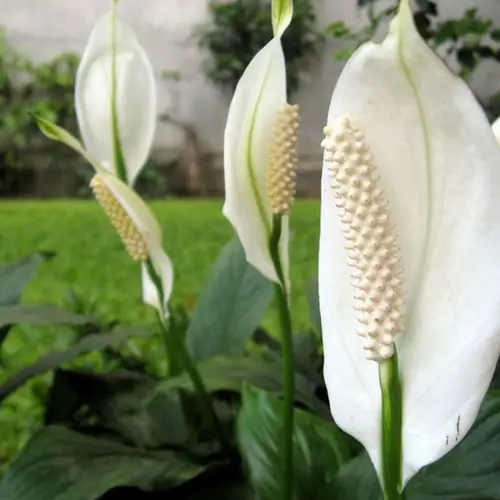
The Peace Lily (Spathiphyllum) is one of Malaysia’s most popular indoor plants—and for good reason. This elegant flowering houseplant thrives in our tropical climate, tolerates low light conditions, and is recognised by NASA as an effective air-purifying plant. With its glossy dark green leaves and distinctive white blooms, the Peace Lily brings natural beauty and cleaner air to Malaysian homes and offices.
Whether you’re growing Spathiphyllum wallisii, the compact Spathiphyllum wallisii ‘Petite’, or the larger Spathiphyllum ‘Mauna Loa’, this comprehensive care guide will help you maintain a thriving Peace Lily in Malaysia’s humid, tropical environment.
Peace Lily Plant Profile
Classification: Flowering houseplant (Araceae family)
Common Names: Peace Lily, Spathiphyllum
Key Features: Glossy green foliage, white spathe flowers, NASA-rated air purifier
Ideal Climate: Tropical (24-32°C with high humidity)
Pet Safety: Toxic to cats and dogs – contains calcium oxalate crystals
Popular Peace Lily Varieties in Malaysia
- Spathiphyllum ‘Mauna Loa’ – Large variety with abundant flowers, excellent air purifier
- Spathiphyllum wallisii – Standard Peace Lily, most common variety
- Spathiphyllum wallisii ‘Petite’ – Compact variety perfect for small spaces
Essential Peace Lily Care for Malaysian Climate
Light Requirements
Peace Lilies are ideal for Malaysian homes because they thrive in semi-shade to bright indirect light. They’re perfect for:
- Living rooms with filtered window light
- Office spaces with fluorescent lighting
- Bathrooms with natural light (they love humidity!)
- Shaded balconies or corridors
Important: Keep your Peace Lily away from direct sunlight, which will scorch the leaves and cause them to fade from vibrant dark green to pale yellow-green. If you notice leaf damage or fading colour, move the plant to a shadier location immediately.
Watering Guide for Tropical Conditions
In Malaysia’s humid climate (typically 70-90% humidity), Peace Lilies need consistent moisture management:
Watering Schedule:
- Check soil moisture every 2-3 days
- Water when the top 2-3cm of soil feels dry to touch
- Keep the growing medium consistently moist but never waterlogged
- During monsoon season, reduce watering frequency as humidity increases
Signs of Watering Problems:
- Overwatering: Leaves turn blackish-brown, especially at tips and edges; may develop root rot
- Underwatering: Leaves droop dramatically (though Peace Lilies recover quickly once watered)
Pro Tip: Peace Lilies are forgiving plants that visibly wilt when thirsty, making them excellent for beginner gardeners. Simply water thoroughly when you notice drooping, and the plant will perk up within hours.
Temperature & Humidity
Peace Lilies are perfectly suited to Malaysia’s tropical climate:
- Ideal Temperature: 24-32°C (typical Malaysian indoor conditions)
- Humidity: Thrives in 60-90% humidity (naturally available in Malaysian homes)
- Air Circulation: Ensure good airflow to prevent fungal issues during monsoon season
Soil & Potting Medium
Use a well-draining, moisture-retentive growing medium that suits tropical conditions:
- Serbajadi Organic Peat Moss – Excellent water retention with good drainage
- Serbajadi Multi-Purpose Compost – Nutrient-rich option for vigorous growth
Ensure your pot has drainage holes to prevent waterlogging, which is the primary cause of Peace Lily root rot in Malaysian conditions.
Fertilising Schedule
Peace Lilies are moderate feeders that benefit from regular fertilisation in tropical climates:
For Healthy Foliage:
Apply Growing Inducer 45 every 2-3 weeks to maintain vibrant dark green leaves and strong growth.
To Encourage Flowering:
Use Flowering Inducer 47 once monthly to stimulate the production of white spathe flowers.
During Monsoon Season: Reduce fertiliser frequency as heavy rains can cause nutrient washout. Consider using Controlled Release Fertiliser for consistent feeding despite weather conditions.
Repotting Requirements
Repot your Peace Lily annually to refresh the growing medium and provide space for root growth:
- Best Time: Early morning during dry weather
- Pot Size: Choose a container 2-5cm larger in diameter
- Fresh Medium: Use Serbajadi Organic Peat Moss or Multi-Purpose Compost
- Root Check: Inspect for root rot and trim any blackened roots
Troubleshooting Common Peace Lily Problems
Flowering Issues
Problem: Peace Lily won’t produce flowers
Cause: Insufficient light
Solution: Move the plant to a brighter location with indirect light. Apply Flowering Inducer 47 monthly to stimulate blooming.
Leaf Discolouration
Problem: Leaves turning blackish-brown
Cause: Overwatering or root rot
Solution: Reduce watering frequency, ensure proper drainage, and consider repotting with fresh medium if root rot is present.
Problem: Leaves fading to pale green or yellow
Cause: Too much direct light
Solution: Move to a shadier location immediately. Peace Lilies prefer filtered light.
Leaf Damage
Problem: Brown, crispy patches on leaves
Cause: Direct sunlight exposure
Solution: Relocate away from direct sun. Trim damaged leaves to encourage new growth.
Pest Management for Peace Lily
While Peace Lilies are relatively pest-resistant, Malaysia’s humid climate can attract certain insects:
Mealybugs
Identification: White, cottony masses on leaf undersides and stems
Treatment:
- Wipe off visible mealybugs with a damp cloth or cotton bud dipped in rubbing alcohol
- Spray thoroughly with GarNeem Spray
- Repeat treatment weekly until infestation clears
Spider Mites
Identification: Fine webbing on leaves, stippled yellow spots
Treatment:
- Increase humidity around the plant (spider mites thrive in dry conditions)
- Wipe leaves with a damp cloth
- Spray with GarNeem Spray
Prevention: Maintain consistent watering—spider mites attack water-stressed plants.
Aphids
Identification: Small green, black, or brown insects clustering on new growth
Treatment:
- Spray plant with high-pressure water to dislodge aphids
- Follow with GarNeem Spray application
- Repeat every 5-7 days if needed
Peace Lily as an Air-Purifying Plant
Peace Lilies earned their reputation as one of NASA’s top air-filtering plants through research conducted in the late 1980s. The NASA Clean Air Study found that Spathiphyllum effectively removes common indoor air pollutants including:
- Formaldehyde (from furniture and building materials)
- Benzene (from paints and plastics)
- Trichloroethylene (from cleaning products)
- Ammonia (from household cleaners)
- Xylene and Toluene (from adhesives and solvents)
For Malaysian homes, where indoor air quality can be affected by humidity, cooking fumes, and urban pollution, Peace Lilies provide natural air purification while adding aesthetic value.
Important Safety Warning: Peace Lily Toxicity
⚠️ Peace Lilies are TOXIC to pets and should be kept out of reach of cats and dogs.
All parts of the Peace Lily contain calcium oxalate crystals, which can cause:
- Oral irritation and burning sensation
- Excessive drooling
- Difficulty swallowing
- Vomiting
If you have pets, consider placing Peace Lilies on high shelves or in rooms pets cannot access. For pet-safe alternatives, consider plants like Spider Plants or certain Peperomia varieties.
Frequently Asked Questions
Why is my Peace Lily not flowering?
Peace Lilies need adequate indirect light to bloom. If your plant is in too dark a location, it won’t produce flowers. Move it to a brighter spot with filtered light and apply Flowering Inducer 47 monthly to stimulate blooming.
How often should I water my Peace Lily in Malaysia?
In Malaysia’s tropical climate, check your Peace Lily every 2-3 days. Water when the top inch of soil feels dry, keeping the medium consistently moist but never waterlogged. Overwatering causes blackish-brown leaves and root rot.
Are Peace Lilies safe for pets?
No, Peace Lilies (Spathiphyllum) are toxic to cats and dogs. They contain calcium oxalate crystals that can cause oral irritation, drooling, and digestive upset if ingested. Keep them out of reach of pets.
Why are my Peace Lily leaves turning yellow?
Yellow leaves typically indicate overwatering or poor drainage. Ensure your pot has drainage holes and reduce watering frequency. If leaves fade to pale green or yellow, the plant may be receiving too much direct light—move it to a shadier location.
What is the best fertiliser for Peace Lily in Malaysia?
Use Growing Inducer 45 every 2-3 weeks for healthy foliage growth. To encourage flowering, apply Flowering Inducer 47 once monthly. These fertilisers are formulated for tropical conditions and provide balanced nutrition for Peace Lilies.
Start Growing Your Peace Lily Today
Peace Lilies are among the most rewarding indoor plants for Malaysian homes—they’re forgiving, beautiful, and functional as air purifiers. With proper care adapted to our tropical climate, your Spathiphyllum will reward you with glossy foliage and elegant white blooms year-round.
Need supplies for your Peace Lily? Visit Serbajadi’s online shop for premium growing media, fertilisers, and organic pest control solutions formulated specifically for Malaysia’s tropical conditions.