How to Grow Syngonium: Complete Care Guide for Malaysia
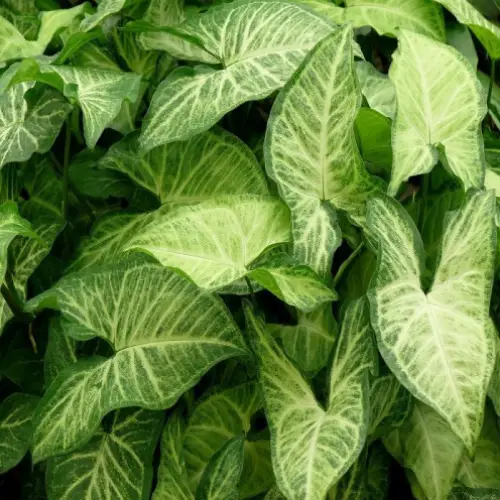
Syngonium, commonly known as arrowhead plant or goosefoot plant, is one of Malaysia’s most popular indoor foliage plants. With its attractive arrow-shaped leaves and easy-going nature, this climbing beauty thrives in our tropical climate (24-32°C) with minimal fuss. Whether you’re a beginner or experienced gardener, this comprehensive guide will help you grow lush, healthy Syngonium plants year-round.
About Syngonium Plants
Classification: Foliage houseplant
Plant Group: Climbers & trailing plants
Character: Attractive climbing plant with arrow-shaped leaves
Safe for Pets: No – contains calcium oxalate crystals toxic to cats and dogs
Popular Syngonium Varieties in Malaysia
- Syngonium podophyllum (Nephthytis podophyllum) – Classic arrowhead vine with green leaves
- Syngonium podophyllum ‘Emerald Gem’ – Deep green glossy foliage
- Syngonium podophyllum ‘Green Gold’ – Green leaves with golden-yellow variegation
- Syngonium podophyllum ‘Imperial White’ – Stunning white and green variegated leaves
- Syngonium angustatum – Narrow-leaved variety
- Syngonium auritum – Large-leaved climbing species
Essential Syngonium Care Requirements
Light Requirements
Syngonium plants prefer bright, indirect light or semi-shade conditions. In Malaysia’s intense tropical sun, place your plant near east or north-facing windows where it receives filtered morning light. Direct afternoon sunlight can scorch the delicate leaves, causing brown patches and fading variegation.
While Syngonium can tolerate lower light conditions, growth will slow and variegated varieties may lose their distinctive patterns. If leaves become leggy or pale, move the plant to a brighter location.
Watering Guide for Malaysia’s Climate
Proper watering is crucial for healthy Syngonium growth. Keep the planting medium consistently moist but never waterlogged. In Malaysia’s humid environment (humidity often exceeding 80%), check the soil moisture before watering:
- During dry periods: Water when the top 2-3cm of soil feels dry to touch
- During monsoon season: Reduce watering frequency as humidity increases
- Indoor air-conditioned spaces: May require more frequent watering due to lower humidity
Always use pots with drainage holes to prevent water accumulation, which can lead to root rot.
Temperature & Humidity
Syngonium thrives in Malaysia’s average warmth (24-32°C), making it perfectly suited to our tropical climate. These plants appreciate high humidity levels, which our natural environment provides. For indoor plants in air-conditioned rooms, consider:
- Grouping plants together to create a humid microclimate
- Placing pots on pebble trays filled with water
- Misting leaves occasionally (avoid during evening to prevent fungal issues)
Soil & Potting Medium
Syngonium requires well-draining, moisture-retentive soil. Use high-quality potting mix such as:
- Serbajadi Organic Peat Moss – Excellent water retention with good aeration
- Serbajadi Multi-Purpose Compost – Nutrient-rich blend perfect for foliage plants
For improved drainage, especially during monsoon season, mix in Perlite at a ratio of 1 part perlite to 3 parts potting mix.
Fertilizing Your Syngonium
Regular feeding promotes lush, vibrant foliage growth. Apply Serbajadi Plant Food Organic Plus 23 Growing Fertilisers every 2-3 weeks during the active growing season.
This balanced organic fertilizer provides essential nutrients without the risk of chemical burn. During Malaysia’s monsoon season (November to March), reduce fertilizing frequency to once monthly as plant growth naturally slows.
Repotting Schedule
Repot your Syngonium every 2 years or when you notice:
- Roots growing through drainage holes
- Water running straight through the pot without absorption
- Stunted growth despite proper care
- Soil breaking down and becoming compacted
Choose a pot 2-5cm larger in diameter and refresh the soil completely with Serbajadi Organic Peat Moss or Serbajadi Multi-Purpose Compost.
Common Syngonium Problems & Solutions
Leaf Issues
Dropped or Shrivelled Leaves: This indicates underwatering. Increase watering frequency and ensure the soil doesn’t dry out completely between waterings. In air-conditioned rooms, plants may need more frequent watering.
Brown, Shrivelled Leaves: Chemical damage from over-fertilization or contaminated water. Flush the soil with clean water and reduce fertilizer concentration. Use rainwater or filtered water if your tap water is heavily chlorinated.
Yellow Leaves: Can indicate either overwatering or nutrient deficiency. Check soil moisture first – if soggy, improve drainage and reduce watering. If soil is appropriate, feed with Serbajadi Plant Food Organic Plus 23.
Leggy Growth: Insufficient light causes stems to stretch. Move the plant to a brighter location with indirect light.
Pest Management
While Syngonium is relatively pest-resistant, Malaysia’s humid climate can attract certain insects:
Mealybugs: White, cottony clusters on stems and leaf joints. Wipe off with a cotton bud dipped in rubbing alcohol, then spray with Serbajadi Natural Neem Spray. For severe infestations, use Serbajadi Extra Strength Neem Spray.
Spider Mites: Tiny pests causing fine webbing and stippled leaves. These thrive on water-stressed plants. Increase humidity, wipe leaves with a damp cloth, and spray with Serbajadi Natural Neem Spray. Regular watering prevents most spider mite attacks.
Scale Insects: Brown, shell-like bumps on stems and leaves. Scrape off gently with a cotton bud, then treat with Serbajadi Natural Neem Spray.
Prevention Tip: Inspect new plants thoroughly before bringing them near your existing collection. Quarantine new arrivals for 1-2 weeks to monitor for pests.
Propagating Syngonium
Syngonium is one of the easiest houseplants to propagate, making it perfect for sharing with friends or expanding your collection:
- Select a healthy stem: Choose a stem with 2-3 nodes (the bumps where leaves emerge)
- Make the cut: Use clean, sharp scissors to cut just below a node
- Remove lower leaves: Strip leaves from the bottom half of the cutting
- Root in water or soil: Place in a glass of water or directly in moist Serbajadi Multi-Purpose Compost
- Boost rooting: For faster results, dip the cut end in Serbajadi Rooting Powder before planting
- Wait for roots: Roots typically develop within 2-3 weeks in Malaysia’s warm climate
- Transplant: Once roots reach 5cm long, transplant to a permanent pot
Training Your Syngonium
As a natural climber, Syngonium can be trained in different ways:
- Climbing: Provide a moss pole or trellis for upward growth. Mature climbing plants develop larger, more dramatic leaves
- Trailing: Allow stems to cascade from hanging baskets for a lush, flowing effect
- Bushy: Regularly pinch back growing tips to encourage branching and create a fuller plant
Seasonal Care Tips for Malaysia
Dry Season (March-October):
- Water more frequently as soil dries faster
- Monitor for spider mites which thrive in dry conditions
- Fertilize every 2-3 weeks for active growth
Monsoon Season (November-February):
- Reduce watering frequency due to increased humidity
- Ensure excellent drainage to prevent root rot
- Reduce fertilizing to once monthly
- Watch for fungal issues in poorly ventilated areas
Frequently Asked Questions
Is Syngonium safe for pets?
No, Syngonium plants are not safe for pets. They contain calcium oxalate crystals that can cause irritation and discomfort if ingested by cats or dogs. Keep Syngonium plants out of reach of pets and children.
Why are my Syngonium leaves turning yellow?
Yellow leaves on Syngonium typically indicate overwatering or underwatering. Check the soil moisture – if it’s soggy, reduce watering and ensure proper drainage. If the soil is bone dry, increase watering frequency. Yellow leaves can also result from nutrient deficiency; fertilize with Serbajadi Plant Food Organic Plus 23 every 2-3 weeks.
How much light does Syngonium need?
Syngonium thrives in bright, indirect light or semi-shade conditions. In Malaysia’s tropical climate, place them near east or north-facing windows where they receive filtered sunlight. Avoid direct afternoon sun which can scorch the leaves. They can tolerate lower light but growth will slow and variegation may fade.
How do I propagate Syngonium?
Syngonium is easy to propagate through stem cuttings. Cut a 10-15cm stem section with at least 2-3 nodes, remove lower leaves, and place in water or directly in moist Serbajadi Multi-Purpose Compost. Roots typically develop within 2-3 weeks. For faster rooting, dip the cut end in Serbajadi Rooting Powder before planting.
How often should I repot my Syngonium?
Repot your Syngonium every 2 years or when roots start growing through drainage holes. Use fresh Serbajadi Organic Peat Moss or Serbajadi Multi-Purpose Compost for best results. Choose a pot 2-5cm larger in diameter than the current one. Spring is the ideal time for repotting in Malaysia.
Conclusion
Syngonium is an ideal houseplant for Malaysian homes, combining stunning foliage with easy care requirements. By following these guidelines – providing bright indirect light, consistent moisture, regular feeding with Serbajadi Plant Food Organic Plus 23, and monitoring for pests – you’ll enjoy lush, healthy arrowhead plants year-round.
Whether you’re growing classic green varieties or eye-catching variegated cultivars, Syngonium adapts beautifully to our tropical climate and rewards minimal effort with maximum beauty. Start your Syngonium journey today and transform your indoor space into a lush tropical oasis!