How to Grow Kalanchoe in Malaysia: Complete Care Guide
Kalanchoe is one of Malaysia’s most rewarding flowering succulents, offering vibrant blooms that last for weeks with minimal care. These cheerful plants thrive in our tropical climate when given the right conditions. Whether you’re growing Kalanchoe indoors or on your balcony, this comprehensive guide will help you achieve healthy plants with abundant flowers year-round.
Understanding Kalanchoe: The Perfect Tropical Succulent
Plant Classification: Flowering succulent houseplant and container plant
Growth Habit: Compact, bushy plant
Key Features: Long-lasting flower clusters (4-8 weeks), thick succulent leaves, low maintenance requirements
Pet Safety: Toxic to cats and dogs – keep out of reach of pets
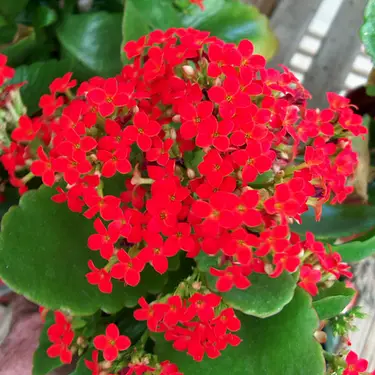
Kalanchoe plants are beloved for their clusters of small, vibrant flowers in shades of red, pink, orange, yellow, and white. The thick, glossy leaves store water, making them naturally drought-tolerant—ideal for Malaysia’s variable weather patterns.
Popular Kalanchoe Varieties for Malaysian Gardens
Kalanchoe blossfeldiana Varieties
The most common species, Kalanchoe blossfeldiana, offers numerous cultivars perfect for Malaysian conditions:
- Kalanchoe blossfeldiana ‘Bali’ – Compact growth with vibrant blooms
- Kalanchoe blossfeldiana ‘Compact Lilliput’ – Miniature variety ideal for small spaces
- Kalanchoe blossfeldiana ‘Fortyniner’ – Large flower heads in brilliant colors
- Kalanchoe blossfeldiana ‘Margarethe’ – Classic variety with reliable flowering
- Kalanchoe blossfeldiana ‘Mistral’ – Heat-tolerant with extended bloom period
- Kalanchoe blossfeldiana ‘Tarantella’ – Cascading habit perfect for hanging baskets
- Kalanchoe blossfeldiana ‘Tom Thumb’ – Dwarf variety for desktop gardens
- Kalanchoe blossfeldiana ‘Vesuvius’ – Striking red-orange flowers
Kalanchoe manginii Varieties
These trailing varieties produce bell-shaped flowers, perfect for hanging displays:
- Kalanchoe manginii – Original species with coral-red blooms
- Kalanchoe manginii ‘Shinano’ – Japanese cultivar with abundant flowers
- Kalanchoe manginii ‘Tessa’ – Popular trailing variety with orange-red bells
- Kalanchoe manginii ‘Wendy’ – Compact trailing form with pink flowers
Essential Kalanchoe Care for Malaysia’s Tropical Climate
Temperature Requirements
Kalanchoe thrives in Malaysia’s warm temperatures of 24-32°C. These succulents prefer consistent warmth and will grow actively year-round in our climate. Avoid placing them in air-conditioned rooms below 18°C, as cold stress can cause leaf drop and inhibit flowering.
Light Requirements
Provide bright, indirect light for optimal growth and flowering. In Malaysia:
- Best placement: East-facing or west-facing windows
- Indoor growing: 4-6 hours of bright, filtered light daily
- Outdoor growing: Morning sun with afternoon shade
- Avoid: Direct midday sun (11am-3pm) which can scorch leaves in our intense tropical heat
Insufficient light results in leggy growth and poor flowering. If your Kalanchoe isn’t blooming, inadequate light is often the culprit.
Watering Guide for Tropical Conditions
Proper watering is crucial for Kalanchoe success in Malaysia’s humid climate:
Watering Technique:
- Water thoroughly until water drains from the bottom
- Allow the top 2-3cm of soil to dry completely between waterings
- Empty saucers after watering to prevent waterlogging
- Water less frequently during monsoon season when humidity is naturally high
Seasonal Adjustments:
- Dry season: Water every 5-7 days
- Monsoon season: Water every 10-14 days or when soil is dry
- Air-conditioned environments: May need more frequent watering due to lower humidity
Warning: Overwatering is the primary cause of Kalanchoe failure in Malaysia. Our high humidity means these succulents need less water than care guides written for temperate climates suggest.
Soil and Repotting
Kalanchoe requires excellent drainage to prevent root rot in our humid climate:
Ideal Soil Mix: Well-draining succulent or cactus mix. For best results, use:
- Serbajadi Organic Peat Moss – Provides excellent drainage while retaining appropriate moisture
- Serbajadi Multi-Purpose Compost – Nutrient-rich option for vigorous growth
Repotting Schedule:
- Repot annually in fresh soil to prevent compaction and refresh nutrients
- Best time: Early in the growing season (February-March)
- Choose pots with drainage holes – essential in tropical climates
- Select containers only slightly larger than the current pot
Fertilizing for Abundant Blooms
Regular feeding encourages healthy foliage and prolific flowering:
Recommended Fertilizer: Serbajadi Plant Food Organic Plus 23 Growing Fertilisers (750gm)
Feeding Schedule:
- Apply every 4-6 weeks during active growth
- Reduce feeding during monsoon season when growth naturally slows
- Avoid over-fertilizing, which can cause excessive leaf growth at the expense of flowers
- Always water before fertilizing to prevent root burn
Humidity Considerations
Malaysia’s natural humidity of 70-90% is generally suitable for Kalanchoe. However, ensure good air circulation to prevent fungal issues. Avoid misting—Kalanchoe’s succulent leaves don’t require additional moisture and wet foliage can encourage disease.
Common Kalanchoe Problems and Solutions
Root Rot (Black, Soggy Stem Base)
Cause: Overwatering or poor drainage, especially common during monsoon season
Solution:
- Remove plant from pot and inspect roots
- Cut away all black, mushy roots and stems with sterilized scissors
- Allow plant to dry for 24 hours
- Repot in fresh, well-draining soil
- Reduce watering frequency
- Ensure pot has adequate drainage holes
Leggy Growth
Cause: Insufficient light
Solution:
- Move to a brighter location
- Prune leggy stems to encourage bushier growth
- Propagate stem cuttings to start fresh, compact plants
No Flowers
Causes: Inadequate light, over-fertilizing with nitrogen, or lack of rest period
Solution:
- Ensure 4-6 hours of bright, indirect light daily
- Switch to a balanced or bloom-boosting fertilizer
- Kalanchoe needs long nights (12-14 hours of darkness) to set buds—avoid artificial lighting at night
Leaf Drop
Causes: Temperature stress, overwatering, or sudden environmental changes
Solution:
- Maintain consistent temperatures above 18°C
- Avoid placing near air-conditioning vents
- Check watering practices
- Acclimate plants gradually to new locations
Pest Management for Kalanchoe
Aphids
Identification: Small, soft-bodied insects clustering on new growth and flower buds
Treatment:
- Spray plant with high-pressure water to dislodge aphids
- Apply Serbajadi Neem Spray Extra Strength
- Repeat treatment every 7 days until infestation is controlled
Mealybugs
Identification: White, cottony masses in leaf axils and on stems
Treatment:
- Wipe off visible mealybugs with a cotton bud dipped in rubbing alcohol
- Spray entire plant with Serbajadi Neem Spray Extra Strength
- Inspect weekly and repeat treatment as needed
- Isolate affected plants to prevent spread
Scale Insects
Identification: Brown, shell-like bumps on stems and leaves
Treatment:
- Scrape off scales gently with a damp cloth or soft brush
- Wipe affected areas with rubbing alcohol on a cotton bud
- Spray with Serbajadi Neem Spray Extra Strength
- Monitor closely and retreat every 5-7 days for 3 weeks
Prevention Tips:
- Inspect new plants before bringing them near existing collections
- Maintain good air circulation
- Avoid overcrowding plants
- Keep foliage dry to discourage pest establishment
Propagating Kalanchoe
Kalanchoe is remarkably easy to propagate, making it simple to expand your collection or share with friends:
Stem Cutting Method
- Cut a healthy 8-10cm stem section with several leaves
- Remove lower leaves, leaving 2-3 pairs at the top
- Allow cutting to dry for 24-48 hours to callus over
- Insert into well-draining soil mix
- Water lightly and place in bright, indirect light
- Roots develop in 2-3 weeks
Leaf Cutting Method
- Remove a healthy leaf with a clean twist
- Allow to dry for 24 hours
- Place on top of moist soil
- New plantlets emerge from the leaf base in 3-4 weeks
Encouraging Reblooming
After flowering, encourage your Kalanchoe to bloom again:
- Deadhead spent flowers: Remove faded blooms and flower stalks
- Provide rest period: Reduce watering slightly for 4-6 weeks
- Ensure long nights: 12-14 hours of darkness daily for 6 weeks triggers new buds
- Resume regular care: Once buds appear, return to normal watering and feeding
- Maintain bright light: Consistent light is essential for bud development
Frequently Asked Questions
How often should I water Kalanchoe in Malaysia?
Water your Kalanchoe when the top 2-3cm of soil feels dry to the touch. In Malaysia’s humid climate, this typically means watering every 7-10 days during dry periods, and less frequently during monsoon season. Always check soil moisture before watering, as overwatering is the most common cause of Kalanchoe problems in tropical climates.
Why is my Kalanchoe not flowering?
Kalanchoe needs adequate light and proper nutrition to flower. Ensure your plant receives bright, indirect light for at least 4-6 hours daily. Feed with Serbajadi Plant Food Organic Plus 23 during the growing season. Kalanchoe also requires short day lengths (long nights) to trigger flowering, which naturally occurs in Malaysia’s consistent day-night cycle.
Is Kalanchoe safe for pets?
No, Kalanchoe is toxic to cats and dogs. The plant contains cardiac glycosides that can cause vomiting, diarrhea, and in severe cases, heart rhythm abnormalities if ingested. Keep Kalanchoe plants out of reach of pets and children.
What causes black, soggy stems on my Kalanchoe?
Black, soggy stems indicate root rot caused by overwatering or poor drainage. This is especially common in Malaysia during monsoon season. Remove affected parts immediately, reduce watering, and ensure your pot has drainage holes. Consider repotting in fresh, well-draining soil using Serbajadi Organic Peat Moss or Multi-Purpose Compost.
How do I control pests on Kalanchoe?
Common Kalanchoe pests include aphids, mealybugs, and scale insects. For aphids, spray the plant with high-pressure water, then apply Serbajadi Neem Spray Extra Strength. For mealybugs and scale, wipe them off with a damp cloth or cotton bud dipped in rubbing alcohol, then spray with Serbajadi Neem Spray Extra Strength for complete control.
Conclusion
Kalanchoe is an ideal choice for Malaysian gardeners seeking colorful, low-maintenance plants that thrive in our tropical climate. With proper light, careful watering adjusted for our monsoon seasons, and occasional feeding with quality fertilizers like Serbajadi Plant Food Organic Plus 23, your Kalanchoe will reward you with months of vibrant blooms. Remember that in Malaysia’s humid environment, less water is often more—allowing the soil to dry between waterings is key to preventing the root rot that plagues many tropical succulent growers.
Start your Kalanchoe journey today and enjoy one of the most rewarding flowering succulents for Malaysian homes and gardens!