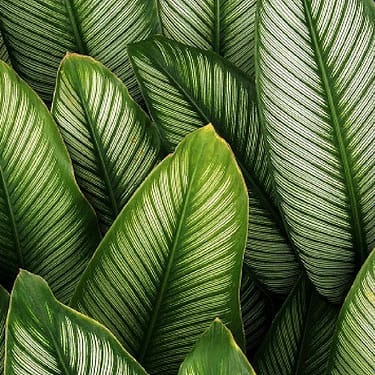
How to Grow Calathea in Malaysia: Complete Care Guide
Calathea plants, often called prayer plants for their unique leaf movements, are among the most stunning foliage houseplants you can grow in Malaysia. With their ornately patterned leaves featuring stripes, spots, and vibrant colours, these tropical beauties thrive in our warm, humid climate when given proper care.
Whether you’re growing the popular Rattlesnake Plant (Calathea lancifolia) or the elegant Peacock Plant (Calathea makoyana), this comprehensive guide will help you master Calathea care in Malaysian conditions.
Understanding Calathea: The Living Prayer Plant
Classification: Ornamental foliage houseplant
Growth Habit: Bushy to upright, depending on variety
Special Feature: Leaves fold upward at night (nyctinasty movement)
Pet Safety: Yes, completely non-toxic to cats and dogs
Origin: Tropical Americas
Calathea plants are prized for their spectacular foliage patterns and their fascinating behaviour—their leaves rise and fold at night, then open again at dawn, accompanied by a gentle rustling sound. This movement is controlled by a small joint at the base of each leaf called the pulvinus.
Popular Calathea Varieties for Malaysian Homes
Malaysia’s tropical climate (24-32°C with high humidity) is ideal for growing various Calathea species:
- Calathea lancifolia (Rattlesnake Plant) – Lance-shaped leaves with dark green patterns
- Calathea makoyana (Peacock Plant) – Translucent leaves with feather-like markings
- Calathea ornata – Dark leaves with pink or white pinstripes
- Calathea zebrina (Zebra Plant) – Bold zebra-stripe patterns on velvety leaves
- Calathea roseopicta – Round leaves with rose-coloured patterns
- Calathea crocata – Unique variety that produces orange flowers
- Calathea maui queen – Compact variety with cream and green variegation
- Calathea veitchiana – Large leaves with dramatic dark markings
Note: Many Calathea species have recently been reclassified under the genus Goeppertia, though they’re still commonly sold as Calathea.
Essential Calathea Care Requirements
Light Requirements
Calathea plants prefer bright, indirect light but can tolerate lower light conditions. In Malaysian homes:
- Place near north or east-facing windows for gentle morning light
- Keep 1-2 metres away from south or west-facing windows
- Use sheer curtains to filter intense afternoon sun
- Avoid direct sunlight, which will fade leaf patterns and cause brown, scorched patches
- Suitable for office environments with fluorescent lighting
Temperature
Ideal temperature range: 18-27°C
Malaysia’s consistent warmth is perfect for Calathea. However, be mindful of:
- Air-conditioned rooms that drop below 18°C at night
- Cold drafts from air conditioning vents
- Sudden temperature fluctuations
Humidity Requirements
This is crucial for Calathea success. They need 60-80% humidity.
Malaysia’s natural humidity helps, but air-conditioned spaces can be too dry. Boost humidity by:
- Misting leaves daily with filtered water (avoid tap water spots)
- Placing pots on pebble trays filled with water
- Grouping plants together to create a humid microclimate
- Using a humidifier in air-conditioned rooms
- Keeping plants in naturally humid areas like bathrooms (with adequate light)
Watering Guide
Proper watering is critical for healthy Calathea:
- Frequency: Water every 3-5 days in Malaysia’s climate, or when the top 2-3cm of soil feels slightly dry
- Water quality: Use filtered water, rainwater, or tap water left overnight to dissipate chlorine. Calathea is sensitive to fluoride and chlorine
- Temperature: Use room-temperature water to avoid shocking roots
- Method: Water thoroughly until it drains from the bottom, then empty the saucer
- Consistency: Keep soil evenly moist but never waterlogged
Important: During Malaysia’s monsoon season, reduce watering frequency as humidity increases and evaporation decreases.
Soil and Potting Mix
Calathea needs well-draining yet moisture-retentive soil. Create the ideal mix using:
- Serbajadi Organic Peat Moss (40%) – for moisture retention and acidity
- Serbajadi Multi-Purpose Compost (40%) – for nutrients and structure
- Perlite or coarse sand (20%) – for drainage and aeration
Alternatively, use Serbajadi Potting Soil amended with extra peat moss for moisture-loving Calathea.
Fertilizing Schedule
Calathea are light feeders with sensitive roots:
- Fertilize monthly during the growing season (March-October in Malaysia)
- Use Serbajadi Plant Food Organic Plus 23 at half the recommended strength
- Reduce feeding to every 6-8 weeks during slower growth periods
- Always water before fertilizing to prevent root burn
- Flush soil every 3 months to prevent salt buildup
Repotting
Repot your Calathea every 2 years or when roots appear through drainage holes:
- Best timing: Early morning during the cooler months (March-April)
- Pot size: Choose a container 2-5cm larger in diameter
- Drainage: Ensure pots have adequate drainage holes
- Fresh medium: Replace old soil with fresh Serbajadi Organic Peat Moss or Serbajadi Multi-Purpose Compost
- Division: This is an excellent time to propagate by dividing the root ball
Common Calathea Problems and Solutions
Brown, Crispy Leaf Tips
Causes:
- Low humidity (most common in air-conditioned rooms)
- Fluoride or chlorine in tap water
- Underwatering
- Salt buildup from over-fertilizing
Solutions:
- Increase humidity using methods mentioned above
- Switch to filtered or rainwater
- Water more consistently
- Flush soil with distilled water to remove salt buildup
- Trim brown tips with clean scissors at an angle
Curled and Spotted Leaves with Yellow Lower Leaves
Cause: Underwatering
Solutions:
- Check soil moisture more frequently
- Establish a consistent watering schedule
- Ensure water reaches the entire root ball
- Consider using a moisture meter for accuracy
Leaf Fall
Causes:
- Low humidity
- Inconsistent watering (both under and overwatering)
- Temperature stress
Solutions:
- Stabilize environmental conditions
- Maintain consistent humidity above 60%
- Keep away from air conditioning vents and cold drafts
Limp, Rotting Stems
Cause: Overwatering and poor drainage
Solutions:
- Check drainage holes aren’t blocked
- Reduce watering frequency
- Repot into fresh, well-draining soil
- Remove affected stems with sterile scissors
- Ensure pot isn’t sitting in water
Faded, Discoloured, or Scorched Leaves
Cause: Too much direct sunlight
Solutions:
- Move plant to a shadier location
- Use sheer curtains to filter light
- Rotate plant weekly for even growth
- Damaged leaves won’t recover—trim if desired
Stunted Growth
Causes:
- Spider mites (check undersides of leaves)
- Low humidity
- Nutrient deficiency
- Root-bound conditions
Solutions:
- Inspect for pests and treat accordingly
- Increase humidity levels
- Resume regular fertilizing schedule
- Repot if roots are crowded
Pest Management for Calathea
Spider Mites
The most common Calathea pest, especially in dry conditions.
Signs: Fine webbing, stippled leaves, tiny moving dots on leaf undersides
Treatment:
- Wipe leaves with a damp cloth
- Spray with Serbajadi Neem Spray Extra Strength
- Increase humidity (spider mites hate moisture)
- Isolate affected plants
- Repeat treatment every 5-7 days for 3 weeks
Prevention: Regular misting and maintaining high humidity
Aphids
Signs: Clusters of small green, black, or brown insects on new growth
Treatment:
- Spray plant with high-pressure water to dislodge
- Follow with Serbajadi Neem Spray Extra Strength
- Repeat every 3-5 days until eliminated
Mealybugs
Signs: White, cottony masses in leaf axils and on stems
Treatment:
- Remove visible bugs with cotton buds dipped in rubbing alcohol
- Spray entire plant with Serbajadi Neem Spray Extra Strength
- Check weekly and retreat as needed
Scale Insects
Signs: Brown, oval bumps on stems and leaf undersides
Treatment:
- Scrape off scales with a damp cloth or old toothbrush
- Apply Serbajadi Neem Spray Extra Strength
- Monitor closely for several weeks
Propagating Calathea
The easiest method to propagate Calathea is through division during repotting:
- Remove the plant from its pot in early morning
- Gently separate the root ball into 2-3 sections, ensuring each has healthy roots and several leaves
- Plant each division in fresh potting mix
- Water thoroughly and place in high humidity
- Keep soil consistently moist for the first month
- Avoid fertilizing for 6-8 weeks to allow root establishment
Calathea Care Tips for Malaysian Climate
- Monsoon season: Reduce watering frequency but maintain humidity through misting
- Hot, dry periods: Increase watering and misting frequency
- Air-conditioned spaces: Use humidifiers and group plants together
- Outdoor placement: Only in fully shaded, protected areas with no direct sun exposure
- Dust management: Wipe leaves monthly with a damp cloth to keep pores clear and patterns vibrant
- Water quality: Collect rainwater during monsoon season for the best results
Why Choose Calathea for Your Malaysian Home?
- Air purification: Removes toxins and improves indoor air quality
- Pet-friendly: Completely safe for curious cats and dogs
- Low light tolerance: Perfect for Malaysian apartments with limited natural light
- Living art: Stunning foliage patterns add visual interest without flowers
- Natural humidifier: Releases moisture through transpiration
- Unique movement: Fascinating prayer plant behaviour entertains and educates
- Climate compatibility: Thrives in our tropical warmth and humidity
Frequently Asked Questions
Are Calathea plants safe for pets?
Yes, Calathea plants are non-toxic and safe for cats, dogs, and other household pets. This makes them an excellent choice for Malaysian homes with furry family members.
Why are my Calathea leaves turning brown at the tips?
Brown, crispy leaf tips are usually caused by low humidity, underwatering, or tap water containing fluoride and chlorine. Increase humidity levels, water more consistently, and switch to filtered or rainwater to resolve this issue.
How often should I water my Calathea in Malaysia?
In Malaysia’s tropical climate, water your Calathea every 3-5 days, or when the top 2-3cm of soil feels slightly dry. Frequency depends on humidity, pot size, and air conditioning. Keep soil consistently moist but never soggy.
Can Calathea survive in low light conditions?
Yes, Calathea can tolerate low to medium light, making them ideal for Malaysian apartments and offices. However, they thrive best in bright, indirect light. Avoid direct sunlight which will fade their beautiful leaf patterns and cause scorching.
Why do Calathea leaves curl up?
Leaf curling is typically a sign of underwatering or low humidity. Calathea leaves naturally fold up at night (prayer plant movement), but if they stay curled during the day, increase watering frequency and boost humidity levels around the plant.
Final Thoughts
Growing Calathea in Malaysia is rewarding when you understand their needs. These stunning prayer plants bring tropical elegance to any indoor space while thriving in our warm, humid climate. With proper attention to humidity, water quality, and light conditions, your Calathea will reward you with vibrant, patterned foliage and fascinating nightly leaf movements.
Remember: consistency is key. Establish a routine for watering, misting, and monitoring, and your Calathea will flourish as a beautiful, pet-safe addition to your Malaysian home.
For all your Calathea care needs, visit Serbajadi’s online shop for premium potting mixes, organic fertilizers, and pest control solutions specially formulated for Malaysia’s tropical climate.