How to Grow Monstera in Malaysia: Complete Care Guide
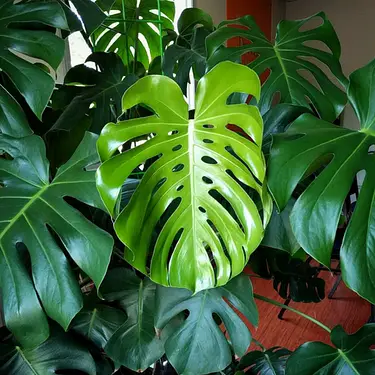
The Monstera deliciosa, commonly known as the Swiss cheese plant or split-leaf philodendron, has become one of Malaysia’s most beloved indoor plants. With its dramatic perforated leaves and easy-going nature, this tropical climber thrives in our warm, humid climate. Whether you’re a beginner or experienced gardener, this comprehensive guide will help you grow stunning Monstera plants in Malaysian homes.
About Monstera Plants
Classification: Foliage houseplant
Plant Group: Climbers and trailing plants
Distinctive Feature: Perforated and deeply cut leaves (fenestrations)
Safe for Pets: No – toxic to cats and dogs
Popular Monstera Varieties
- Monstera deliciosa (Swiss cheese plant, split-leaf philodendron) – The classic variety with large, deeply fenestrated leaves
- Monstera deliciosa variegata – Stunning variegated form with white or cream patterns on leaves
Essential Monstera Care for Malaysian Climate
Malaysia’s tropical conditions (24-32°C with high humidity) are naturally ideal for Monstera plants, which originate from similar rainforest environments. Here’s how to optimize care for our local climate:
Temperature Requirements
Monstera thrives in average warmth, making Malaysian homes perfect. Maintain temperatures between 24-30°C. Air-conditioned rooms are fine, but avoid placing plants directly in cold air streams.
Light Conditions
Provide bright, indirect light or light shade. In Malaysian homes, place your Monstera:
- Near east or north-facing windows with filtered light
- 2-3 meters from bright south or west-facing windows
- Behind sheer curtains to diffuse intense tropical sunlight
- Avoid: Direct afternoon sun, which can scorch leaves
Watering Guide
Proper watering is crucial for healthy Monstera growth:
- Water thoroughly when the top 2-3 cm of soil feels dry
- In Malaysia’s humid climate, this typically means every 5-7 days
- Always allow water to drain completely – never let roots sit in water
- Reduce watering frequency during monsoon season when humidity is higher
- Increase watering in air-conditioned environments
Repotting Schedule
Refresh your Monstera’s growing medium every 2 years to maintain optimal health. Use quality potting mixes suited for tropical plants:
- Serbajadi Organic Peat Moss – Excellent moisture retention with good drainage
- Serbajadi Multi-Purpose Compost – Nutrient-rich organic option
Fertilizing Your Monstera
Feed your Monstera regularly to support vigorous growth and leaf development. Use Serbajadi Plant Food Organic Plus 23 Growing Fertilisers (750gm) every 2-4 weeks during the growing season. This balanced organic fertilizer provides essential nutrients for healthy foliage development in tropical conditions.
Troubleshooting Common Monstera Problems
Leaf Issues
- Leaves weeping at edges: Poor drainage – check pot has adequate drainage holes and soil isn’t compacted
- Yellowing leaves: Overwatering or nutrient deficiency – reduce watering frequency and apply fertilizer
- Yellow lower leaves with brown spots: Underwatering – increase watering frequency
- Pale leaves with straw-colored patches: Too much direct sunlight – move to shadier location
- Brown, papery leaf tips and edges: Low humidity, overwatering, or waterlogging – improve drainage and air circulation
- Leaves without holes (no fenestrations): Insufficient light, underwatering, or nutrient deficiency – improve growing conditions
- Leaves turn brown and dry before falling: Temperature too warm – improve ventilation
Growth Issues
- Leggy growth with small, pale leaves: Insufficient light – move to brighter location
- Loss of lower leaves: Normal aging process – no action needed
Stem Problems
- Rotting stems: Poor drainage combined with low temperature – improve drainage, ensure adequate warmth, and reduce watering
Pest Management for Monstera
While Monstera plants are relatively pest-resistant, Malaysian humidity can occasionally attract certain insects:
Scale Insects
Identification: Small, brown, shell-like bumps on stems and leaf undersides
Treatment: Wipe off with a damp cloth or cotton bud, then spray entire plant with Serbajadi Extra Strength Neem Spray
Spider Mites
Identification: Fine webbing on leaves, brown spots on leaf undersides, stippled appearance
Treatment: Wipe leaves with damp cloth, spray with Serbajadi Extra Strength Neem Spray
Prevention: Spider mites attack water-stressed plants – maintain consistent watering schedule (but avoid overwatering)
Pro Tips for Malaysian Monstera Growers
- Support climbing growth: Provide a moss pole or trellis for your Monstera to climb, encouraging larger leaf development
- Clean leaves regularly: Wipe dust from leaves monthly to maximize photosynthesis
- Monsoon season adjustments: Reduce watering frequency during heavy rain periods when humidity is naturally higher
- Air conditioning considerations: Plants in air-conditioned rooms may need more frequent watering due to lower humidity
- Propagation: Monstera propagates easily from stem cuttings with aerial roots – perfect for sharing with fellow plant enthusiasts
Frequently Asked Questions
Why are my Monstera leaves not developing holes?
Monstera leaves without holes (fenestrations) typically indicate insufficient light, underwatering, or nutrient deficiency. Move your plant to a brighter location with indirect light, ensure consistent watering, and fertilize regularly with Serbajadi Plant Food Organic Plus 23. Mature plants in optimal conditions will naturally develop the characteristic splits and holes.
How often should I water my Monstera in Malaysia?
In Malaysia’s tropical climate with high humidity, water your Monstera when the top 2-3 cm of soil feels dry, typically every 5-7 days. Always water thoroughly until water drains from the bottom, but allow the soil to dry slightly between waterings to prevent root rot. Adjust frequency based on your home’s air conditioning and ventilation.
Is Monstera safe for pets?
No, Monstera plants are toxic to cats and dogs. They contain calcium oxalate crystals that can cause oral irritation, drooling, vomiting, and difficulty swallowing if ingested. Keep Monstera plants out of reach of pets, or consider pet-safe alternatives like Haworthia or Echeveria succulents.
What causes yellow leaves on Monstera?
Yellow leaves on Monstera usually indicate overwatering or nutrient deficiency. Check that your pot has proper drainage and reduce watering frequency. If the soil drains well, the plant may need fertilizing with Serbajadi Plant Food Organic Plus 23. Yellow lower leaves with brown spots specifically indicate underwatering, while widespread yellowing suggests overwatering.
How do I treat pests on my Monstera?
Common Monstera pests include scales and spider mites. First, wipe affected areas with a damp cloth or cotton bud to remove visible pests. Then spray the entire plant with Serbajadi Extra Strength Neem Spray, ensuring coverage of leaf undersides. For spider mites, maintain consistent watering as they attack water-stressed plants. Repeat treatment weekly until pests are eliminated.
Start Your Monstera Journey Today
With proper care tailored to Malaysia’s tropical climate, your Monstera will reward you with stunning, architectural foliage that transforms any indoor space. The combination of our naturally warm temperatures and high humidity creates ideal conditions for these magnificent plants to thrive.
Ready to grow your own Monstera? Visit Serbajadi’s online shop for all your Monstera care essentials, from quality potting mixes to organic fertilizers and pest control solutions – everything you need for successful tropical plant care in Malaysia.