How to Grow Anthurium in Malaysia: Complete Care Guide
Anthurium, commonly known as Flamingo Lily or Oilcloth Flower, is one of Malaysia’s most popular indoor flowering plants—and for good reason. This stunning tropical beauty not only produces long-lasting, exotic blooms in shades of red, pink, and white, but it’s also recognized by NASA as an effective air-purifying plant. In Malaysia’s warm, humid climate (24-32°C with 60-80% humidity), Anthuriums can thrive year-round with proper care, bringing a touch of luxury to your indoor garden.
This comprehensive guide covers everything you need to know about growing Anthurium successfully in Malaysian homes, from choosing the right variety to solving common problems.
Popular Anthurium Varieties for Malaysian Homes
While there are over 1,000 Anthurium species, these three varieties are most commonly grown as houseplants in Malaysia:
Anthurium andreanum (Flamingo Lily, Oilcloth Flower)
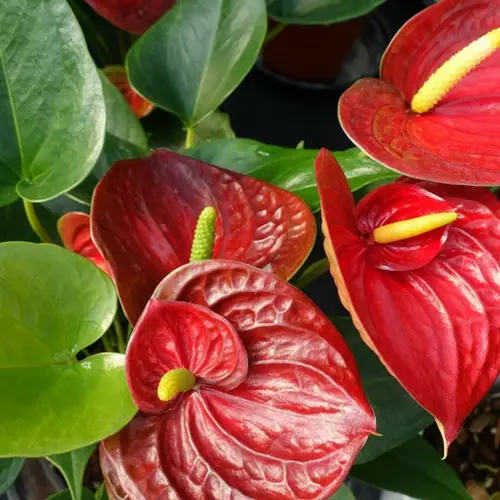
The most popular variety, featuring glossy, heart-shaped red, pink, or white spathes (modified leaves) with a prominent spadix. This is the classic Anthurium you’ll find in most Malaysian garden centers. It’s prized for its long-lasting flowers that can remain vibrant for 6-8 weeks.
Anthurium crystallinum (Crystal Anthurium)
Grown primarily for its stunning foliage rather than flowers. The large, velvety leaves display prominent white or silver veining that creates a crystalline appearance. This variety is perfect for collectors seeking unique foliage plants.
Anthurium scherzerianum (Flamingo Flower, Pigtail Plant)
A more compact variety with distinctive curled spadices that resemble pigtails. The spathes are typically bright red or orange. This variety is slightly more tolerant of lower light conditions, making it ideal for Malaysian apartments.
Essential Care Requirements for Anthurium in Malaysia
Light Requirements
Anthuriums need bright, indirect light to thrive and produce flowers. In Malaysia, place your plant near an east or north-facing window where it receives filtered morning light. Avoid direct afternoon sun, which is particularly intense in our tropical climate and can scorch the leaves, causing brown patches and yellowing.
If you notice your Anthurium isn’t flowering, insufficient light is often the culprit. The plant needs at least 6 hours of bright, indirect light daily to produce its signature blooms.
Temperature
Anthuriums prefer temperatures between 20-30°C, which aligns perfectly with Malaysia’s average indoor temperatures. Keep your plant away from air conditioning vents that blow cold air directly, as sudden temperature drops can stress the plant and cause bud drop.
Humidity
As rainforest natives, Anthuriums thrive in 60-80% humidity—fortunately, this matches Malaysia’s natural climate. However, air-conditioned rooms can significantly reduce humidity levels. To maintain optimal moisture:
- Mist leaves daily with room-temperature water
- Place the pot on a pebble tray filled with water (ensure the pot sits above water level)
- Group multiple plants together to create a humid microclimate
- Use a humidifier in air-conditioned spaces
Brown, crispy leaf tips are a telltale sign that humidity is too low.
Watering
Proper watering is crucial for Anthurium health. The key is to keep the growing medium consistently moist but never waterlogged. In Malaysia’s climate:
- Check the soil moisture by inserting your finger 2-3cm deep
- Water when the top layer feels dry—typically every 3-4 days
- Water thoroughly until excess drains from the bottom
- Empty the saucer after 15 minutes to prevent root rot
- Reduce watering frequency during monsoon season when humidity is naturally higher
Critical: Anthuriums are susceptible to root rot. Always use pots with drainage holes and never let the plant sit in standing water.
Growing Medium
Anthuriums require a well-draining, airy growing medium that retains some moisture. A chunky, loose mix is essential to prevent root rot in Malaysia’s humid conditions. Use Serbajadi Organic Peat Moss mixed with perlite or orchid bark for optimal drainage and aeration.
Fertilizing
To maintain vibrant blooms and healthy growth, feed your Anthurium regularly with Serbajadi Plant Food Flowering Supreme 31 Liquid Fertiliser. This balanced formula provides the phosphorus and potassium needed for continuous flowering.
Feeding schedule:
- Apply every 2 weeks during active growth (most of the year in Malaysia)
- Dilute according to package instructions
- Water the plant before fertilizing to prevent root burn
- Reduce feeding to once monthly if growth slows
Repotting
Repot your Anthurium every 2 years or when roots begin growing through drainage holes. The best time to repot in Malaysia is during the drier months (February-March or June-July) when the plant can recover more easily.
Repotting steps:
- Choose a pot only 2-3cm larger than the current one
- Use fresh Serbajadi Organic Peat Moss or Serbajadi Multi-Purpose Compost mixed with perlite
- Gently remove the plant and inspect roots for rot (brown, mushy roots should be trimmed)
- Plant at the same depth as before
- Water lightly and keep in bright, indirect light
Common Problems and Solutions
All Leaves Turning Yellow Then Brown
Cause: Too much direct sunlight
Solution: Immediately move your Anthurium away from direct sun exposure. Place it in a location with bright, filtered light. In Malaysian homes, sheer curtains work excellently to diffuse harsh sunlight. Trim severely damaged leaves to redirect energy to healthy growth.
Slow Growth or Small New Leaves
Cause: Nutrient deficiency
Solution: Resume regular feeding with Serbajadi Plant Food Flowering Supreme 31 every 2 weeks. If the plant hasn’t been repotted in over 2 years, refresh the growing medium as nutrients become depleted over time.
Brown or Black Mushy Roots
Cause: Root rot from overwatering or poor drainage
Solution: This is a serious condition requiring immediate action. Remove the plant from its pot, trim all affected roots with sterilized scissors, and repot in fresh, well-draining medium. Reduce watering frequency and ensure the pot has adequate drainage holes. In severe cases, you may need to propagate healthy portions of the plant.
No Flowers or Bud Drop
Cause: Insufficient light or potassium deficiency
Solution: Move to a brighter location and maintain consistent feeding with flowering fertilizer. Anthuriums need adequate light to trigger blooming. Ensure the plant receives at least 6 hours of bright, indirect light daily.
Brown Leaf Tips
Cause: Low humidity or salt buildup from fertilizer
Solution: Increase humidity through misting or a pebble tray. Flush the soil monthly with plain water to remove accumulated salts, especially if you’re using tap water in areas with hard water.
Pest Management
Aphids
These small, soft-bodied insects cluster on new growth and flower buds, sucking plant sap and causing distorted growth.
Treatment:
- Spray the plant with a strong stream of water to dislodge aphids
- Follow up with Serbajadi Neem Spray Extra Strength
- Repeat treatment every 5-7 days until infestation clears
- Isolate affected plants to prevent spread
Spider Mites
These tiny pests thrive in dry conditions and create fine webbing on leaf undersides. They’re more common in air-conditioned rooms with low humidity.
Treatment:
- Wipe leaves with a damp cloth or cotton bud to remove mites and webbing
- Spray thoroughly with Serbajadi Neem Spray Extra Strength, ensuring coverage of leaf undersides
- Increase humidity to prevent future attacks
- Maintain consistent watering, as water-stressed plants are more susceptible
Mealybugs
These white, cottony pests hide in leaf axils and along stems.
Treatment:
- Remove visible mealybugs with a cotton swab dipped in rubbing alcohol
- Spray with Serbajadi Neem Spray Extra Strength
- Monitor weekly and repeat treatment as needed
Pet Safety Warning
Important: Anthurium is toxic to cats and dogs. All parts of the plant contain calcium oxalate crystals, which can cause:
- Oral irritation and burning sensation
- Excessive drooling
- Vomiting
- Difficulty swallowing
Keep Anthurium plants out of reach of pets and children. If ingestion occurs, contact your veterinarian immediately. Consider pet-safe alternatives like Haworthia, Echeveria, or other succulents if you have curious pets.
Why Anthurium Thrives in Malaysia
Anthuriums are native to the tropical rainforests of Central and South America, making them naturally suited to Malaysia’s climate. Our consistent warmth, high humidity, and year-round growing season create ideal conditions for these plants to flourish. Unlike temperate regions where Anthuriums struggle during winter, Malaysian gardeners can enjoy continuous growth and flowering throughout the year with minimal effort.
The plant’s air-purifying qualities are particularly valuable in Malaysian urban homes, where it helps filter formaldehyde, ammonia, and xylene from indoor air—common pollutants from furniture, cleaning products, and vehicle emissions.
Frequently Asked Questions
How often should I water my Anthurium in Malaysia?
Water your Anthurium when the top 2-3cm of soil feels dry, typically every 3-4 days in Malaysia’s climate. The frequency depends on humidity levels, pot size, and whether you use air conditioning. Always check soil moisture before watering and ensure proper drainage to prevent root rot.
Why are my Anthurium leaves turning yellow?
Yellow leaves on Anthurium usually indicate too much direct sunlight. Move your plant to a location with bright, indirect light. If all leaves turn yellow simultaneously, this confirms sun damage. Gradual yellowing of older leaves is normal, but widespread yellowing requires immediate relocation away from direct sun exposure.
Is Anthurium safe for pets?
No, Anthurium is toxic to cats and dogs. The plant contains calcium oxalate crystals that can cause oral irritation, drooling, vomiting, and difficulty swallowing if ingested. Keep Anthurium plants out of reach of pets and children. Consider pet-safe alternatives like Haworthia or Echeveria if you have curious pets.
Why won’t my Anthurium flower?
Lack of flowering in Anthurium is usually caused by insufficient light or nutrient deficiency. Ensure your plant receives bright, indirect light for at least 6 hours daily. Feed regularly with Serbajadi Plant Food Flowering Supreme 31 every 2 weeks to provide the potassium needed for bloom production. Mature plants in optimal conditions bloom year-round.
What humidity level does Anthurium need in Malaysia?
Anthurium thrives in 60-80% humidity, which matches Malaysia’s natural tropical climate. However, air-conditioned rooms can drop humidity significantly. Increase moisture by misting leaves daily, placing the pot on a pebble tray with water, grouping plants together, or using a humidifier. Brown leaf tips indicate humidity is too low.
Final Tips for Success
Growing Anthurium in Malaysia is remarkably rewarding when you understand the plant’s basic needs. Remember these key points:
- Bright, indirect light is essential for flowering
- Keep soil consistently moist but never waterlogged
- Maintain high humidity, especially in air-conditioned spaces
- Feed regularly with quality flowering fertilizer
- Use well-draining growing medium to prevent root rot
- Keep away from pets and children due to toxicity
With proper care, your Anthurium will reward you with stunning, long-lasting blooms and glossy foliage year-round, making it a true centerpiece in your Malaysian indoor garden. The combination of our tropical climate and the right care products from Serbajadi creates the perfect environment for these exotic beauties to thrive.