How to Grow Aglaonema (Chinese Evergreen) in Malaysia
Aglaonema, commonly known as Chinese Evergreen, is one of the most popular and resilient indoor plants for Malaysian homes. Recognized by NASA as an effective air-filtering plant, Aglaonema thrives in our tropical climate with minimal care, making it perfect for both beginner and experienced gardeners.
With its stunning spear-shaped leaves featuring beautiful patterns in shades of green, silver, pink, and red, Aglaonema adds a touch of elegance to any indoor space while purifying the air you breathe.
About Aglaonema (Chinese Evergreen)
Classification: Foliage houseplant
Plant Group: Spear-leaved plant
Characteristics: Large, spear-shaped leaves with attractive variegation on short stems
Pet Safety: Toxic to cats and dogs—keep out of reach of pets and children
Climate Suitability: Excellent for Malaysia’s tropical conditions (24-32°C, high humidity)
Popular Aglaonema Varieties in Malaysia
Several Aglaonema varieties thrive beautifully in Malaysian homes:
- Aglaonema commutatum – Classic green variety with silver markings
- Aglaonema commutatum ‘Silver Spear’ – Striking silver-green foliage
- Aglaonema modestum – The traditional Chinese Evergreen with solid green leaves
- Aglaonema pictum – Features unique camouflage-like patterns
- Aglaonema pseudobracteatum – Golden-yellow variegation
- Aglaonema ‘Silver Queen’ – Predominantly silver leaves with green edges
Essential Care Guide for Aglaonema
Light Requirements
Aglaonema is remarkably adaptable to various light conditions, making it ideal for Malaysian apartments and offices. Place your plant in semi-shade or bright indirect light. While it tolerates low light better than most houseplants, avoid direct sunlight which can scorch and fade the beautiful leaf patterns. North or east-facing windows work perfectly in Malaysia’s climate.
Temperature
Aglaonema loves warm conditions, making Malaysia’s tropical climate ideal. Maintain temperatures between 24-32°C for optimal growth. These plants are sensitive to cold—avoid placing them near air-conditioning vents or in rooms below 18°C, as this can cause leaf curling and brown edges.
Watering
Proper watering is crucial for healthy Aglaonema plants. Water thoroughly when the top 2-3 cm of soil feels dry to the touch. In Malaysia’s humid environment, this typically means watering once every 5-7 days, though frequency varies with pot size, soil type, and indoor conditions.
During monsoon season, reduce watering frequency as humidity levels rise. Always ensure your pot has drainage holes and allow excess water to drain completely—Aglaonema is susceptible to root rot if left sitting in water.
Humidity
While Malaysia’s natural humidity (70-90%) is perfect for Aglaonema, air-conditioned rooms can become too dry. If you notice brown, shriveled leaf tips, increase humidity by:
- Misting leaves regularly with room-temperature water
- Placing the pot on a pebble tray filled with water
- Grouping plants together to create a humid microclimate
Soil and Potting
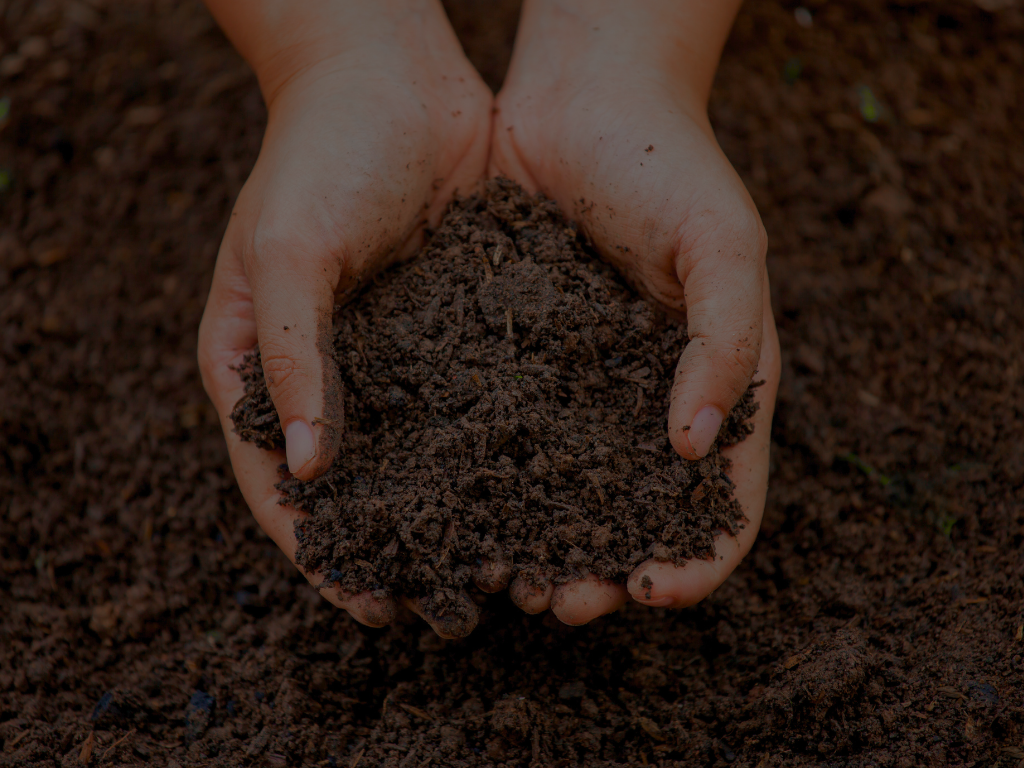
Use well-draining potting mix to prevent waterlogging. Serbajadi Potting Soil or Serbajadi Multipurpose Potting Mixture provides the ideal balance of drainage and moisture retention for tropical conditions.
Repot your Aglaonema every 2-3 years or when roots begin emerging from drainage holes. Choose a pot 2-5 cm larger than the current one. Spring is the best time for repotting in Malaysia.
Fertilizing
Feed your Aglaonema every 2-3 weeks during the growing season with a balanced liquid fertilizer. Serbajadi Plant Food Foliar Growing Supreme 26 provides essential nutrients for lush, vibrant foliage.
Reduce fertilizing to once monthly during periods of slower growth. Always apply fertilizer to moist soil to prevent root burn.
Common Problems and Solutions
Leaf Issues
Brown, shriveled leaf tips: This indicates insufficient humidity. Increase moisture levels through misting or use a humidity tray. This is common in air-conditioned Malaysian homes.
Curled leaves with brown edges: Temperature stress—the air is too cool. Move your plant away from air-conditioning vents and maintain warmer temperatures.
Yellow leaves: Usually caused by overwatering or poor drainage. Check soil moisture before watering and ensure proper drainage holes in your pot.
Fading leaf colors: Insufficient light. Move your plant to a brighter location with indirect light to maintain vibrant variegation.
Pest Management
While Aglaonema is relatively pest-resistant, monitor regularly for these common pests in Malaysia’s tropical climate:
Mealybugs
White, cottony masses on leaves and stems. Wipe off with a damp cloth or cotton bud dipped in rubbing alcohol, then spray with Serbajadi Neem Spray Extra Strength for complete control.
Aphids
Small, soft-bodied insects clustering on new growth. Spray the plant with high-pressure water to dislodge them, followed by treatment with Serbajadi Neem Spray Extra Strength.
Spider Mites
Tiny pests causing fine webbing and stippled leaves. These attack water-stressed plants, so maintain consistent watering. Wipe leaves with a damp cloth and spray with Serbajadi Neem Spray Extra Strength. Regular misting helps prevent infestations.
Scale Insects
Brown, shell-like bumps on stems and leaves. Scrape off with a fingernail or cotton bud, then treat with Serbajadi Neem Spray Extra Strength.
Prevention Tip: Regularly wipe leaves with a damp cloth to remove dust and inspect for early signs of pest problems. Healthy, well-maintained plants are more resistant to pest attacks.
Propagation Tips
Aglaonema is easy to propagate through division or stem cuttings. The best time for propagation in Malaysia is during the warmer months when growth is most active.
Division method: When repotting, gently separate the plant into sections, ensuring each has roots and several leaves. Plant in fresh Serbajadi Potting Soil.
Stem cutting method: Cut a stem section with at least 3-4 leaves. Place in water or moist soil until roots develop (typically 3-4 weeks in Malaysia’s warm climate).
Why Grow Aglaonema in Malaysia?
- Air purification: NASA research confirms Aglaonema removes toxins like formaldehyde and benzene from indoor air
- Low maintenance: Tolerates neglect better than most houseplants
- Climate-perfect: Thrives naturally in Malaysia’s warm, humid conditions
- Aesthetic appeal: Stunning foliage adds color and texture to any space
- Versatile placement: Adapts to various light conditions from bright to low light
- Long-lasting: With proper care, Aglaonema can thrive for many years
Frequently Asked Questions
Is Aglaonema safe for pets?
No, Aglaonema is toxic to cats and dogs. The plant contains calcium oxalate crystals that can cause oral irritation, excessive drooling, vomiting, and difficulty swallowing if ingested. Keep Aglaonema plants out of reach of pets and children.
How often should I water my Aglaonema in Malaysia?
Water your Aglaonema when the top 2-3 cm of soil feels dry to the touch. In Malaysia’s humid climate, this typically means watering once every 5-7 days, but frequency may vary based on indoor conditions and pot size. Always ensure proper drainage to prevent root rot.
Why are my Aglaonema leaves turning yellow?
Yellow leaves on Aglaonema usually indicate overwatering or poor drainage. Check that your pot has drainage holes and allow the soil to dry slightly between waterings. Yellow leaves can also result from nutrient deficiency—apply a balanced liquid fertilizer every 2-3 weeks to maintain healthy growth.
Can Aglaonema grow in low light conditions?
Yes, Aglaonema is one of the best low-light tolerant houseplants. While it prefers bright indirect light, it can survive in semi-shade conditions, making it perfect for Malaysian homes and offices with limited natural light. However, variegated varieties may lose some color intensity in very low light.
What causes brown tips on Aglaonema leaves?
Brown, shriveled leaf tips typically indicate low humidity or inconsistent watering. While Malaysia’s climate is naturally humid, air-conditioned rooms can be dry. Mist your plant regularly or place it on a pebble tray with water. Brown edges with curled leaves suggest the temperature is too cool—keep your Aglaonema in temperatures above 18°C.
Start Growing Your Aglaonema Today
Aglaonema is the perfect choice for Malaysian gardeners seeking a beautiful, low-maintenance houseplant that purifies indoor air. With proper care using quality products like Serbajadi Potting Soil and Serbajadi Plant Food Foliar Growing Supreme 26, your Chinese Evergreen will thrive for years, bringing natural beauty and cleaner air to your home.
Ready to start your Aglaonema journey? Visit Serbajadi’s online shop for all your plant care essentials, backed by over 35 years of horticultural expertise in Malaysia’s tropical climate.