How to Grow Maidenhair Ferns (Adiantum) in Malaysia
Adiantum ferns, commonly known as maidenhair ferns, are among the most elegant foliage plants you can grow indoors. With their delicate, fan-shaped fronds on wiry black stems, these graceful ferns bring a touch of forest tranquility to Malaysian homes. While they have a reputation for being finicky, understanding their needs—especially in our tropical climate—makes them surprisingly manageable.
Understanding Adiantum Ferns
Classification: Foliage house plant
Plant Group: Herringbone plant family
Characteristics: Delicate fan-shaped fronds on distinctive wiry black stems
Pet Safety: Non-toxic and safe for cats and dogs
Popular Adiantum Varieties for Malaysian Gardens
- Adiantum capillus-veneris (Southern Maidenhair) – The classic variety with fine-textured fronds
- Adiantum hispidulum (Australian Maidenhair or Rose Maidenhair) – Features distinctive rosy-bronze new growth
- Adiantum raddianum (Delta Maidenhair) – Most commonly available, with cascading fronds perfect for hanging baskets
- Adiantum tenerum ‘Farleyense’ (Giant Maidenhair) – Larger fronds with ruffled edges
Essential Care Requirements for Malaysia’s Climate
Temperature & Climate Considerations
Maidenhair ferns thrive in Malaysia’s tropical climate with temperatures between 24-28°C. They appreciate our natural warmth but can struggle in overly air-conditioned spaces. Avoid placing them near air conditioning vents or in rooms consistently below 20°C.
Light Requirements
Despite common misconceptions, Adiantum ferns are not shade lovers. They need bright, indirect sunlight to thrive. In Malaysian homes, an east-facing window provides ideal morning light without harsh afternoon sun. North-facing windows also work well. Avoid direct sunlight, which will quickly scorch the delicate fronds.
Watering: The Critical Factor
This is where most gardeners struggle with maidenhair ferns. The growing medium must remain consistently moist but never waterlogged. In Malaysia’s climate:
- Check soil moisture daily by touching the top layer
- Water when the top 1cm feels slightly dry
- During hot, dry periods, this may mean watering every 1-2 days
- During monsoon season with high humidity, reduce frequency to every 2-3 days
- Always use room-temperature water
- Ensure pots have drainage holes to prevent root rot
Humidity: Malaysia’s Natural Advantage
Maidenhair ferns demand high humidity (60-80%), which our tropical climate naturally provides. However, air-conditioned rooms can drop humidity significantly. To maintain optimal conditions:
- Mist fronds daily with room-temperature water
- Place pots on pebble trays filled with water (ensure pot sits above water level)
- Group ferns with other plants to create a humid microclimate
- Consider a small humidifier for air-conditioned rooms
- Bathrooms with windows make excellent locations due to natural humidity
Repotting & Growing Medium
Repot your Adiantum fern annually or when roots fill the pot, typically in early monsoon season when growth is most active. Choose a pot only slightly larger than the current one—ferns prefer being slightly root-bound.
Recommended Growing Media:
- Serbajadi Organic Peat Moss – Excellent moisture retention with proper drainage
- Serbajadi Multi-Purpose Compost – Nutrient-rich option for healthy growth
Fertilizing Your Maidenhair Fern
Adiantum ferns are light feeders. Over-fertilizing causes more damage than under-fertilizing. Apply diluted liquid fertilizer every 2-4 weeks during the growing season (March to October in Malaysia).
Important fertilizing tips:
- Always apply fertilizer to moist soil, never dry
- Use half the recommended strength
- Reduce or stop fertilizing during slower growth periods
- Flush soil with plain water monthly to prevent salt buildup
Troubleshooting Common Problems
Frond Issues
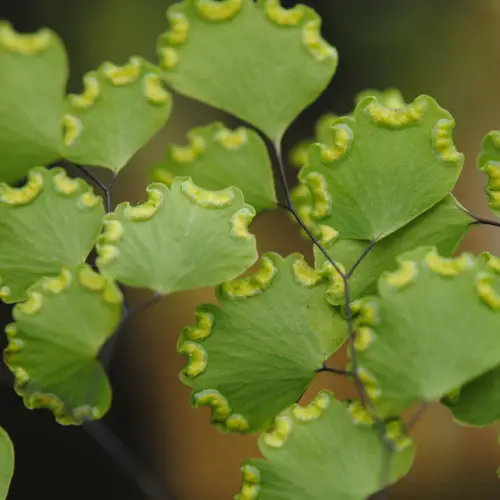
Brown dots or lines regularly arranged on underside of fronds:
These are spores—completely normal and a sign of a healthy, mature fern. No action needed.
Yellowing fronds starting at the base, with brown spots:
Indicates high temperature stress or incorrect watering. Check that soil stays consistently moist and move plant to a cooler location away from direct heat.
Yellowing fronds with brown tips, no new growth:
Insufficient humidity. Increase misting frequency, use a pebble tray, or relocate to a more humid area.
Pale fronds with scorch marks:
Too much direct sunlight. Move to a location with bright, indirect light.
Pale fronds with weak growth:
Nutrient deficiency. Apply diluted liquid fertilizer to moist soil.
Fronds dying back completely:
Severe moisture stress. If the plant has dried out completely, cut back dead fronds, water thoroughly, and maintain consistent moisture. New growth may emerge from the rhizome if it’s still alive.
Pest Management
Aphids:
Small, soft-bodied insects clustering on new growth. Spray plant with water to dislodge, then treat with Serbajadi Extra Strength Neem Spray.
Spider Mites:
Tiny pests causing fine webbing and stippled fronds. These attack water-stressed plants, so consistent watering is your best prevention. Treat by wiping fronds with a damp cloth and applying Serbajadi Extra Strength Neem Spray.
Scale Insects:
Brown, shell-like bumps irregularly scattered on fronds. Remove manually with a damp cotton bud, then spray with Serbajadi Extra Strength Neem Spray.
Aphelenchoides (Fern Eelworm):
Causes brown, wedge-shaped patches on fronds. Remove and destroy all affected fronds immediately. Avoid overhead watering, as these microscopic pests spread through water splash.
Pro Tips for Malaysian Gardeners
- Monsoon season care: Reduce watering frequency during heavy rain periods when natural humidity is highest
- Air conditioning: If you must keep ferns in air-conditioned rooms, invest in a small humidifier or mist twice daily
- Water quality: If your tap water is heavily chlorinated, let it sit overnight before using, or collect rainwater during monsoon season
- Pruning: Remove brown or damaged fronds at the base to encourage fresh growth and maintain appearance
- Propagation: Divide established plants during repotting—each division should have several fronds and healthy roots
Frequently Asked Questions
Are Adiantum maidenhair ferns safe for pets?
Yes, Adiantum ferns are non-toxic and safe for cats and dogs. They make excellent pet-friendly indoor plants for Malaysian homes.
Why are my maidenhair fern fronds turning brown?
Brown fronds typically indicate insufficient moisture or humidity. In Malaysia’s climate, ensure consistent watering and maintain humidity above 60%. Air-conditioned rooms may need daily misting or a humidifier.
How often should I water my Adiantum fern in Malaysia?
In Malaysia’s tropical climate, water every 1-2 days to keep soil consistently moist. Check daily by touching the top layer—if it feels dry, water thoroughly. Reduce frequency during rainy monsoon periods.
Can maidenhair ferns survive in air-conditioned rooms?
Yes, but they require extra humidity care. Air conditioning reduces humidity significantly. Mist daily, use a pebble tray with water, or group with other plants to create a humid microclimate.
What’s the best growing medium for Adiantum ferns?
Use well-draining, moisture-retentive medium like Serbajadi Organic Peat Moss or Serbajadi Multi-Purpose Compost. These provide excellent drainage while maintaining the consistent moisture maidenhair ferns need.
Final Thoughts
While maidenhair ferns have a reputation for being difficult, they’re actually well-suited to Malaysia’s tropical climate. The key to success lies in understanding their core needs: consistent moisture, high humidity, and bright indirect light. Once you establish a routine that maintains these conditions, your Adiantum fern will reward you with lush, delicate fronds that bring elegance and tranquility to your indoor garden.
Remember, these ferns communicate clearly—brown, crispy fronds mean they need more water or humidity, while pale, weak growth signals a need for better light or nutrients. Pay attention to these signals, adjust your care accordingly, and you’ll master the art of growing these beautiful plants in your Malaysian home.