8 Benefits of Growing Your Own Vegetables in Malaysia
Growing your own vegetables at home is more than just a rewarding hobby—it’s a practical solution to rising food costs, health concerns, and environmental challenges. In Malaysia’s tropical climate, where temperatures range from 24-32°C with high humidity year-round, home vegetable gardening offers unique advantages. Whether you’re cultivating a small balcony container garden or a full backyard plot, homegrown produce can transform your lifestyle, health, and connection to nature.
From knowing exactly what goes into your food to enjoying the unmatched freshness of garden-to-table vegetables, the benefits extend far beyond your dinner plate. Let’s explore why more Malaysian families are embracing kitchen gardening and how you can join this growing movement.

8 Compelling Benefits of Growing Your Own Vegetables
1. Maximum Nutritional Value
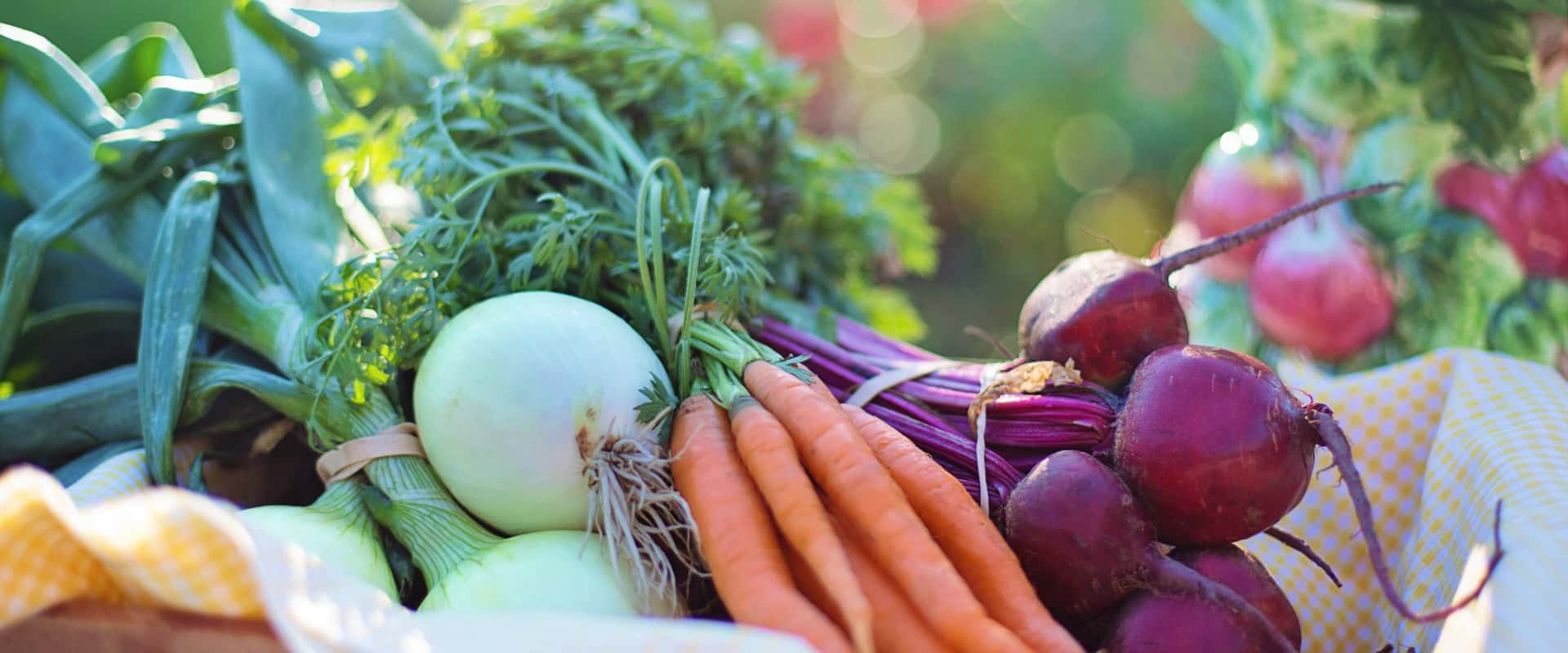
Homegrown vegetables deliver superior nutrition compared to store-bought produce. The moment a vegetable is harvested, it begins losing nutrients—especially water-soluble vitamins like vitamin C and B-complex. When you grow your own food, you can harvest exactly what you need and consume it within hours, preserving maximum nutritional content.
In Malaysia’s tropical climate, vegetables grow quickly and can be harvested at their peak ripeness when nutrient density is highest. Store-bought vegetables are often picked early for transportation, spending days or even weeks in transit and storage before reaching your table. Your garden vegetables, by contrast, retain their full spectrum of vitamins, minerals, and antioxidants that support immune function, energy levels, and disease prevention.
For optimal nutrition, feed your vegetables with Serbajadi Organic Vegetable Fertiliser, which provides balanced nutrients without synthetic chemicals. Remember to observe a 7-day withholding period between application and harvest, and always wash produce thoroughly before consumption.
2. Natural Vitamin D Production
Gardening gets you outdoors and exposed to natural sunlight, which triggers vitamin D synthesis in your skin. Despite Malaysia’s abundant sunshine, many urban dwellers spend most of their time indoors and may have suboptimal vitamin D levels. Just 30 minutes of morning gardening (before 10 AM) provides beneficial sun exposure while avoiding the harshest midday rays.
Vitamin D is essential for calcium absorption, bone health, immune function, and mood regulation. The physical activity of gardening—digging, planting, weeding, and harvesting—also promotes better sleep quality, reduces stress hormones, and increases overall energy levels. However, always apply sunscreen to exposed skin, wear a wide-brimmed hat, and stay hydrated in Malaysia’s tropical heat.
3. A Family Activity That Builds Connections
A vegetable garden becomes a living classroom and bonding space for families. Children who participate in growing food develop a deeper appreciation for nature, learn responsibility through plant care, and are more likely to eat vegetables they’ve helped cultivate. From selecting seeds to celebrating the first harvest, every stage offers opportunities for quality family time away from screens.
Gardening teaches patience, observation skills, and the connection between effort and reward. In Malaysia’s urban environment, where green spaces may be limited, even a small balcony garden can provide children with hands-on nature experiences. Adults benefit too—shared gardening projects strengthen family bonds and create lasting memories.
Looking to start a family gardening project? The Serbajadi Vegetable Growing Kit includes everything beginners need to start their first kitchen garden.
4. Supports Biodiversity and Pollinators
Every vegetable garden contributes to urban biodiversity. Diverse plantings attract beneficial insects like bees, butterflies, and ladybugs, which are essential for pollination and natural pest control. In Malaysia’s ecosystem, supporting pollinator populations is crucial as these insects face threats from habitat loss and pesticide use.
A varied vegetable garden with flowering herbs like basil, coriander, and mint provides nectar sources for pollinators while producing food for your family. Companion planting—growing complementary vegetables together—naturally deters pests and reduces the need for chemical interventions. This creates a healthier garden ecosystem that’s more resilient and productive.
5. Unmatched Freshness and Flavor
The taste difference between homegrown and store-bought vegetables is remarkable. Commercial vegetables are bred for shelf life, uniform appearance, and shipping durability—not flavor. Heritage and heirloom varieties available as seeds often have superior taste but don’t survive commercial distribution.
When you grow your own vegetables in Malaysia’s tropical climate, you can harvest them at perfect ripeness. A sun-warmed tomato picked minutes before eating, crisp lettuce harvested for lunch, or aromatic herbs snipped fresh for cooking deliver flavors that simply cannot be purchased. The sugars in vegetables like corn and peas begin converting to starch immediately after harvest—your garden vegetables taste sweeter because they’re truly fresh.
Start with easy-to-grow, flavorful varieties from Serbajadi’s vegetable seed collection, specially selected for tropical growing conditions.
6. Significant Cost Savings
With food prices rising, growing your own vegetables offers substantial financial benefits. Organic vegetables command premium prices at supermarkets, often costing 30-50% more than conventional produce. A packet of seeds costing RM5-10 can produce vegetables worth RM50-100 or more throughout the growing season.
In Malaysia’s year-round growing climate, many vegetables like kangkung, chili, and herbs produce continuously for months from a single planting. Container gardens on balconies or small spaces can yield impressive harvests with minimal investment. The initial costs of soil, containers, and supplies typically pay for themselves within 2-3 months, with ongoing savings accumulating over time.
Enhance your soil quality affordably with Serbajadi Vermicompost, which improves soil structure and provides slow-release nutrients for healthier, more productive plants.
7. Complete Control Over Growing Methods
When you grow your own vegetables, you control every input. You decide whether to use organic methods, which fertilizers to apply, and how to manage pests. This is especially important for families concerned about pesticide residues, which can persist on store-bought produce even after washing.
In Malaysia’s humid climate, pest pressure can be high, but organic solutions like neem-based sprays effectively manage common garden pests without toxic chemicals. You can also choose to grow heirloom or specialty varieties not available in stores, customize your garden to your family’s preferences, and ensure your vegetables are grown in healthy, uncontaminated soil.
For organic pest management, GarNeem Spray provides effective control of aphids, whiteflies, and other common vegetable garden pests using natural neem oil.
8. Environmental Benefits
Home vegetable gardens reduce your environmental footprint in multiple ways. You eliminate the transportation emissions associated with commercial produce, which often travels hundreds or thousands of kilometers from farm to store. Packaging waste disappears when you harvest directly from your garden into reusable containers.
Growing vegetables at home also reduces reliance on industrial agriculture, which can involve heavy pesticide use, soil degradation, and water pollution. Your garden sequesters carbon, produces oxygen, reduces urban heat island effects, and manages rainwater naturally—especially important during Malaysia’s monsoon seasons. Kitchen scraps can be composted and returned to your garden, closing the nutrient loop and diverting organic waste from landfills.
Getting Started with Your Malaysian Vegetable Garden
Ready to experience these benefits firsthand? Starting a vegetable garden in Malaysia’s tropical climate is easier than you might think. Begin with fast-growing, heat-tolerant vegetables like kangkung, chili peppers, cherry tomatoes, or leafy greens that thrive in our year-round warm temperatures.
Choose a location that receives 6-8 hours of sunlight daily—morning sun with afternoon shade works well in our intense tropical heat. Use quality potting soil with good drainage to prevent waterlogging during heavy rains. Container gardening works excellently for balconies and small spaces, giving you flexibility and control.
Feed your vegetables regularly with organic fertilizers, as Malaysia’s heavy monsoon rains can quickly leach nutrients from soil. Monitor for pests common in humid climates, and harvest frequently to encourage continuous production. With consistent care and attention, you’ll be enjoying fresh, homegrown vegetables within weeks.
Frequently Asked Questions About Growing Vegetables in Malaysia
What vegetables grow best in Malaysia’s tropical climate?
Heat-tolerant vegetables thrive in Malaysia’s 24-32°C temperatures and high humidity. Excellent choices include kangkung (water spinach), chili peppers, cherry tomatoes, long beans, okra (lady’s finger), eggplant, and leafy greens like bayam and sawi. These vegetables are adapted to tropical conditions and can produce year-round with proper care.
How much money can I save by growing my own vegetables in Malaysia?
Home gardeners can significantly reduce their grocery bills, especially for organic produce which costs 30-50% more than conventional vegetables. A small 2×3 meter kitchen garden can produce RM50-100 worth of fresh vegetables monthly. With rising food costs, the savings become even more substantial over time, and your initial investment in seeds and supplies typically pays for itself within 2-3 months.
Do homegrown vegetables really taste better than store-bought?
Yes, homegrown vegetables taste significantly better because you harvest them at peak ripeness. Store-bought produce is often picked early for transportation and storage, which affects flavor development. Your garden vegetables go from plant to plate within hours, retaining maximum flavor, sweetness, and nutritional value. The difference is especially noticeable in tomatoes, herbs, and leafy greens.
How do I protect my vegetable garden during monsoon season?
During Malaysia’s monsoon rains, ensure your garden has excellent drainage to prevent waterlogging and root rot. Use raised beds or containers with drainage holes, and apply controlled-release fertilizers that won’t wash away quickly. Cover delicate seedlings during heavy downpours, and increase the frequency of organic fertilizer applications to replace nutrients leached by excessive rain. Good air circulation also helps prevent fungal diseases common in wet conditions.
What fertilizer should I use for homegrown vegetables in Malaysia?
For edible crops, organic fertilizers are recommended for safety and soil health. Serbajadi Organic Vegetable Fertiliser is specifically formulated for tropical vegetable gardens and provides balanced nutrition. Always observe a 7-day withholding period between fertilizer application and harvest, and wash all produce thoroughly before consumption. Supplement with vermicompost to improve soil structure and water retention in Malaysia’s climate.
Start Your Vegetable Garden Journey Today
The benefits of growing your own vegetables extend far beyond fresh produce. From improved nutrition and cost savings to family bonding and environmental stewardship, a home vegetable garden enriches your life in countless ways. In Malaysia’s favorable tropical climate, you can garden year-round and enjoy continuous harvests with the right approach.
Whether you’re a complete beginner or an experienced gardener, Serbajadi provides everything you need for successful vegetable growing. Explore our complete range of vegetable seeds, organic fertilizers, and growing supplies specially selected for Malaysian conditions.
For more expert gardening advice, growing tips, and product demonstrations, visit Serbajadi Grow Joy TV and join our community of passionate home gardeners across Malaysia!