How To Revive & Grow Kesum Plant In Recycled Containers
Kesum (Persicaria odorata), also known as Vietnamese coriander or daun kesom, is one of Malaysia’s most beloved aromatic herbs. Whether you’re making laksa, asam pedas, or nasi ulam, fresh kesum leaves add that distinctive fragrance that makes Malaysian cuisine special. The good news? You don’t need a large garden to grow this tropical herb—even apartment dwellers can cultivate kesum successfully using recycled containers on their balconies!
If your kesum plant is looking sad and wilted, don’t give up on it yet. With the right care and proper container setup, you can revive your struggling plant and enjoy a continuous harvest of fresh, aromatic leaves. Let’s explore how to bring your kesum back to life using sustainable, budget-friendly recycled containers.
Understanding Kesum: A Malaysian Kitchen Garden Essential
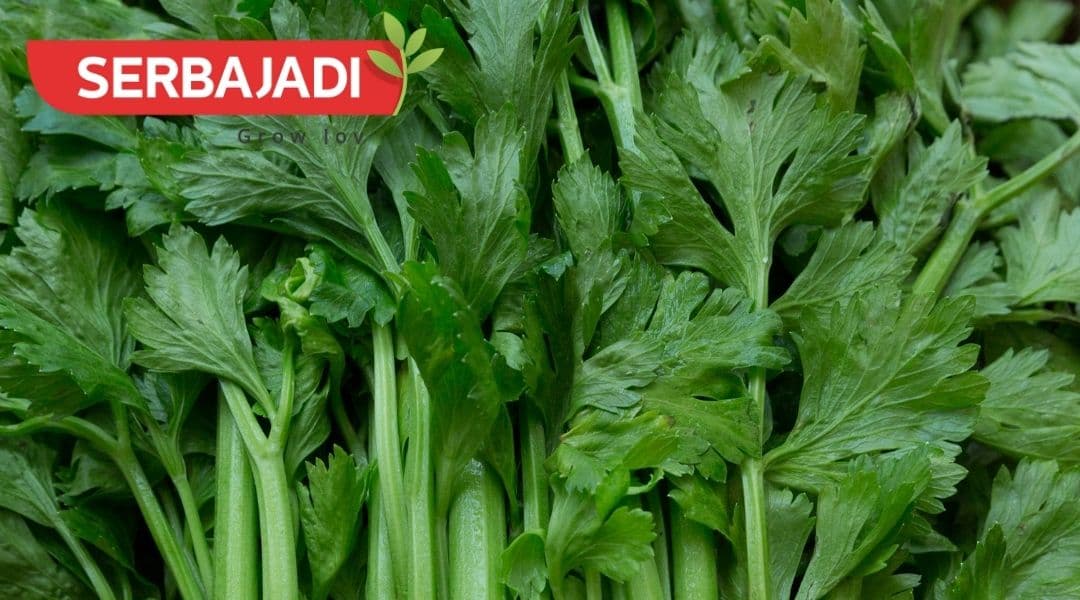
Kesum is a semi-aquatic perennial herb that thrives in Malaysia’s tropical climate with temperatures between 24-32°C and high humidity. In the wild, it grows near water sources, which explains its love for consistently moist soil. The plant features elongated, pointed leaves with a distinctive reddish-purple marking and produces small white or pink flowers.
What makes kesum particularly suitable for urban container gardening is its adaptability and fast growth rate. A healthy kesum plant can provide regular harvests while requiring minimal space—perfect for balcony gardens and small urban spaces.
Signs Your Kesum Plant Needs Revival
Before starting the revival process, identify what’s wrong with your plant:
- Yellowing leaves: Usually indicates nutrient deficiency or waterlogging
- Wilting despite moist soil: May signal root rot or root-bound conditions
- Leggy, sparse growth: Insufficient light or nutrients
- Brown, crispy leaf edges: Underwatering or excessive heat exposure
- Stunted growth: Depleted soil or overcrowded roots
Choosing the Right Recycled Containers
One of the joys of container gardening is transforming everyday items into productive growing spaces. For kesum, consider these recycled container options:
Suitable Container Types
- Large plastic bottles (1.5L-2L): Cut horizontally and add drainage holes
- Food containers: Ice cream tubs, yogurt containers, or takeaway boxes
- Old buckets or pails: Excellent for larger plantings
- Tin cans: Clean thoroughly and punch drainage holes
- Styrofoam boxes: Lightweight and insulating
Container Requirements
Regardless of what you choose, ensure your container meets these criteria:
- Depth: At least 15-20cm to accommodate root growth
- Drainage: Multiple holes at the bottom to prevent waterlogging
- Width: 15-20cm diameter for single plants; wider for multiple plants
- Cleanliness: Thoroughly washed to remove any chemical residues
Step-by-Step Guide to Reviving Your Kesum Plant
Step 1: Assess and Prune
Start by examining your kesum plant carefully. Remove any dead, yellowing, or diseased leaves using clean scissors or pruning shears. Cut back leggy stems to encourage bushier growth. Don’t worry about cutting too much—kesum recovers quickly and pruning stimulates new growth.
Step 2: Prepare Your Recycled Container
Clean your chosen container thoroughly with soap and water. Drill or punch 4-6 drainage holes in the bottom. Add a 2-3cm layer of small stones, broken pottery, or gravel at the bottom to improve drainage—this is especially important in Malaysia’s heavy monsoon rains when excess water needs to drain quickly.
Step 3: Create the Perfect Growing Medium
Kesum thrives in rich, moisture-retentive soil. Create an ideal mix using:
- 70% Serbajadi Potting Soil for good structure and drainage
- 30% Multi-Purpose Compost for moisture retention and nutrients
This combination provides excellent water retention while preventing waterlogging—crucial for kesum’s semi-aquatic nature. The compost also helps maintain consistent moisture during Malaysia’s hot, dry spells between monsoon periods.
Step 4: Replant with Care
Fill your container about one-third full with the soil mixture. Gently remove the kesum from its old container, loosening any circling roots. If the plant is severely root-bound, gently tease apart the roots to encourage outward growth.
Position the plant in the new container at the same depth it was growing previously. Fill around the roots with more soil mixture, firming gently to eliminate air pockets. Leave 2-3cm space below the rim for watering.
Step 5: Water Thoroughly
Water the newly potted kesum thoroughly until water drains from the bottom holes. This settles the soil around the roots and ensures good root-to-soil contact. For the first week, keep the soil consistently moist but not waterlogged.
Step 6: Position for Recovery
Place your container in a location with partial shade for the first week to reduce transplant stress. Kesum appreciates 4-6 hours of morning sunlight but benefits from afternoon shade during Malaysia’s intense midday heat. Once the plant shows signs of recovery (new growth, perky leaves), you can gradually move it to a sunnier spot if desired.
Feeding Your Revived Kesum Plant
After one week of recovery, begin feeding your kesum to encourage vigorous growth and aromatic leaves. Since kesum is a leafy herb you’ll be harvesting regularly, proper nutrition is essential.
Recommended Fertiliser
Use Serbajadi Organic Vegetable Fertiliser, which is specifically formulated for edible plants. This organic fertiliser provides balanced nutrition that promotes healthy leaf growth without excessive chemical buildup.
Application schedule:
- Apply every 2-3 weeks during active growth
- Follow package instructions for dilution rates
- Important: Observe a strict 7-day withholding period between fertiliser application and harvest
- Always wash harvested leaves thoroughly before consumption
Boost Soil Health
Every 2-3 months, top-dress your container with a thin layer of Vermicompost. This adds beneficial microorganisms and slow-release nutrients that improve soil structure and plant health over time.
Ongoing Care for Container-Grown Kesum
Watering in Malaysia’s Tropical Climate
Kesum’s semi-aquatic nature means it loves moisture. In containers, this requires attention:
- Hot, dry weather: Water daily, possibly twice during extreme heat
- Monsoon season: Reduce watering but ensure containers drain well
- Check soil moisture: The top 2cm can dry slightly, but deeper soil should stay moist
- Morning watering: Best time to water, allowing foliage to dry before evening
Harvesting Encourages Growth
Regular harvesting actually helps your kesum plant stay bushy and productive:
- Harvest outer leaves first, leaving the growing center intact
- Cut stems just above a leaf node to encourage branching
- Never remove more than one-third of the plant at once
- Harvest in the morning when leaves are most aromatic
- Remember the 7-day interval after fertilising before harvesting
Propagation: Multiply Your Success
Once your kesum is thriving, propagate it to create more plants or share with friends:
- Cut 10-15cm stem sections from healthy growth
- Remove leaves from the bottom 5cm
- Place in water or directly in moist soil
- Roots develop within 1-2 weeks
- Transplant rooted cuttings into prepared recycled containers
Troubleshooting Common Issues
Yellowing Leaves
If leaves continue yellowing after repotting, apply Growing Inducer 45 to address nitrogen deficiency. This balanced fertiliser promotes healthy green foliage. Remember to observe the 7-day harvest interval.
Pest Problems
Container-grown kesum occasionally attracts aphids or small caterpillars. If you notice pests, spray with GarNeem Spray, an organic pest control solution. Apply in the evening and wait 7 days before harvesting.
Leggy Growth
If your kesum grows tall and sparse, it needs more light. Move the container to a brighter location and prune back leggy stems to encourage bushier growth.
The Benefits of Container Gardening with Recycled Materials
Growing kesum in recycled containers offers multiple advantages for Malaysian urban gardeners:
- Cost-effective: No need to purchase expensive pots
- Environmentally friendly: Reduces plastic waste and promotes sustainability
- Space-efficient: Perfect for balconies, patios, and small spaces
- Mobility: Easy to move containers to optimize light and weather conditions
- Food security: Fresh herbs at your fingertips, reducing grocery costs
- Educational: Great project for teaching children about sustainability and gardening
Frequently Asked Questions
Why is my kesum plant wilting?
Kesum plants typically wilt due to inconsistent watering, root-bound conditions, or nutrient deficiency. In Malaysia’s hot tropical climate (24-32°C), kesum needs consistent moisture and may require daily watering during dry spells. Check if the plant needs repotting into a larger container with fresh soil.
What type of recycled containers work best for kesum?
Plastic bottles, food containers, old buckets, or tin cans work well for growing kesum. The container should be at least 15-20cm deep with drainage holes at the bottom. Clean containers thoroughly before use and ensure they can hold enough soil to support the plant’s root system.
How often should I fertilise kesum plants?
Apply organic vegetable fertiliser every 2-3 weeks for healthy growth. Always observe a 7-day withholding period between fertiliser application and harvest. In Malaysia’s monsoon climate, nutrients can wash out quickly, so regular feeding helps maintain vigorous growth and aromatic leaves.
Can I grow kesum from cuttings?
Yes, kesum propagates easily from stem cuttings. Cut 10-15cm stems, remove lower leaves, and place in water or moist soil. Roots typically develop within 1-2 weeks. This is an excellent way to revive a struggling plant by taking healthy cuttings and starting fresh.
How much sunlight does kesum need?
Kesum thrives in partial shade to full sun, but in Malaysia’s intense tropical heat, partial shade (4-6 hours of morning sun) produces the best results. Too much direct afternoon sun can cause leaf burn, while too little light results in leggy growth with less flavour.
Start Your Kesum Revival Journey Today
Reviving a struggling kesum plant and growing it in recycled containers is a rewarding experience that combines sustainability with practical kitchen gardening. Even if you live in a high-rise building, you can enjoy fresh, aromatic kesum leaves for your favourite Malaysian dishes right from your balcony.
With proper care, quality growing medium, and regular feeding, your revived kesum will reward you with abundant harvests for months to come. The satisfaction of cooking with herbs you’ve grown yourself—especially in containers you’ve creatively recycled—makes every meal taste even better.
Ready to start your kesum revival project? Gather your recycled containers, prepare your growing space, and watch as your struggling plant transforms into a thriving herb garden!
For all your gardening supplies including quality potting soil, organic fertilisers, and growing aids, visit Serbajadi Grow Joy Shop!
For more gardening tips, plant care guides, and sustainable growing practices, explore Serbajadi Learn & Grow Blog!