How to Propagate Succulents in Malaysia: Complete Guide
Learning how to propagate succulents is one of the most rewarding skills for Malaysian gardeners. Whether you’re growing Echeveria, Haworthia, or jade plants, propagation allows you to multiply your collection at no cost while enjoying the satisfaction of nurturing new life. In Malaysia’s tropical climate with temperatures ranging from 24-32°C and high humidity, succulent propagation requires specific techniques to ensure success.
Understanding Succulent Propagation in Tropical Climate
Succulents are remarkably easy to propagate, making them perfect for beginner gardeners. These drought-tolerant plants have evolved to store water in their leaves and stems, which gives them the ability to generate entirely new plants from small cuttings or even individual leaves.
In Malaysia’s warm, humid environment, the main challenge is managing moisture levels during propagation. While our consistent temperatures (24-32°C) accelerate root development, humidity levels above 80% can cause cuttings to rot before they establish roots. The key is balancing warmth with proper air circulation and well-draining growing medium.
Three Proven Methods to Propagate Succulents
Method 1: Leaf Propagation
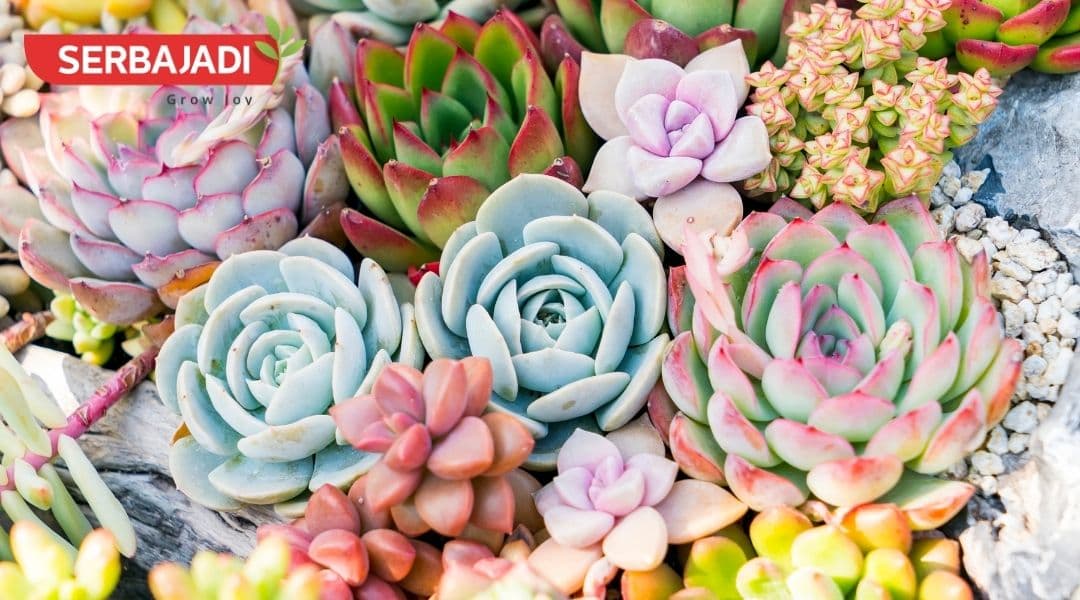
Leaf propagation is the most common and fascinating method, perfect for species like Echeveria, Sedum, and Graptoveria.
Step-by-step process:
- Select healthy leaves: Choose plump, mature leaves from a healthy parent plant. Avoid damaged or diseased leaves.
- Remove leaves properly: Gently twist the leaf from the stem, ensuring the entire base comes off cleanly. A partial leaf will not propagate successfully.
- Callusing phase: Place leaves on a dry tray in a shaded, well-ventilated area for 2-5 days. This allows the wound to form a protective callus, crucial in preventing rot in our humid climate.
- Planting: Once callused, lay leaves on top of Cactus Soil, which provides the excellent drainage succulents need in tropical conditions.
- Watering: Mist lightly every 3-4 days, only when soil is completely dry. Overwatering is the primary cause of propagation failure.
- Root development: Within 2-4 weeks, you’ll see tiny roots emerging, followed by baby plantlets.
Method 2: Stem Cutting Propagation
This method works excellently for branching succulents like jade plants, Crassula, and Aeonium.
Step-by-step process:
- Take cuttings: Using clean, sharp scissors, cut 5-8cm sections from healthy stems. Make cuts just below a leaf node.
- Remove lower leaves: Strip leaves from the bottom 2-3cm of the cutting to prevent rot when planted.
- Optional rooting hormone: Dip the cut end in Rooting Powder to accelerate root development and improve success rates.
- Callusing: Allow cuttings to dry in a shaded spot for 3-5 days until the cut end forms a callus.
- Planting: Insert the callused end 1-2cm into well-draining cactus soil. The cutting should stand upright on its own.
- Care: Place in bright, indirect light. Water sparingly every 5-7 days, only when soil is bone dry.
Method 3: Offset Division (Pups)
Many succulents like Aloe, Haworthia, and Sempervivum naturally produce baby plants (offsets or pups) around the base of the mother plant.
Step-by-step process:
- Identify mature offsets: Look for pups that are at least 1/3 the size of the mother plant with their own root system.
- Separate carefully: Gently remove soil around the base and use a clean knife to separate the offset from the mother plant, keeping as many roots intact as possible.
- Brief drying period: If any cuts were made, allow 1-2 days for callusing in a shaded area.
- Replanting: Plant offsets directly into small pots filled with Cactus Soil.
- Establishment care: Water lightly after 3-4 days, then follow normal succulent care routine.
Essential Care for Propagated Succulents in Malaysia
Soil Requirements
Well-draining soil is non-negotiable for succulent propagation in our humid climate. Use specialized Cactus Soil or improve regular potting mix by adding Perlite in a 1:1 ratio. This ensures excess moisture drains quickly, preventing the root rot that commonly affects succulents in tropical environments.
Light Conditions
Newly propagated succulents need bright, indirect light. In Malaysia, avoid direct afternoon sun which can scorch tender new growth. East-facing windows or shaded outdoor areas with good air circulation are ideal. Once established (after 6-8 weeks), gradually introduce more direct sunlight.
Watering Schedule
The golden rule: less is more. In our humid climate, succulents need far less water than in drier regions. Water only when soil is completely dry, typically every 5-7 days for propagations. Use the “soak and dry” method—water thoroughly, then wait until soil is bone dry before watering again.
Fertilizing for Healthy Growth
Once roots are well-established (4-6 weeks after planting), support healthy development with Cactus & Succulent Growth Booster. This specialized formula provides balanced nutrition without the excessive nitrogen that can cause weak, leggy growth. Apply diluted fertilizer every 4-6 weeks during active growing periods.
For succulents that are slow to establish or showing signs of stress, Cactus Growing Inducer can help stimulate root development and overall vigor.
Common Propagation Problems and Solutions
Rotting Cuttings or Leaves
Cause: Excessive moisture, insufficient callusing time, or poor air circulation.
Solution: Ensure 2-5 day callusing period, use well-draining soil, improve ventilation, and reduce watering frequency. In particularly humid areas, consider using a small fan to improve air movement.
No Root Development
Cause: Insufficient warmth, poor leaf/cutting quality, or too much/too little moisture.
Solution: Ensure temperatures stay between 24-28°C, select only healthy propagation material, and maintain consistent (but minimal) moisture. Apply Rooting Powder to encourage root formation.
Shriveling Leaves
Cause: Normal process as the mother leaf feeds the new plantlet, or insufficient moisture.
Solution: If the leaf is producing roots and new growth, shriveling is normal. If no growth appears after 6 weeks, the propagation has failed—try again with fresh material.
Leggy, Weak Growth
Cause: Insufficient light or excessive nitrogen.
Solution: Move to brighter location with indirect light. Use specialized succulent fertilizers rather than general-purpose plant food.
Best Succulent Species for Propagation in Malaysia
Some succulents propagate more reliably in our tropical climate:
- Echeveria varieties: Excellent for leaf propagation, beautiful rosette forms
- Jade Plant (Crassula ovata): Extremely easy from stem cuttings
- Sedum varieties: Fast-growing, propagate readily from leaves or stems
- Haworthia species: Produce abundant offsets, very beginner-friendly
- Aloe vera: Produces pups readily, medicinal properties
- Kalanchoe: Produces plantlets along leaf edges, very easy
- String of Pearls: Propagates well from stem cuttings
Tips for Success in Malaysia’s Climate
- Timing matters: Propagate during drier months (March-September) when possible, though year-round propagation is feasible with proper care.
- Air circulation is crucial: Use fans or choose naturally breezy locations to combat high humidity.
- Avoid enclosed terrariums: While popular, enclosed containers trap moisture and promote rot in our climate.
- Monitor for pests: High humidity can attract mealybugs and fungus gnats. Treat early with GarNeem Spray if needed.
- Be patient: Succulent propagation requires patience. Some species take 8-12 weeks to establish fully.
- Start with easy species: Build confidence with reliable propagators like jade plants and Echeveria before attempting challenging varieties.
Frequently Asked Questions
What is the best time to propagate succulents in Malaysia?
The best time to propagate succulents in Malaysia is during the drier months (March to September) when humidity is slightly lower. Avoid propagating during heavy monsoon seasons as excessive moisture can cause rot. However, with proper care and well-draining soil, succulents can be propagated year-round in our tropical climate.
How long does it take for succulent cuttings to root in tropical climate?
In Malaysia’s warm tropical climate (24-32°C), succulent cuttings typically develop roots within 2-4 weeks. Leaf propagation may take 4-8 weeks to show both roots and new growth. The warm temperatures accelerate rooting, but high humidity requires extra attention to prevent rot during the callusing phase.
Can I propagate succulents in Malaysia’s humid climate?
Yes, you can successfully propagate succulents in Malaysia despite high humidity (often above 80%). The key is ensuring excellent air circulation, using well-draining cactus soil, allowing proper callusing time (2-5 days), and watering very sparingly. Place propagations in areas with good airflow and avoid enclosed, humid spaces.
What soil should I use for succulent propagation?
Use specialized Cactus Soil formulated for excellent drainage, which is crucial in Malaysia’s humid climate. You can also create your own mix by combining regular potting soil with Perlite or coarse sand in a 1:1 ratio. Good drainage prevents root rot, the most common problem when growing succulents in tropical conditions.
Should I fertilize newly propagated succulents?
Wait until roots are well-established (4-6 weeks after planting) before applying fertilizer. Once rooted, use a specialized Cactus & Succulent Growth Booster to encourage healthy development. Apply diluted fertilizer every 4-6 weeks during the growing season. Avoid fertilizing during the callusing phase or immediately after planting.
Start Your Succulent Propagation Journey
Propagating succulents in Malaysia’s tropical climate is entirely achievable with the right techniques and products. The key is managing moisture through excellent drainage, proper air circulation, and restrained watering. With patience and practice, you’ll soon have a thriving collection of succulents—all grown from your own propagation efforts.
Ready to start propagating? Visit Serbajadi Grow Joy Shop for specialized Cactus Soil, Growth Boosters, and all the supplies you need for successful succulent propagation in tropical conditions.
For more expert gardening advice tailored to Malaysia’s climate, explore the Serbajadi Learn & Grow Blog for comprehensive growing guides and tips.