Bromeliad Care Guide Malaysia: Easy Tropical Plant Tips
Bromeliads are stunning tropical plants that thrive beautifully in Malaysia’s warm, humid climate. With their vibrant, long-lasting blooms and exotic foliage, these low-maintenance beauties are perfect for Malaysian homes and gardens. Whether you’re looking for an attractive indoor plant that tolerates low light or want to add tropical flair to your shaded patio, bromeliads are an excellent choice that naturally suits our climate conditions of 24-32°C and high humidity.
This comprehensive guide will show you exactly how to care for bromeliads in Malaysian conditions, from watering techniques to soil requirements and troubleshooting common issues.
Understanding Bromeliads: Perfect for Malaysian Climate
Bromeliads belong to a large family of tropical plants native to Central and South America. Many species are epiphytes (air plants) that naturally grow on trees in rainforests—environments very similar to Malaysia’s tropical conditions. This makes them exceptionally well-adapted to our climate.
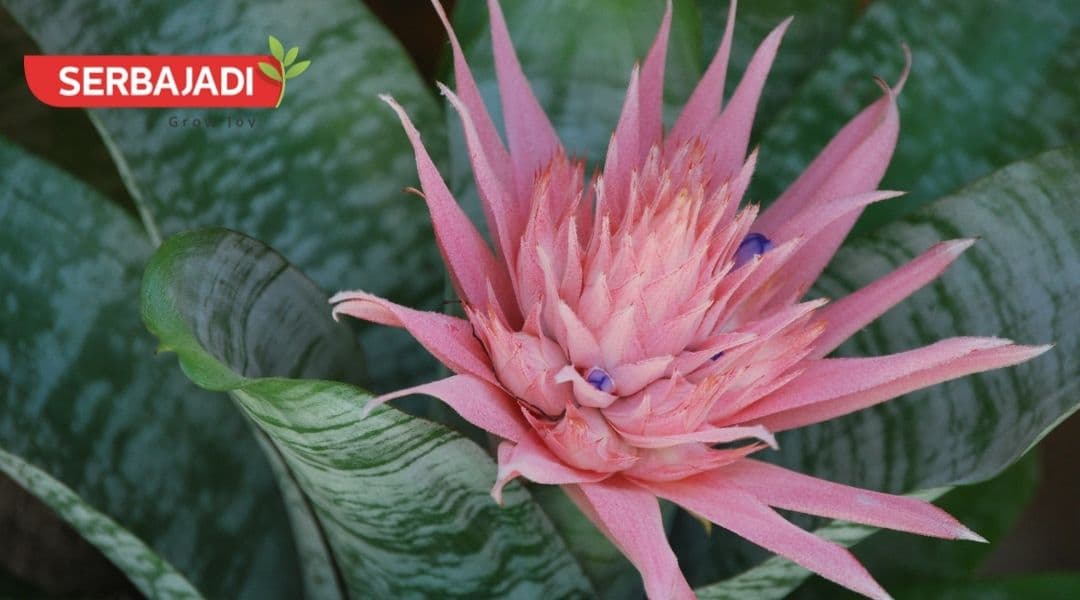
Most bromeliads feature a distinctive rosette of leaves that form a central “cup” or “tank” which collects water in nature. The flowers emerge from the center and can last for several months, with colorful bracts that remain vibrant long after the actual flowers fade.
Light Requirements for Bromeliads
One of the best features of bromeliads is their tolerance for lower light conditions, making them ideal for Malaysian apartments and offices with limited natural light.
Ideal Lighting Conditions
- Bright, indirect light: East or north-facing windows provide perfect lighting
- Filtered sunlight: Can tolerate some morning sun but avoid harsh afternoon rays
- Shade tolerance: Many varieties thrive in partial shade, perfect for covered patios
- Avoid direct sun: Malaysia’s intense midday sun (especially 11am-3pm) can scorch leaves
Tip: If leaves turn brown or bleached, your bromeliad is getting too much direct sun. Move it to a shadier location.
Watering Bromeliads in Malaysia’s Humid Climate
Proper watering is crucial for bromeliad health, and Malaysia’s high humidity (70-90%) means you’ll need to adjust your watering routine compared to drier climates.
The Central Cup Method
The most important watering technique for bromeliads is maintaining water in the central cup:
- Keep the cup filled: Always maintain 1-2 inches of water in the central tank
- Refresh weekly: Empty and refill with fresh water every 7 days to prevent stagnation
- Use rainwater when possible: Bromeliads prefer slightly acidic water; collect monsoon rain for best results
- Avoid tap water buildup: If using tap water, flush the cup regularly to prevent mineral deposits
Soil Watering
In Malaysia’s humid conditions, bromeliad roots need less frequent watering:
- Water sparingly: Only when the top inch of soil feels dry (typically every 7-10 days)
- Avoid overwatering: High humidity means soil stays moist longer; root rot is a common problem
- Ensure drainage: Excess water must drain freely—never let pots sit in water
Misting for Humidity
While Malaysia’s natural humidity is usually sufficient, air-conditioned rooms can be too dry:
- Mist leaves 2-3 times weekly if growing indoors with air conditioning
- Outdoor plants rarely need misting due to natural humidity
- Increase misting during dry spells between monsoon seasons
Best Soil Mix for Bromeliads
Bromeliads need extremely well-draining soil to prevent root rot in our humid climate. Their roots are primarily for anchoring rather than nutrient absorption, so a light, airy mix is essential.
Recommended Soil Recipe
Create the perfect bromeliad mix using these Serbajadi products:
- 40% Serbajadi Potting Soil – provides base nutrients
- 30% Perlite – improves drainage and aeration
- 30% Coco Peat – retains some moisture while staying light
You can also add orchid bark for extra chunkiness. This mix prevents waterlogging while providing enough moisture retention for healthy growth.
Fertilizing Bromeliads
Bromeliads are light feeders, but regular fertilization encourages vibrant foliage and promotes flowering.
Fertilizer Application
- Frequency: Once monthly during active growth (typically year-round in Malaysia)
- Dilution: Use half-strength liquid fertilizer to avoid burning
- Application method: Pour diluted fertilizer into the central cup OR spray on leaves
- Avoid soil application: Bromeliads absorb nutrients primarily through leaves
Recommended Fertilizer
For bromeliads that aren’t flowering, use Serbajadi Flowering Inducer 47 diluted to half strength. This potassium-rich formula encourages blooming while supporting overall plant health.
Apply monthly by either:
- Pouring diluted solution into the central cup
- Spraying on leaves as a foliar feed
Important: Always observe a 7-day interval before harvesting any edible plants nearby, and keep all fertilizers away from children and pets.
Temperature and Humidity Requirements
Bromeliads are perfectly suited to Malaysia’s tropical climate:
- Ideal temperature: 24-32°C (exactly Malaysia’s year-round range)
- Humidity preference: 60-90% (our natural humidity is perfect)
- Air circulation: Ensure good airflow to prevent fungal issues in high humidity
- Air conditioning: Can tolerate cooler indoor temps (20-24°C) but may need extra misting
Common Bromeliad Problems and Solutions
Brown Leaf Tips
Cause: Tap water mineral buildup or low humidity in air-conditioned rooms
Solution: Use rainwater or filtered water; increase misting frequency
No Flowering
Cause: Insufficient light or plant not yet mature (bromeliads flower once at 2-3 years old)
Solution: Move to brighter location; apply Flowering Inducer 47 monthly
Rotting Base or Roots
Cause: Overwatering or poor drainage in humid conditions
Solution: Reduce watering frequency; repot in chunkier mix with more perlite; ensure pot has drainage holes
Pale or Yellowing Leaves
Cause: Nutrient deficiency or too much direct sun
Solution: Resume monthly fertilizing; check if plant is getting scorched by afternoon sun
Pests (Mealybugs, Scale)
Cause: Common in humid environments
Solution: Spray with GarNeem Spray, an organic neem-based solution safe for indoor use. Apply to affected areas and repeat weekly until pests are gone.
Bromeliad Life Cycle: What to Expect
Understanding the bromeliad life cycle helps you know what to expect:
- Growth phase: Plant develops leaves and roots (1-3 years)
- Flowering: Mature plant produces a flower spike (lasts 3-6 months)
- Pup production: After flowering, mother plant produces offsets (pups) at base
- Mother plant decline: Original plant slowly dies over several months
- Pup maturity: Baby plants grow to continue the cycle
Propagating Pups
Once pups reach one-third the size of the mother plant (usually 4-6 months after appearing):
- Use a clean, sharp knife to separate pup from mother plant
- Ensure pup has some roots attached
- Plant in fresh bromeliad soil mix
- Keep central cup filled and mist regularly
- Pup will mature and flower in 1-3 years
Best Bromeliad Varieties for Malaysia
These bromeliad types perform exceptionally well in Malaysian conditions:
- Guzmania: Bright red, orange, or yellow bracts; excellent for low light
- Neoregelia: Colorful foliage; very tolerant of varying light conditions
- Aechmea: Pink or red flower spikes; handles more sun than other varieties
- Vriesea: Sword-like flower spikes; thrives in shade
- Tillandsia (Air Plants): No soil needed; perfect for creative displays
Frequently Asked Questions
How often should I water my bromeliad in Malaysia?
In Malaysia’s humid climate, keep the central cup filled with fresh water and change it weekly. Water the soil lightly only when the top inch feels dry—typically every 7-10 days. Mist the leaves 2-3 times per week to maintain humidity, especially in air-conditioned rooms.
Can bromeliads survive in low light conditions?
Yes! Bromeliads are excellent low-light houseplants, making them perfect for Malaysian apartments and offices. They thrive in bright, indirect light but can tolerate shadier spots. Avoid direct afternoon sun which can burn their leaves. East or north-facing windows provide ideal lighting.
Why is my bromeliad not flowering?
Bromeliads typically flower once in their lifetime when mature (2-3 years old). If your plant is mature but not blooming, it may need more light or nutrients. Try moving it to a brighter location and apply Serbajadi Flowering Inducer 47 monthly to encourage blooming.
What type of soil is best for bromeliads?
Bromeliads need extremely well-draining soil to prevent root rot in Malaysia’s humid climate. Use a chunky mix of orchid bark, perlite, and coco peat. Serbajadi Potting Soil mixed with Perlite and Coco Peat creates an ideal growing medium that retains some moisture while allowing excess water to drain freely.
How do I care for a bromeliad after it flowers?
After flowering, the mother plant will slowly die over several months while producing pups (baby plants) at its base. Continue normal care during this time. Once pups reach one-third the size of the mother plant, you can separate and repot them to grow new bromeliads.
Start Your Bromeliad Journey Today
Bromeliads are among the easiest and most rewarding tropical plants for Malaysian gardeners. Their tolerance for low light, love of humidity, and stunning blooms make them perfect for our climate. With minimal care—just keeping the cup filled, providing bright indirect light, and occasional fertilizing—you’ll enjoy months of vibrant color.
Ready to grow beautiful bromeliads? Get everything you need at Serbajadi Grow Joy Shop, including premium potting mixes, fertilizers, and pest control solutions specifically formulated for Malaysia’s tropical climate.
For more plant care guides and tropical gardening tips, explore the Serbajadi Learn & Grow Blog!