How to Propagate Hydrangea in Malaysia’s Tropical Climate
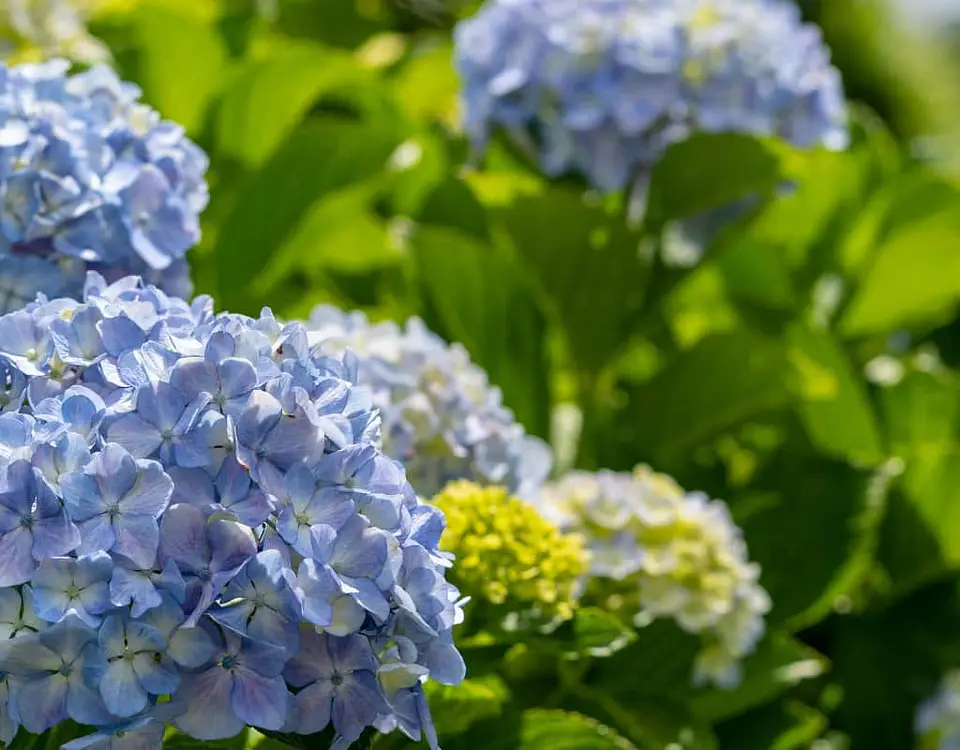
Hydrangea, known locally as Bunga Tiga Bulan and Bunga Siti Zabedah, is cherished by Malaysian gardeners for its stunning, elegant blooms. Successfully propagating hydrangeas in our tropical climate requires understanding the differences between varieties and following proper techniques adapted to our warm, humid conditions.
Understanding Hydrangea Varieties in Malaysia
Two main types of hydrangeas are available in Malaysia: highland varieties and lowland varieties. Each has distinct characteristics and care requirements suited to different growing conditions.
Highland Hydrangeas
Highland hydrangeas typically originate from Cameron Highlands and feature spectacular bloom formations. These plants are usually sold already in flower, which seems attractive but often leads to problems. The early forced blooming creates significant stress on young plants, and when combined with the shock of moving from cool highland conditions (15-20°C) to hot lowland environments (24-32°C), many struggle to survive.
In the worst cases, highland hydrangeas may bloom only once and never flower again, or they may decline and die within a few months. This happens because the plants were pushed to bloom prematurely and lack the strength to adapt to drastically different growing conditions.
Lowland Hydrangeas
Lowland hydrangeas are better adapted to Malaysia’s tropical climate. With proper care, these varieties bloom regularly and are significantly easier to maintain in our warm, humid conditions. For most Malaysian gardeners, lowland varieties offer better long-term success and satisfaction.
How to Tell Them Apart
While the differences are subtle, you can distinguish between highland and lowland hydrangeas by examining two key features:
- Leaf shape: Highland varieties have rounder leaves, while lowland varieties have narrower, more elongated leaves
- Flower bud location: Highland hydrangea buds form at the tip of leaf shoots, whereas lowland hydrangea buds emerge between the leaf nodes along the stem
Step-by-Step Hydrangea Propagation Method
1. Choose Healthy Cuttings
Success begins with selecting the right cuttings. Always choose mature, stable stems rather than young, soft growth. Immature cuttings are vulnerable to disease, pests, and environmental stress, especially in Malaysia’s humid climate where fungal issues can quickly develop.
Use sharp, clean secateurs or a pruning knife to make clean cuts. This prevents injury to both the mother plant and your new cuttings. Aim for cuttings that are 15-20cm long—this length provides enough stem material for root development while maintaining good energy reserves for faster establishment.
2. Prepare Your Propagation Materials
Gather everything you need before starting:
- Hydrangea cuttings (prepared as described above)
- Quality potting soil: Hydrangeas need soil that retains moisture but drains well. Use a premium mix like Serbajadi Potting Soil, which is formulated for Malaysia’s climate and free from pests, diseases, and contaminants
- Rooting hormone: This crucial ingredient stimulates root cell production. Serbajadi Rooting Powder contains auxin hormones that help cuttings switch from producing stem cells to manufacturing root cells, dramatically reducing rooting time
- Appropriate pots: Choose containers sized to your cuttings with drainage holes. Terracotta pots work well as they allow excess moisture to evaporate—important in our humid climate
3. Prepare the Cuttings
Remove all leaves from the bottom half of each cutting. This serves two purposes: it prevents leaves from rotting in the soil and reduces the total leaf area on the cutting.
Next, cut the remaining top leaves in half. This might seem counterintuitive, but it’s essential for success. By reducing leaf surface area, you decrease the rate of photosynthesis and water loss through transpiration. This allows the cutting to redirect its limited energy toward root production rather than maintaining foliage—exactly what you want during the critical rooting phase.
4. Apply Rooting Hormone
Dip the cut end of each stem into rooting hormone powder. Tap off any excess—a light coating is sufficient. The auxin hormones will stimulate root cell formation at the cut surface, significantly improving your success rate and reducing rooting time from weeks to days.
5. Plant and Water the Cuttings
Insert your prepared cuttings into pots filled with quality potting soil. Firm the soil gently around each cutting to ensure good contact between the stem and growing medium.
Water thoroughly after planting. The soil should be evenly moist but never waterlogged. In Malaysia’s humid climate, overwatering is a common mistake that leads to rot. Keep the medium consistently moist to the touch, but ensure excess water drains freely from the pot.
6. Provide Proper Aftercare
Place your potted cuttings in a shaded location protected from direct sunlight and heavy rain. This is crucial in Malaysia’s intense tropical sun—direct exposure will quickly stress vulnerable cuttings and cause them to wilt or die.
Your cuttings are in a fragile state during the rooting period. Too much sun, heat, or water stress will trigger failure. A covered patio, shade house, or area under trees with dappled light provides ideal conditions. Ensure good air circulation to prevent fungal issues in our humid environment.
Monitor soil moisture daily, especially during hot, dry periods. Roots typically begin forming within 2-4 weeks when rooting hormone is used. You’ll know rooting has occurred when you see new leaf growth or feel resistance when gently tugging the cutting.
Tips for Success in Malaysia’s Climate
- Timing matters: Propagate during cooler months (November to February) when possible, as lower temperatures reduce stress on cuttings
- Humidity is your friend: Malaysia’s natural humidity (70-90%) actually helps cuttings, but ensure good air movement to prevent fungal diseases
- Avoid monsoon season: Heavy rains can waterlog cuttings and wash away rooting hormone. If propagating during rainy periods, keep cuttings under cover
- Be patient with highland varieties: If propagating highland hydrangeas, expect a longer adjustment period and potentially lower success rates compared to lowland varieties
- Gradual acclimatization: Once rooted, gradually introduce cuttings to brighter light over 1-2 weeks before transplanting to their final location
Frequently Asked Questions
What is the difference between highland and lowland hydrangeas in Malaysia?
Highland hydrangeas typically originate from Cameron Highlands and have rounder leaves with flower buds forming at the tip of leaf shoots. Lowland hydrangeas have narrower leaves and flower buds emerge between leaf nodes. Lowland varieties are easier to care for in Malaysia’s tropical lowland climate and bloom more reliably with proper care.
Why do highland hydrangeas often fail after purchase in Malaysia?
Highland hydrangeas are often forced to bloom early for sale, which stresses the plants. When moved from cool highland conditions to hot, humid lowland environments, these stressed plants struggle to adapt. Many may not bloom again or may die within a few months due to this environmental shock and pre-existing stress.
How long should hydrangea cuttings be for propagation?
Hydrangea cuttings should be 15-20cm long for optimal propagation success. This length provides enough stem material for root development while maintaining sufficient energy reserves in the cutting. Always use mature, stable stems rather than young, soft growth.
Is rooting hormone necessary for hydrangea propagation?
While not absolutely necessary, rooting hormone significantly improves success rates and speeds up root formation in hydrangea cuttings. Rooting hormone contains auxins that stimulate the cutting to produce root cells instead of stem cells, reducing the time needed for successful propagation.
Where should I place hydrangea cuttings in Malaysia’s climate?
Place hydrangea cuttings in a shaded location protected from direct sunlight and rain. In Malaysia’s hot tropical climate (24-32°C), direct sun will stress vulnerable cuttings and cause failure. A covered area with bright, indirect light and good air circulation is ideal for rooting success.
Conclusion
Propagating hydrangeas in Malaysia’s tropical climate is entirely achievable when you understand the differences between varieties and follow proper techniques. By selecting healthy cuttings, using quality materials like Serbajadi Rooting Powder and Serbajadi Potting Soil, and providing appropriate aftercare, you can successfully multiply these beautiful plants and enjoy their showy blooms throughout the year.
Whether you’re working with highland or lowland varieties, patience and attention to our unique climate conditions will reward you with healthy, thriving hydrangeas that bring elegance to your Malaysian garden.
Looking for quality propagation supplies? Visit Serbajadi Grow Joy Shop for rooting hormones, potting soils, and everything you need for successful plant propagation!
For more gardening tutorials and product demonstrations, check out Serbajadi Grow Joy TV!