How to Grow Aloe Vera in Malaysia: Complete Care Guide
Aloe vera is one of the most popular succulents for Malaysian homes, prized for its striking rosette form, low-maintenance nature, and adaptability to our tropical climate. Whether you’re growing Aloe aristata (Lace aloe), Aloe variegata (Partridge-breasted aloe), or the common medicinal aloe, this comprehensive guide will help you master aloe vera care in Malaysia’s unique conditions of high humidity, warm temperatures (24-32°C), and intense sunlight.
Understanding Aloe Vera: Plant Classification
Classification: Foliage houseplant (Succulent family)
Growth Habit: Bushy, upright succulent with rosette formation
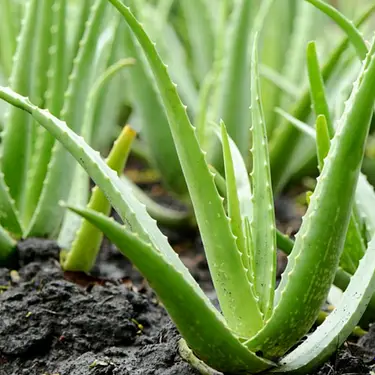
Characteristics: Stemless rosettes of thick, fleshy leaves with serrated edges
Pet Safety: No – toxic to cats and dogs if ingested
Popular Aloe Varieties for Malaysian Gardens
- Aloe aristata (Lace aloe) – Compact variety with white-spotted leaves
- Aloe ferox – Large, architectural species with red-tinged leaves
- Aloe humilis (Hedgehog aloe) – Small, clumping variety perfect for containers
- Aloe jucunda – Colorful variety with pink-tinged foliage
- Aloe mitriformis – Sprawling growth habit with blue-green leaves
- Aloe variegata (Partridge-breasted aloe) – Striking striped pattern on leaves
Essential Care Requirements for Tropical Conditions
Temperature & Climate Considerations
Aloe vera thrives in Malaysia’s warm climate, preferring temperatures between 24-32°C. Unlike temperate regions where aloes go dormant in winter, Malaysian aloes grow year-round. However, our high humidity (often exceeding 80%) requires special attention to watering and soil drainage to prevent fungal issues and root rot.
Light Requirements
Provide bright, indirect light with some direct morning sunlight. In Malaysia’s intense tropical sun, avoid placing aloes in direct afternoon sun (12pm-4pm), which can cause leaf burn and discoloration. Ideal locations include:
- East-facing windows (morning sun)
- Covered balconies with filtered light
- Under shade cloth in outdoor gardens (50% shade)
- Bright indoor spaces 1-2 meters from south-facing windows
Watering Guide for Humid Climates
The most critical aspect of aloe care in Malaysia is proper watering. Our high humidity means soil stays moist longer than in drier climates.
Watering Schedule: Water thoroughly only when the potting medium is completely dry – typically every 7-10 days in Malaysia’s conditions. Always check soil moisture by inserting your finger 5cm deep; if it feels damp, wait.
During Monsoon Season: Reduce watering frequency as natural humidity increases. If growing outdoors, ensure pots have drainage holes and aren’t sitting in water-filled saucers.
Soil & Potting Requirements
Use specialized well-draining cactus and succulent soil. Regular potting soil retains too much moisture in Malaysia’s humid conditions, leading to root rot. We recommend Serbajadi Cactus Soil, specifically formulated for tropical succulent cultivation.
Repotting: Only repot when the plant outgrows its container or shows signs of root binding (typically every 2-3 years). Choose pots with drainage holes and repot during the drier months (February-March or June-August) for best results.
Fertilizing Your Aloe
Feed your aloe during active growth periods with Serbajadi Cactus Growing Inducer, specially formulated for succulent nutrition in tropical conditions. Apply monthly during the growing season for compact, healthy growth.
For flowering varieties, switch to Serbajadi Cactus Flowering Inducer when flower spikes begin to form.
Troubleshooting Common Aloe Problems
Leaf Discoloration Issues
Pale or faded leaves: Insufficient light. Move to a brighter location with more indirect sunlight.
Brown, calloused patches: Sunburn from excessive direct sun. Relocate to a spot with filtered light, especially during midday hours.
Yellow, translucent leaves: Overwatering. Allow soil to dry completely and reduce watering frequency.
Growth Problems
Etiolation (stretching tall): Not enough light causes aloes to stretch upward seeking sun. Move to brighter location immediately. The stretched growth won’t revert, but new growth will be compact.
Shriveled, puckered leaves: Underwatering. Give a thorough watering and establish a more consistent schedule.
Root & Stem Issues
Mushy, falling-apart leaves: Severe overwatering. Remove affected leaves, check roots for rot (brown, mushy roots), trim damaged roots, and repot in fresh Serbajadi Cactus Soil.
Blackening at plant base: Root rot from poor drainage or overwatering. This is serious – remove plant from soil, cut away all rotted tissue, let dry for 2-3 days, then repot in completely fresh, dry soil.
Pest Management for Malaysian Conditions
Common Aloe Pests
Mealybugs: White, cottony insects that cluster in leaf crevices. Wipe off with a cotton bud dipped in rubbing alcohol, then spray with Serbajadi Extra Strength Neem Spray.
Spider mites: Tiny pests that cause stippling and webbing. More common on water-stressed plants. Wipe leaves with damp cloth and treat with Serbajadi Extra Strength Neem Spray. Maintain consistent (not excessive) watering to prevent attacks.
Scale insects: Brown, shell-like bumps on leaves and stems. Scrape off with fingernail or damp cloth, then apply Serbajadi Extra Strength Neem Spray to prevent reinfestation.
Preventive Pest Care
- Inspect plants weekly, especially in leaf crevices
- Quarantine new plants for 2 weeks before placing near other succulents
- Maintain good air circulation to discourage pest establishment
- Avoid overwatering, which weakens plants and attracts pests
Frequently Asked Questions
How often should I water aloe vera in Malaysia?
In Malaysia’s humid climate, water your aloe vera every 7-10 days, only when the soil is completely dry. Overwatering is the most common cause of aloe problems in tropical conditions. Always check soil moisture before watering – if the top 5cm feels damp, wait a few more days.
Can aloe vera survive in Malaysia’s hot weather?
Yes, aloe vera thrives in Malaysia’s warm temperatures (24-32°C). However, protect it from intense afternoon sun between 12pm-4pm to prevent leaf sunburn. Provide bright, indirect light with some morning sun for best results.
Why are my aloe vera leaves turning brown?
Brown leaves indicate either sunburn from too much direct sun, or overwatering leading to root rot. If leaves are brown and calloused, move to shadier location. If leaves are brown, mushy, and falling apart, reduce watering immediately and check for root rot.
What soil is best for aloe vera in Malaysia?
Use specialized cactus and succulent soil with excellent drainage. Serbajadi Cactus Soil is formulated for Malaysia’s humid conditions and prevents waterlogging that causes root rot. Never use regular potting soil as it retains too much moisture.
Is aloe vera safe for pets?
No, aloe vera is toxic to cats and dogs. The plant contains compounds that can cause vomiting, diarrhea, and lethargy if ingested. Keep aloe plants out of reach of pets, or choose pet-safe succulents like Haworthia or Echeveria instead.
Start Your Aloe Journey Today
With proper care adapted to Malaysia’s tropical conditions, aloe vera makes an excellent low-maintenance houseplant that rewards you with architectural beauty and resilient growth. Remember the golden rules: bright indirect light, infrequent but thorough watering, and well-draining soil.
Shop our complete range of succulent care products with free shipping for orders over RM200 in the Klang Valley. Have questions? Our horticultural experts are here to help you grow with confidence.