How to Grow Aeonium Succulents in Malaysia
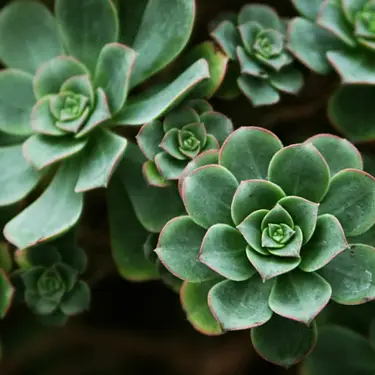
Aeonium succulents are stunning rosette-forming plants that bring architectural beauty to any indoor or outdoor space. With their striking leaf formations ranging from vibrant yellow-green to deep burgundy and almost black, these Mediterranean natives can thrive in Malaysia’s tropical climate with proper care. This comprehensive guide will help you successfully grow healthy Aeonium plants in our warm, humid conditions.
About Aeonium Succulents
Classification: Foliage houseplant
Growth Habit: Bushy and upright succulent with rosette formation (varies by variety)
Characteristics: Distinctive rosettes of fleshy leaves in colors ranging from yellow-green to deep purple and black
Climate Suitability: Adaptable to Malaysia’s tropical climate (24-32°C) with proper care
Popular Aeonium Varieties
- Aeonium arboreum – Tree-like growth with green rosettes
- Aeonium arboreum ‘Atropurpureum’ – Purple-bronze foliage variety
- Aeonium arboreum ‘Schwarzkopf’ (Black Rose) – Dramatic near-black rosettes
- Aeonium tabuliforme (Saucer Plant) – Flat, plate-like rosettes
Essential Care Requirements for Aeonium in Malaysia
Light Requirements
Aeoniums need bright, indirect light with some direct sunlight to maintain their vibrant colors and compact growth. In Malaysia’s intense tropical sun, provide semi-shade conditions with morning sun exposure. Avoid harsh afternoon sunlight between 12 PM and 4 PM, which can scorch the leaves and cause brown, calloused patches.
Signs of insufficient light:
- Leaf discoloration and fading of vibrant colors
- Etiolation (stretching) – stems become elongated and weak
- Rosettes lose their tight, compact form
Temperature and Humidity
Aeoniums prefer average warmth and adapt well to Malaysia’s consistent temperatures of 24-32°C. However, our high humidity (often above 80%) requires careful watering management to prevent fungal issues and root rot. Ensure good air circulation around your plants, especially during the monsoon season.
Watering Guidelines
Proper watering is crucial for Aeonium success in tropical climates. Unlike many succulents, Aeoniums have a winter growing season and summer dormancy period, though this is less pronounced in Malaysia’s year-round warmth.
Watering schedule:
- Water thoroughly only when the potting medium is completely dry
- In Malaysia’s humidity, this typically means every 7-10 days
- Reduce watering during extremely hot periods when plants may enter semi-dormancy
- During monsoon season, check soil moisture carefully before watering
Warning signs:
- Underwatering: Leaves shrivel, pucker, or become dry and calloused
- Overwatering: Leaves become mushy, fall apart easily, or turn brown/black at the base
Soil and Potting
Excellent drainage is non-negotiable for Aeoniums, especially in Malaysia’s humid environment. Use a specialized succulent mix that allows water to drain quickly while providing adequate nutrients.
Recommended soil: Serbajadi Cactus Soil – specially formulated for succulents and cacti with optimal drainage properties.
Repotting: Only repot when absolutely necessary, as Aeoniums prefer being slightly root-bound. If repotting is needed, use either Serbajadi Potting Soil mixed with perlite for drainage, or stick with the specialized cactus soil mix.
Fertilizing
Feed your Aeonium during active growth periods to promote healthy rosette development and vibrant leaf coloration. Use a specialized succulent fertilizer at half the recommended strength.
Recommended fertilizer: Serbajadi Cactus Growing Inducer – formulated specifically for cacti and succulents to support healthy growth without promoting excessive soft growth that’s prone to rot.
Apply every 4-6 weeks during the growing season. Reduce or stop fertilizing during extremely hot periods when growth slows.
Common Problems and Solutions
Growth and Appearance Issues
| Problem | Cause | Solution |
|---|---|---|
| Leaf discoloration, fading colors | Insufficient light | Move to brighter location with more indirect light |
| Sudden tall, leggy growth (etiolation) | Not enough light | Increase light exposure; consider pruning and propagating |
| Brown, calloused patches on leaves | Sunburn from intense direct sun | Move to semi-shade; provide afternoon shade |
| Shriveled, puckered leaves | Underwatering | Water thoroughly; establish regular watering schedule |
| Dry, brown, calloused leaves | Severe underwatering | Increase watering frequency; check soil moisture regularly |
| Mushy leaves that fall apart | Overwatering | Reduce watering; allow soil to dry completely |
| Root rot | Poor drainage and/or overwatering | Repot in fresh, well-draining soil; trim rotted roots |
| Browning/blackening leaves or stems | Overwatering, possible rot | Cut back watering immediately; improve drainage |
| Browning/blackening at plant base | Severe overwatering, stem rot | Remove affected parts; propagate healthy rosettes |
Pest Management
While Aeoniums are relatively pest-resistant, Malaysia’s warm, humid climate can attract certain insects. Regular inspection is key to early detection and treatment.
Common pests and treatment:
- Mealybugs: White, cottony insects that cluster in leaf joints and on stems. Wipe off with a damp cloth or cotton bud, then spray thoroughly with Serbajadi Extra Strength Neem Spray. Repeat treatment weekly until eliminated.
- Spider Mites: Tiny pests that cause stippling and webbing on leaves. These attack water-stressed plants, so maintain consistent (but not excessive) watering. Remove with a damp cloth and treat with Serbajadi Extra Strength Neem Spray. Increase humidity slightly around the plant.
- Scale Insects: Brown, shell-like pests that attach to stems and leaves. Scrape off gently with a damp cloth or cotton bud, then apply Serbajadi Extra Strength Neem Spray to prevent reinfestation.
Prevention tips:
- Inspect new plants before introducing them to your collection
- Maintain good air circulation
- Avoid overwatering, which weakens plants
- Keep plants clean and remove dead leaves promptly
Propagation Tips
Aeoniums are easy to propagate from stem cuttings or offsets, making them excellent plants for sharing with fellow gardeners.
Propagation method:
- Cut a healthy rosette with 5-8 cm of stem attached
- Allow the cutting to callous over for 2-3 days in a shaded, dry location
- Plant in Serbajadi Cactus Soil
- Water lightly after 5-7 days once roots begin to form
- Keep in bright, indirect light until established
Seasonal Care in Malaysia
While Malaysia doesn’t have distinct seasons, our climate does vary between drier and wetter periods:
Monsoon season (November-February):
- Reduce watering frequency due to increased humidity
- Ensure excellent air circulation to prevent fungal issues
- Move outdoor plants under shelter during heavy rains
Hot, dry periods (March-April, June-September):
- Monitor soil moisture more frequently
- Provide afternoon shade to prevent heat stress
- Watch for signs of dormancy (slower growth) and reduce fertilizing
Frequently Asked Questions
How often should I water Aeonium succulents in Malaysia?
In Malaysia’s humid climate, water your Aeonium only when the soil is completely dry, typically every 7-10 days. During the monsoon season, reduce watering frequency as humidity levels are higher. Always check that the top 2-3 cm of soil is dry before watering again.
Can Aeonium succulents tolerate Malaysia’s tropical heat?
Yes, but they need protection from intense afternoon sun. Aeoniums prefer temperatures between 24-32°C and thrive in bright, indirect light with some morning sun. In Malaysia’s hot climate, provide semi-shade during peak afternoon hours to prevent sunburn and leaf scorching.
Why are my Aeonium leaves turning brown?
Brown leaves on Aeonium typically indicate either overwatering or sunburn. If leaves are mushy and brown, reduce watering and check for root rot. If leaves are dry and calloused, move the plant to a location with less direct sunlight. In Malaysia’s high humidity, overwatering is the most common cause.
What soil is best for Aeonium in tropical climates?
Use a specialized cactus and succulent soil mix like Serbajadi Cactus Soil that provides excellent drainage. In Malaysia’s humid conditions, good drainage is critical to prevent root rot. The soil should dry out completely between waterings.
How do I treat pests on my Aeonium succulent?
For mealybugs, spider mites, or scale insects, first wipe them off with a damp cloth or cotton bud. Then spray the entire plant with Serbajadi Extra Strength Neem Spray. For spider mites, maintain consistent watering as they attack water-stressed plants. Repeat treatment every 7 days until pests are eliminated.
Conclusion
Growing Aeonium succulents in Malaysia is rewarding when you understand their specific needs in our tropical climate. The key to success lies in balancing light exposure, managing watering carefully in our humid conditions, and using well-draining soil. With proper care, these architectural beauties will reward you with stunning rosettes and vibrant colors year-round.
Ready to start your Aeonium collection? Visit Serbajadi’s online shop for all your succulent care essentials, from specialized soil to organic pest control solutions.