How to Grow Sago Palms in Malaysia: Complete Care Guide
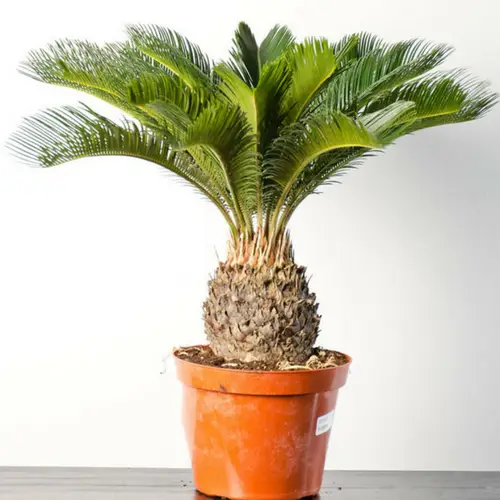
The Sago Palm (Cycas revoluta) is a stunning architectural plant that brings a touch of prehistoric elegance to Malaysian homes and gardens. Despite its common name, this plant isn’t actually a palm—it’s a cycad, one of the oldest plant families on Earth. With its attractive rosette of stiff, dark green fronds arching gracefully from a central trunk, the Sago Palm makes an impressive statement piece for indoor spaces or shaded outdoor areas.
Growing Sago Palms in Malaysia’s tropical climate (24-32°C with high humidity) is relatively straightforward once you understand their specific needs. This slow-growing plant thrives in our warm conditions but requires careful attention to watering, drainage, and pest management to maintain its striking appearance.
Sago Palm Quick Reference
- Botanical Name: Cycas revoluta
- Common Name: Sago Palm, King Sago, Sago Cycad
- Classification: Foliage houseplant / Cycad
- Character: Attractive, dark green rosette of stiff arching fronds
- Growth Rate: Very slow (2-3 cm per year)
- Safe for Pets: NO – Highly Toxic
- Ideal for: Indoor feature plant, shaded patios, tropical landscaping
Essential Care Requirements for Malaysian Climate
Temperature & Light
Temperature: Sago Palms thrive in Malaysia’s average warmth of 24-32°C. They’re well-adapted to our tropical conditions and don’t require special temperature adjustments indoors.
Light: Provide partial shade or filtered bright light. While Sago Palms can tolerate some direct morning sun, avoid intense afternoon sun which can scorch the fronds during Malaysia’s hottest months. Indoors, place near an east-facing window or in a bright room with indirect light. Outdoors, position under tree canopy or in areas that receive dappled sunlight.
Watering & Humidity
Watering: Water liberally during the growing season, keeping the soil consistently moist but never waterlogged. In Malaysia’s hot, dry periods, check soil moisture regularly—Sago Palms are surprisingly thirsty despite their drought-tolerant appearance. During monsoon season, reduce watering frequency and ensure excellent drainage to prevent root rot.
Drainage: This is critical. Sago Palms absolutely require well-draining soil. Waterlogged roots will quickly lead to rot, especially during Malaysia’s heavy rainfall periods. Always use pots with drainage holes and ensure water flows freely through the soil.
Humidity: Malaysia’s naturally high humidity (70-90%) is perfect for Sago Palms. No additional humidity measures are needed.
Soil & Repotting
Soil Mix: Use a well-draining potting mix that retains some moisture while allowing excess water to escape. Serbajadi Multi-Purpose Compost provides excellent structure and drainage, ideal for cycads in tropical conditions.
Repotting: Sago Palms are slow growers and prefer being slightly pot-bound. Repot only when absolutely necessary—typically every 3-5 years or when roots are severely crowded. Choose a pot only slightly larger than the current one. The best time to repot is during the warmer months when the plant is actively growing.
Fertilizing
Feed your Sago Palm every 2-3 months during the growing season with Growing Inducer 45. This balanced fertilizer provides the nitrogen needed to maintain the plant’s characteristic deep green foliage and supports steady (though slow) growth.
Malaysia’s frequent monsoon rains can leach nutrients from the soil, making regular fertilization especially important for potted Sago Palms. For slow-release feeding that lasts longer between applications, consider Controlled Release Fertiliser, which is particularly useful during the rainy season.
Common Problems & Solutions
Leaf Issues
Leaves with brown tips: This usually indicates low humidity (rare in Malaysia), underwatering, or physical damage from touching. Sago Palm fronds are stiff and sharp—handle carefully and avoid frequent touching. Ensure consistent watering, especially during hot, dry spells.
Leaves with brown spots: Brown spotting can indicate leaf spot disease (fungal), overwatering, or sudden temperature changes. Improve air circulation, reduce watering if soil is soggy, and remove affected fronds. In persistent cases, ensure the plant isn’t exposed to cold air-conditioning drafts.
Yellowing leaves: Yellow fronds typically signal underwatering or nutrient deficiency. Check soil moisture and increase watering frequency if needed. Apply Growing Inducer 45 to restore nutrients.
Brown leaves (natural aging): Older, lower fronds naturally turn brown and die as new growth emerges from the center. This is normal. Simply prune away dead fronds at the base using clean, sharp pruners.
Brown leaves with rotting trunk: This is serious and indicates overwatering and root rot. Reduce watering immediately, improve drainage, and consider repotting in fresh, well-draining soil. Remove any mushy, rotted roots during repotting.
Pest Management
Scale Insects
Scale insects appear as small, brown, shell-like bumps on fronds and stems. They’re common pests on Sago Palms in Malaysia’s humid climate.
Treatment: Wipe off scales with a damp cloth or cotton bud dipped in soapy water. Follow up by spraying the entire plant with Natural Neem Spray. For heavy infestations, use Extra Strength Neem Spray. Repeat treatment every 7-10 days until eliminated.
Mealybugs
Mealybugs look like small white cottony masses, typically found in leaf crevices and on new growth.
Treatment: Remove visible mealybugs with a cotton bud dipped in rubbing alcohol or soapy water. Spray thoroughly with Natural Neem Spray, ensuring coverage of all leaf crevices where pests hide.
Aphids
Aphids are small, soft-bodied insects that cluster on new growth, sucking plant sap.
Treatment: First, spray the plant with a strong stream of water to dislodge aphids. Follow immediately with Natural Neem Spray to prevent reinfestation. Repeat weekly if needed.
Growing Tips for Malaysian Gardeners
- Monsoon preparation: During heavy rain periods, move potted Sago Palms to covered areas or ensure drainage holes aren’t blocked. Excess water is the biggest threat during monsoon season.
- New growth: Sago Palms produce new fronds in flushes, typically once or twice per year. New fronds emerge from the center in a circular pattern—avoid touching them as they’re very delicate when young.
- Pruning: Only remove completely brown, dead fronds. Cut them as close to the trunk as possible. Never remove fronds that are still partially green—they’re still providing energy to the plant.
- Patience is key: Sago Palms are extremely slow growers. Don’t expect rapid growth or frequent new fronds. This slow growth is normal and part of their ancient cycad nature.
- Air circulation: Ensure good air movement around your Sago Palm, especially indoors. This helps prevent fungal issues in Malaysia’s humid climate.
Frequently Asked Questions
Are Sago Palms safe for pets?
No, Sago Palms (Cycas revoluta) are highly toxic to pets and humans. All parts of the plant contain cycasin, which is extremely poisonous if ingested. Keep Sago Palms away from children and pets, and seek immediate veterinary or medical attention if ingestion occurs.
Why are my Sago Palm leaves turning yellow?
Yellowing leaves on Sago Palms typically indicate underwatering, especially during Malaysia’s hot, dry periods. Ensure consistent watering while maintaining good drainage. Yellowing can also result from nutrient deficiency—apply Growing Inducer 45 to restore vibrant green color.
How often should I fertilize my Sago Palm in Malaysia?
Fertilize your Sago Palm every 2-3 months during the growing season using Growing Inducer 45. Malaysia’s tropical climate and frequent monsoon rains can wash away nutrients, so regular feeding helps maintain the plant’s attractive dark green foliage and steady growth.
Can Sago Palms grow in full sun in Malaysia?
Sago Palms prefer partial shade in Malaysia’s intense tropical climate. While they can tolerate some morning sun, direct afternoon sun (especially during hot months) can scorch the fronds and cause brown tips. A location with filtered light or morning sun only is ideal.
How do I treat scale insects on my Sago Palm?
To treat scale insects, first wipe them off with a damp cloth or cotton bud dipped in soapy water. Then spray the entire plant with Natural Neem Spray or Extra Strength Neem Spray for severe infestations. Repeat treatment every 7-10 days until scales are eliminated.
Final Thoughts
Sago Palms are magnificent architectural plants that reward patient gardeners with years of striking beauty. Their prehistoric appearance and low-maintenance nature (once you master the watering balance) make them excellent choices for Malaysian homes and gardens. Just remember the critical safety precaution—these plants are highly toxic and must be kept away from children and pets.
With proper care—partial shade, consistent watering with excellent drainage, regular feeding, and vigilant pest management—your Sago Palm will become a stunning focal point that grows more impressive with each passing year.
Ready to start growing your own Sago Palm? Visit Serbajadi’s online shop for all the essential care products mentioned in this guide, specially formulated for Malaysia’s tropical climate.