How to Grow Feather Palms in Malaysia: Complete Care Guide
Feather palms are among the most elegant and air-purifying houseplants you can grow in Malaysia’s tropical climate. With their graceful, arching fronds divided along a central stem, these palms bring a touch of paradise indoors while naturally filtering your home’s air. Several varieties are even recognized by NASA for their exceptional air-cleaning abilities, removing common indoor pollutants.
Malaysia’s warm temperatures (24-32°C) and high humidity create near-perfect conditions for feather palms, making them easier to grow here than in temperate climates. Whether you’re cultivating a compact Parlour Palm in your apartment or a stately Kentia Palm in your living room, this guide will help you achieve lush, healthy growth.
What Are Feather Palms?
Classification: Foliage houseplant
Plant Group: Palms (Arecaceae family)
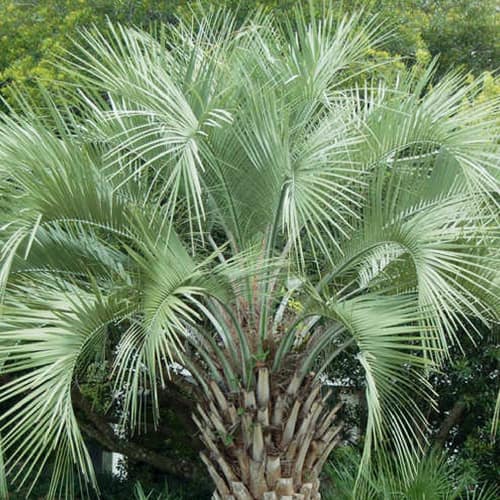
Distinguishing Feature: Fronds are pinnately divided, with leaflets arranged on either side of the midrib like a feather
Pet Safety: Yes, most varieties are non-toxic to cats and dogs
Air Purification: Listed among NASA’s air-filtering plants
Popular Feather Palm Varieties for Malaysian Homes
Compact Varieties (Ideal for Apartments)
- Parlour Palm (Chamaedorea elegans, also known as Neanthe bella or Collinia elegans) – The most popular indoor palm, slow-growing and shade-tolerant
- Dwarf Coconut Palm (Syagrus weddeliana, formerly Cocos weddeliana or Microcoelum weddelianum) – Delicate, fine-textured fronds perfect for tabletops
- Dwarf Date Palm (Phoenix roebelenii) – Compact with elegant arching fronds
Statement Varieties (For Spacious Rooms)
- Kentia Palm (Howea forsteriana, also called Paradise Palm) – Graceful, tolerant of lower light
- Sentry Palm (Howea belmoreana, also known as Curly Palm) – Similar to Kentia but with more upright fronds
- Canary Date Palm (Phoenix canariensis) – Bold architectural presence, best for large spaces
- Coconut Palm (Cocos nucifera) – The iconic tropical palm, requires bright conditions
Essential Care Guide for Malaysian Climate
Light Requirements
Feather palms thrive in bright, indirect light or partial shade. In Malaysia, avoid placing them in direct afternoon sun, which can scorch the delicate fronds. East or north-facing windows provide ideal conditions. Most varieties adapt well to lower light, making them perfect for Malaysian offices and HDB flats.
Temperature
Feather palms prefer average warmth (24-28°C), which aligns perfectly with Malaysia’s year-round tropical climate. They tolerate our occasional hot spells above 30°C but appreciate good air circulation. Avoid placing near air-conditioning vents that create cold drafts.
Watering
Water liberally to keep soil consistently moist but never waterlogged. During Malaysia’s hot, dry periods, this may mean watering 2-3 times weekly. Key points:
- Check the top 2-3cm of soil – water when it feels dry
- Ensure pots have drainage holes to prevent root rot
- Use room-temperature water to avoid shocking roots
- Reduce watering slightly during monsoon seasons when humidity is naturally high
- Never let palms sit in standing water
Humidity
Feather palms love high humidity (60-80%), which Malaysia naturally provides. However, air-conditioned homes can become too dry. Increase humidity by:
- Misting fronds daily with room-temperature water
- Grouping plants together to create a humid microclimate
- Placing pots on pebble trays filled with water (ensure pot base doesn’t touch water)
Soil and Repotting
Repot only when necessary – typically every 2-3 years when roots emerge from drainage holes or growth slows significantly. Palms prefer being slightly root-bound. When repotting:
- Use Serbajadi Organic Peat Moss for excellent moisture retention and aeration
- Alternatively, use Serbajadi Multi-Purpose Compost for nutrient-rich, well-draining medium
- Choose a pot only 5cm larger than the current one
- Handle roots gently – palms are sensitive to root disturbance
Fertilizing
Feed monthly during active growing periods (typically year-round in Malaysia’s climate) with Serbajadi Plant Food Organic Plus 23 Growing Fertilisers. This balanced organic formula:
- Promotes steady, healthy frond development
- Won’t wash away quickly during Malaysia’s heavy rainfall
- Builds soil health for long-term palm vitality
- Reduces risk of fertilizer burn on sensitive palm roots
Troubleshooting Common Problems
Leaf Issues
Brown Tips on Fronds
Causes: Low humidity, underwatering, or physical damage from touching
Solutions: Increase humidity through misting, ensure consistent watering, and avoid touching delicate fronds. Trim brown tips with clean scissors at an angle to maintain appearance.
Brown Spots on Leaves
Causes: Leaf spot disease (fungal), overwatering, or sudden temperature changes
Solutions: Improve air circulation, reduce watering frequency, ensure soil drains well, and avoid temperature fluctuations from air-conditioning.
Yellowing Leaves
Causes: Underwatering or nutrient deficiency
Solutions: Check soil moisture regularly and maintain consistent watering schedule. Feed monthly with balanced fertilizer.
Brown Leaves (Lower Fronds)
Causes: Natural aging process
Solutions: This is normal. Remove completely brown fronds at the base to maintain appearance and redirect energy to new growth.
Brown Leaves with Rotting Base
Causes: Overwatering and poor drainage
Solutions: Reduce watering immediately, ensure pot has adequate drainage holes, and consider repotting in fresh, well-draining medium.
Pest Management
Scale Insects
Small, brown, shell-like bumps on fronds and stems that suck plant sap.
Treatment: Wipe off with a damp cloth or cotton bud dipped in soapy water. Spray affected areas with Serbajadi Neem Spray Extra Strength for organic control. Repeat weekly until infestation clears.
Mealybugs
White, cottony masses in leaf axils and undersides of fronds.
Treatment: Remove visible mealybugs with a damp cloth or cotton bud. Spray thoroughly with Serbajadi Neem Spray Extra Strength, ensuring coverage of all leaf surfaces and crevices.
Aphids
Tiny green or black insects clustering on new growth.
Treatment: Spray plant with high-pressure water to dislodge aphids, then follow up with Serbajadi Neem Spray Extra Strength. Repeat every 5-7 days until aphids are eliminated.
Pro Tips for Malaysian Growers
- Monsoon care: During heavy rain seasons, reduce watering frequency as humidity naturally increases
- Dust management: Wipe fronds monthly with a damp cloth to remove dust and improve photosynthesis
- Air circulation: Ensure good airflow to prevent fungal issues in Malaysia’s humid climate
- Patience pays: Palms are slow growers – don’t over-fertilize trying to speed growth
- Chlorine sensitivity: If using tap water, let it sit overnight to allow chlorine to dissipate
Frequently Asked Questions
Are feather palms safe for pets?
Yes, most feather palms including Parlour Palm (Chamaedorea elegans), Kentia Palm, and Areca Palm are non-toxic and safe for cats and dogs, making them excellent choices for Malaysian pet-friendly homes.
Why do my feather palm leaves have brown tips?
Brown tips on feather palms typically indicate low humidity, underwatering, or physical damage from touching. In air-conditioned Malaysian homes, increase humidity by misting regularly. Avoid touching the delicate fronds and ensure consistent watering.
How often should I water feather palms in Malaysia?
In Malaysia’s tropical climate (24-32°C), water feather palms when the top 2-3cm of soil feels dry, typically 2-3 times weekly during hot periods. Ensure excellent drainage to prevent root rot. Reduce frequency during monsoon seasons when humidity is naturally high.
What’s the best fertilizer for feather palms?
Use a balanced organic fertilizer like Serbajadi Plant Food Organic Plus 23 monthly during the growing season. Organic fertilizers release nutrients slowly, perfect for Malaysia’s heavy rainfall which can wash away synthetic fertilizers.
Can feather palms purify indoor air?
Yes, several feather palms including Areca Palm and Parlour Palm are listed in NASA’s air-filtering plants study. They effectively remove indoor air pollutants like formaldehyde and benzene, making them ideal for Malaysian homes and offices.
Why are my palm fronds turning yellow?
Yellowing fronds usually indicate underwatering or nutrient deficiency. Check that you’re watering consistently when the top layer of soil dries out. Feed monthly with balanced fertilizer. Note that occasional yellowing of the oldest, lowest fronds is natural as the plant matures.
How do I increase humidity for my palm in an air-conditioned room?
Mist fronds daily with room-temperature water, group plants together to create a humid microclimate, or place the pot on a pebble tray filled with water (ensuring the pot base doesn’t touch the water). These methods help compensate for the drying effect of air-conditioning.