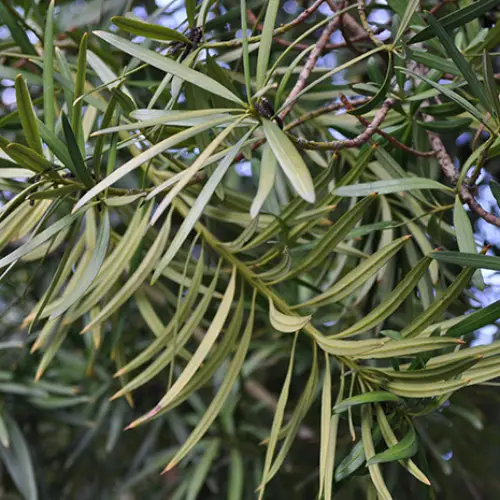
How to Grow Podocarpus in Malaysia: Complete Care Guide
Podocarpus, commonly known as Buddhist Pine or Southern Yew, is an elegant foliage houseplant that thrives in Malaysia’s tropical climate. With its upright growth habit, narrow glossy leaves, and durable nature, Podocarpus makes an excellent choice for indoor spaces, offices, and shaded outdoor areas. This comprehensive guide will help you successfully grow and care for Podocarpus in conditions typical of Malaysia’s warm, humid environment (24-32°C with 80%+ humidity).
About Podocarpus
Classification: Foliage Houseplant
Plant Type: Tree/Shrub
Character: Durable plant with upright stems and narrow, glossy dark green leaves
Safe for Pets: No – toxic to cats and dogs if ingested
Popular Varieties
- Podocarpus macrophyllus – The classic Buddhist Pine with larger leaves, ideal for indoor cultivation
- Podocarpus macrophyllus ‘Maki’ – Also known as Southern Yew, features more compact growth and smaller leaves, perfect for bonsai styling
Podocarpus Care Requirements
Light Requirements
Podocarpus prefers bright indirect light with some gentle morning sun. In Malaysia’s intense tropical conditions, avoid placing the plant in direct afternoon sunlight, which can scorch the delicate foliage. East-facing windows or locations with filtered light work best. The plant can tolerate lower light conditions but may grow more slowly and produce less dense foliage.
Temperature
Podocarpus thrives in cool to moderate temperatures. In Malaysia, it adapts well to indoor air-conditioned environments (22-26°C) and naturally ventilated spaces. The plant tolerates our tropical heat but performs best when protected from extreme temperature fluctuations and hot afternoon sun.
Watering
Keep the planting medium consistently moist but never waterlogged. In Malaysia’s high humidity environment, check the soil moisture regularly – water when the top 2-3cm feels slightly dry to the touch. During the monsoon season, reduce watering frequency as the plant requires less water. Proper drainage is critical to prevent root rot, especially during heavy rainfall periods.
Pro Tip: Water-stressed Podocarpus becomes vulnerable to pest attacks. Maintain consistent moisture levels without overwatering to keep your plant healthy and pest-resistant.
Soil and Repotting
Podocarpus requires well-draining, nutrient-rich soil. Repot every 2-3 years or when the plant becomes root-bound, typically in the early part of the year before the hot season. Use either:
- Serbajadi Potting Soil – Provides excellent drainage and aeration
- Serbajadi Multi-Purpose Compost – Enriched with organic matter for moisture retention during dry spells
For improved drainage in Malaysia’s heavy monsoon conditions, mix in Serbajadi Perlite at a ratio of 3:1 (soil to perlite).
Fertilizing
Feed your Podocarpus regularly to maintain lush, deep green foliage. Apply Serbajadi Growing Inducer 45 every 2-3 weeks during the growing season. This balanced fertilizer promotes healthy stem growth and vibrant foliage color.
During Malaysia’s monsoon season when nutrients wash out quickly from frequent rainfall, consider switching to Serbajadi Controlled Release Fertiliser for longer-lasting nutrition that won’t leach away.
Common Problems and Solutions
Yellowing Leaves
Cause: Overwatering or poor drainage
Solution: Check that your pot has adequate drainage holes. Allow the top layer of soil to dry slightly between waterings. If the problem persists, repot using fresh, well-draining soil mixed with perlite. In Malaysia’s humid climate, yellowing often occurs during the monsoon season when soil stays wet too long.
Leaf Drop
Cause: Inconsistent watering or sudden temperature changes
Solution: Maintain a consistent watering schedule and protect the plant from air conditioning vents or sudden drafts. Podocarpus dislikes rapid environmental changes.
Slow Growth or Pale Leaves
Cause: Insufficient light or nutrient deficiency
Solution: Move to a brighter location with indirect light and resume regular fertilizing with Serbajadi Growing Inducer 45.
Pest Management
Spider Mites
These tiny pests appear as fine webbing on leaves and cause stippling damage. Spider mites thrive on water-stressed plants, particularly during dry periods between monsoons.
Treatment:
- Wipe affected leaves with a damp cloth or cotton bud to remove mites
- Spray thoroughly with Serbajadi Extra Strength Neem Spray
- Maintain consistent watering to prevent future infestations
- Increase humidity around the plant by misting or using a pebble tray
Scale Insects
Scale appears as small brown bumps on stems and leaf undersides, sucking sap and weakening the plant.
Treatment:
- Manually remove visible scales with a damp cloth or cotton bud dipped in rubbing alcohol
- Spray affected areas with Serbajadi Extra Strength Neem Spray
- Repeat treatment every 7-10 days until infestation is cleared
- Isolate affected plants to prevent spread to other houseplants
Styling and Pruning
Podocarpus responds well to pruning and can be shaped into various forms including bonsai, topiary, or maintained as a compact indoor tree. Prune in early spring before the growing season to maintain desired shape and size. Use clean, sharp pruning shears and seal larger cuts with Serbajadi Plant Wound Dresser to prevent infection.
Propagation
Podocarpus can be propagated from semi-hardwood cuttings taken in late spring or early summer. Dip cut ends in Serbajadi Rooting Powder to encourage root development. Keep cuttings in a warm, humid environment with bright indirect light until roots establish.
Why Choose Podocarpus for Malaysian Homes
Podocarpus is an excellent choice for Malaysian gardeners because it:
- Tolerates high humidity (80%+) typical of our tropical climate
- Adapts well to air-conditioned indoor environments
- Requires minimal maintenance once established
- Provides year-round greenery with elegant, architectural form
- Can be styled as bonsai or topiary for creative expression
- Purifies indoor air while adding natural beauty
Frequently Asked Questions
Is Podocarpus safe for pets?
No, Podocarpus is not safe for pets. All parts of the plant contain toxic compounds that can be harmful if ingested by cats or dogs. Keep this plant out of reach of pets and consider pet-safe alternatives if you have curious animals at home.
How often should I water Podocarpus in Malaysia?
In Malaysia’s tropical climate with high humidity (80%+), water your Podocarpus when the top 2-3cm of soil feels slightly dry. This typically means watering 2-3 times per week, but adjust based on your specific conditions. During the monsoon season, reduce watering frequency as the plant requires less water. Always ensure proper drainage to prevent root rot.
Why are my Podocarpus leaves turning yellow?
Yellow leaves on Podocarpus typically indicate overwatering or poor drainage. Check that your pot has adequate drainage holes and that the soil isn’t staying waterlogged. Allow the top layer of soil to dry slightly between waterings. If drainage is poor, repot using Serbajadi Potting Soil mixed with perlite for better aeration.
Can Podocarpus grow indoors in Malaysia?
Yes, Podocarpus grows well indoors in Malaysia’s tropical climate (24-32°C). Place it in a location with bright indirect light, such as near an east-facing window. The plant tolerates Malaysia’s high humidity well and adapts to air-conditioned environments. Ensure good air circulation and consistent watering for best results.
What fertilizer is best for Podocarpus?
For healthy foliage growth, use Serbajadi Growing Inducer 45, which provides balanced nutrition for Podocarpus. Apply every 2-3 weeks during the growing season. This fertilizer promotes lush, deep green foliage and strong stem development. During the monsoon season when nutrients wash out quickly, consider using Serbajadi Controlled Release Fertiliser for longer-lasting nutrition.
Conclusion
Podocarpus is a rewarding plant for Malaysian gardeners seeking an elegant, low-maintenance foliage plant. With proper care including bright indirect light, consistent moisture, regular fertilizing, and pest monitoring, your Podocarpus will thrive in our tropical climate and provide years of natural beauty. Whether grown as an indoor tree, styled as bonsai, or shaped into topiary, this versatile plant adds sophistication to any space.
For all your Podocarpus care needs, visit Serbajadi’s online shop for quality fertilizers, soil mixes, and pest control solutions specifically formulated for Malaysia’s tropical growing conditions.