Pilea Care Guide Malaysia: Growing Tips for Tropical Climate
Pilea plants have become increasingly popular among Malaysian indoor plant enthusiasts, and for good reason. These attractive foliage houseplants are relatively easy to care for, making them perfect for beginners navigating our tropical climate. With their distinctive textured leaves and compact growth habits, Pilea varieties add visual interest to any indoor space while thriving in Malaysia’s warm, humid conditions of 24-32°C.
Understanding Pilea: Plant Classification and Characteristics
Classification: Foliage Houseplant
Growth Habit: Bushy and trailing (variety-dependent)
Difficulty Level: Easy to grow, beginner-friendly
Pet Safety: No – Toxic to cats and dogs
Important Safety Note: Pilea plants contain saponins that are mildly toxic to pets. If ingested, they can cause vomiting, drooling, and gastrointestinal upset in cats and dogs. Keep these plants out of reach of curious pets, or consider pet-safe alternatives like Haworthia or Echeveria succulents.
Popular Pilea Varieties for Malaysian Homes
Several Pilea species adapt beautifully to indoor conditions in Malaysia:
- Pilea peperomioides (Chinese Money Plant) – Round, coin-shaped leaves on upright stems
- Pilea cadierei (Aluminium Plant) – Striking silver markings on dark green leaves
- Pilea ‘Bronze’ (Silver Tree) – Metallic bronze-tinted foliage
- Pilea microphylla (Artillery Plant) – Tiny leaves with fern-like appearance
- Pilea ‘Moon Valley’ (Pilea mollis) – Deeply textured, quilted leaves
- Pilea ‘Norfolk’ – Compact variety with attractive leaf patterns
- Pilea nummulariifolia (Creeping Charlie) – Trailing variety perfect for hanging baskets
- Pilea repens (Black Leaf Panamiga) – Dark burgundy undersides create dramatic contrast
Essential Pilea Care for Malaysia’s Tropical Climate
Temperature Requirements
Pilea plants thrive in temperatures between 18-28°C, which aligns perfectly with most Malaysian indoor environments. They appreciate the consistent warmth our climate provides year-round. However, avoid placing them directly under air-conditioning vents, as sudden temperature drops and cold drafts can stress the plant and cause leaf drop.
Light Requirements
Provide bright, indirect light for optimal growth. In Malaysia’s intense tropical sun, direct sunlight can scorch Pilea leaves, causing brown patches and fading. Position your plant:
- Near east-facing windows for gentle morning light
- 1-2 meters from south or west-facing windows
- Behind sheer curtains to filter harsh afternoon rays
- In well-lit rooms away from direct sun exposure
Insufficient light causes leggy growth, pale leaves, and reduced variegation in patterned varieties.
Watering Guide for Humid Conditions
Proper watering is crucial for Pilea care in Malaysia’s humid climate (typically 80%+ humidity). Follow these guidelines:
- Water when the top 2-3cm of soil feels dry to touch
- In typical conditions, this means watering every 4-7 days
- Reduce frequency during monsoon season when ambient humidity increases
- Always check soil moisture before watering – overwatering is the most common cause of problems
- Ensure pots have drainage holes to prevent waterlogging
- Use room-temperature water to avoid shocking the roots
Soil and Repotting
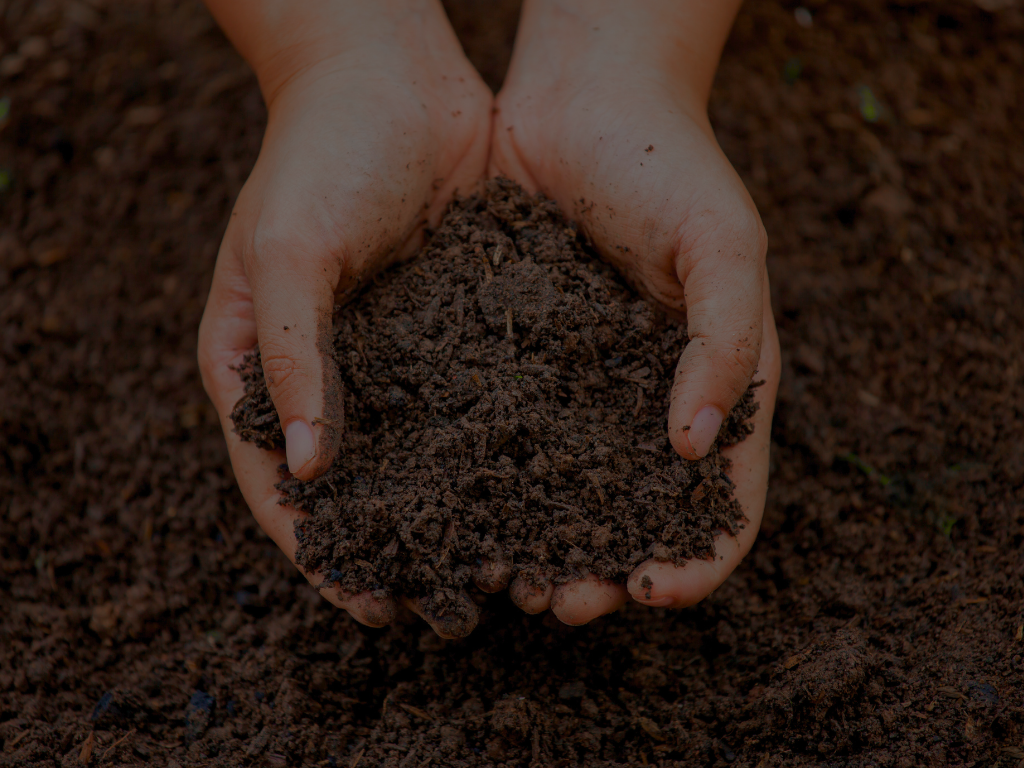
Repot your Pilea annually to refresh nutrients and maintain healthy growth. Use well-draining potting medium to prevent root rot in our humid climate. Excellent options include:
- Serbajadi Organic Peat Moss – Provides excellent moisture retention while maintaining aeration
- Serbajadi Multi-Purpose Compost – Nutrient-rich blend perfect for foliage plants
The best time to repot is during the growing season (March-September). Choose a pot only 2-3cm larger than the current one, as Pilea prefers slightly snug conditions.
Fertilizing Schedule
Feed your Pilea every 2-4 weeks during active growth periods to maintain vibrant foliage. Use a balanced liquid fertilizer like Serbajadi Plant Food Foliar Growing Supreme 26 Liquid Fertiliser (500ml), which provides essential nutrients for healthy leaf development.
During slower growth periods or monsoon season, reduce fertilizing to once monthly. Always apply fertilizer to moist soil to prevent root burn.
Common Pilea Problems and Solutions
Wilted, Discoloured Leaves with Stem Rot
Cause: Overwatering – the most common issue in Malaysia’s humid climate
Solution: Allow soil to dry out significantly. Remove affected stems. Improve drainage and reduce watering frequency. Consider repotting in fresh, well-draining medium.
Excessive Leaf Drop
Cause: Poor drainage or waterlogged soil
Solution: Check that drainage holes aren’t blocked. Repot using proper potting mix with good drainage properties. Adjust watering schedule.
Discoloured Leaves with Brown Tips and Edges
Cause: Insufficient light
Solution: Relocate to a brighter position with indirect light. Gradually acclimate the plant to avoid shock.
Leggy, Sparse Growth
Cause: Low light conditions
Solution: Move to brighter location. Prune leggy stems to encourage bushier growth.
Pest Management for Pilea
Mealybugs
These white, cottony pests cluster in leaf axils and on stems. Treatment: Wipe off with a cotton bud dipped in rubbing alcohol, then spray with Serbajadi Neem Spray Extra Strength for thorough control.
Spider Mites
Tiny pests that create fine webbing on leaves, causing stippling and yellowing. They thrive on water-stressed plants. Prevention: Maintain consistent watering schedule and adequate humidity. Treatment: Wipe leaves with damp cloth and spray with Serbajadi Neem Spray Extra Strength. Repeat treatment weekly until eliminated.
Propagating Pilea Plants
Pilea propagates easily, making it simple to expand your collection or share with friends:
Stem Cutting Method
- Cut 5-8cm stems just below a leaf node using clean, sharp scissors
- Remove lower leaves, keeping 2-3 leaves at the top
- Place in water or insert directly into moist potting mix
- Keep in bright, indirect light
- Roots develop within 2-3 weeks in Malaysia’s warm climate
- Transplant water-rooted cuttings once roots reach 2-3cm long
Plantlet Division
Many Pilea varieties produce “pups” or plantlets at the base. Once these develop 3-4 leaves and their own root system, gently separate them from the mother plant and pot individually.
Frequently Asked Questions About Pilea Care
Are Pilea plants safe for pets?
No, Pilea plants are mildly toxic to cats and dogs. They contain saponins which can cause gastrointestinal upset if ingested. Keep Pilea plants out of reach of pets or choose pet-safe alternatives like Haworthia or Echeveria.
How often should I water Pilea in Malaysia’s climate?
In Malaysia’s humid tropical climate, water your Pilea every 4-7 days, allowing the top 2-3cm of soil to dry between waterings. During monsoon season with higher humidity, reduce watering frequency to prevent root rot. Always check soil moisture before watering.
Why are my Pilea leaves turning yellow?
Yellow leaves on Pilea typically indicate overwatering, especially in Malaysia’s humid climate. Ensure proper drainage, allow soil to dry slightly between waterings, and check that your pot has adequate drainage holes. Yellow leaves can also signal nutrient deficiency if the plant hasn’t been fertilized regularly.
Can Pilea grow in low light conditions?
While Pilea can tolerate lower light, they thrive best in bright, indirect light. In low light, growth slows and leaves may lose their vibrant coloration. For Malaysian homes, place near windows with filtered light or in well-lit rooms away from direct afternoon sun.
How do I propagate Pilea plants?
Pilea propagates easily through stem cuttings or by separating plantlets (pups) that grow from the base. Cut 5-8cm stems below a node, remove lower leaves, and place in water or moist soil. In Malaysia’s warm climate, roots typically develop within 2-3 weeks. Plantlets can be separated and potted once they develop their own root systems.
Conclusion
Pilea plants make excellent additions to Malaysian homes, offering attractive foliage and relatively easy care requirements. By understanding their needs for bright indirect light, proper watering in our humid climate, and regular feeding, you’ll enjoy healthy, vibrant plants year-round. Remember to keep them away from pets, monitor for common pests, and don’t hesitate to propagate these generous plants to share with fellow gardening enthusiasts.
For all your Pilea care needs, from quality potting mixes to organic pest control solutions, visit Serbajadi’s online shop for products specifically formulated for Malaysia’s tropical climate.