How to Grow Peperomia in Malaysia: Complete Care Guide
Peperomia plants are among the most rewarding houseplants for Malaysian homes, offering compact growth, stunning foliage varieties, and incredibly low-maintenance care. These charming plants thrive in our tropical climate (24-32°C with 80%+ humidity) and are perfect for beginners, apartment dwellers, and anyone with limited space. Best of all, they’re completely safe for pets!
With over 1,000 species ranging from trailing vines to upright bushes, there’s a Peperomia variety to suit every indoor garden style. Let’s explore how to keep these delightful plants thriving in Malaysia’s unique growing conditions.
Understanding Your Peperomia Plant
Classification: Foliage houseplant (Piperaceae family)
Growth Habit: Climbers & trailers, bushy, or upright (depending on variety)
Characteristics: Slow-growing, compact, ideal for limited spaces
Pet Safety: Yes – non-toxic to cats, dogs, and other pets
Special Feature: Semi-succulent leaves store water, making them forgiving of occasional missed waterings
Popular Peperomia Varieties for Malaysian Homes
Trailing & Climbing Varieties
Perfect for hanging baskets or cascading from shelves:
- Peperomia glabella (Wax Privet) – Glossy green leaves on trailing stems
- Peperomia prostrata (String of Turtles) – Tiny turtle-shell patterned leaves
- Peperomia rotundifolia (Trailing Jade) – Round, button-like leaves
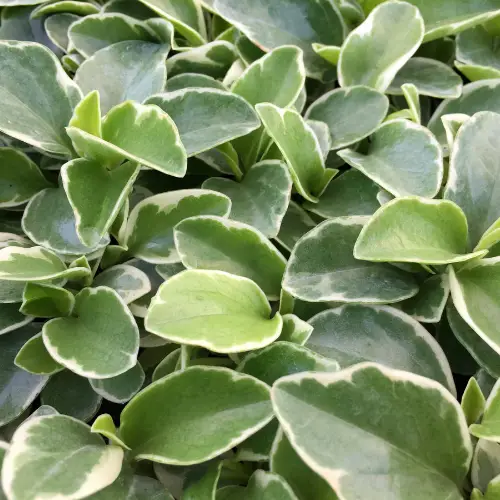
- Peperomia scandens variegata (Cupid Peperomia) – Heart-shaped variegated foliage
Bushy Varieties
Compact plants ideal for desks and tabletops:
- Peperomia argyreia (Watermelon Peperomia) – Striking silver and green striped leaves
- Peperomia caperata – Deeply textured, heart-shaped leaves
- Peperomia caperata variegata – Variegated version with cream edges
- Peperomia fraseri – Fragrant white flower spikes
- Peperomia hederaefolia (Ivy Peperomia) – Silver-veined, ivy-like leaves
- Peperomia orba ‘Astrid’ – Rounded leaves with red undersides
Upright Varieties
Taller plants that add vertical interest:
- Peperomia clusiifolia (Baby Rubber Plant) – Thick, glossy leaves with red edges
- Peperomia magnoliaefolia variegata (Desert Privet) – Cream and green variegation
- Peperomia obtusifolia – Classic thick, rounded leaves
- Peperomia pereskiaefolia – Upright stems with clustered leaves
- Peperomia verticillata (Whorled Peperomia) – Leaves arranged in whorls around stems
Essential Peperomia Care for Malaysia’s Climate
Light Requirements
Peperomias prefer bright, indirect light but tolerate lower light conditions. In Malaysia’s intense tropical sun:
- Position near east-facing windows for gentle morning light
- Use sheer curtains to filter harsh afternoon rays (especially west and south-facing windows)
- Avoid direct sunlight, which can scorch and fade the leaves
- Variegated varieties need slightly brighter light to maintain their patterns
- They’ll survive in shadier spots but grow more slowly
Watering Guidelines
Critical for Malaysian growers: Peperomias are semi-succulent and store water in their thick leaves. They prefer to dry out slightly between waterings.
Watering schedule for Malaysia’s climate:
- Water every 7-10 days during typical weather
- Allow the top 2-3cm of soil to dry before watering again
- Reduce watering during monsoon season when humidity exceeds 85%
- Water less frequently for succulent-leaved varieties (P. obtusifolia, P. clusiifolia)
- Use room-temperature water to avoid shocking the roots
- Always check soil moisture with your finger before watering
Warning: Overwatering is the #1 killer of Peperomias in Malaysia’s humid climate. When in doubt, wait another day!
Temperature & Humidity
Peperomias are perfectly suited to Malaysia’s conditions:
- Ideal temperature: 18-27°C (thrives in typical Malaysian indoor temps of 24-28°C)
- Humidity: 40-60% is ideal, but they adapt well to Malaysia’s 70-90% humidity
- Keep away from air-conditioning vents that create sudden temperature drops
- Avoid placing near windows during afternoon heat (can exceed 35°C)
Soil & Potting Mix
Well-draining soil is essential to prevent root rot in our humid climate:
- Use Serbajadi Multi-Purpose Compost as a base
- Mix in Perlite (30% ratio) for improved drainage and aeration
- Alternative: Add Coco Peat for moisture retention with good drainage
- Ensure pots have drainage holes – this is non-negotiable!
Fertilizing
Peperomias are light feeders and don’t require heavy fertilization:
- Feed monthly during active growth with Growth Master FS35 Spray
- Dilute liquid fertilizer to half-strength to avoid root burn
- Reduce feeding during monsoon season when growth naturally slows
- Skip fertilizing for 4-6 weeks after repotting
Repotting
Peperomias are slow growers and rarely need repotting:
- Repot only when roots emerge from drainage holes (typically every 2-3 years)
- Choose a pot only 2-3cm larger than the current one
- Best time: Early morning during dry weather to minimize stress
- Use fresh Serbajadi Multi-Purpose Compost mixed with perlite
- Water sparingly for the first 2 weeks after repotting
Troubleshooting Common Peperomia Problems
Leaf Issues
Brown tips and edges:
- Cause: Sudden temperature drop (common near air-conditioning)
- Solution: Move plant away from cold drafts; maintain consistent temperature
Yellow, wilted leaves:
- Cause: Overwatering and poor drainage
- Solution: Allow soil to dry out completely; check for root rot; repot if necessary in fresh, well-draining soil
Sudden leaf drop:
- Cause (succulent varieties): Soil left dry for too long
- Cause (all varieties): Temperature too low (below 15°C)
- Solution: Adjust watering schedule; move to warmer location
Corky swellings under leaves:
- Cause: Edema from overwatering in high humidity
- Solution: Reduce watering frequency; improve air circulation; ensure proper drainage
Discolored or rotting stems:
- Cause: Stem rot from excessive moisture
- Solution: Cut away affected areas with sterilized scissors; reduce watering; improve drainage; treat with Soil Detox if fungal infection is present
Pest Management
Mealybugs (white, cottony insects):
- Wipe off with a damp cloth or cotton bud dipped in rubbing alcohol
- Spray entire plant with Serbajadi Natural Neem Spray
- Repeat treatment every 7 days for 3 weeks
- Isolate infected plants to prevent spread
Aphids (small green or black insects):
- Spray plant with high-pressure water to dislodge pests
- Follow up with Serbajadi Natural Neem Spray
- Check undersides of leaves where aphids hide
- Repeat weekly until infestation clears
Prevention tips for Malaysia’s climate:
- Inspect new plants before bringing them near your collection
- Maintain good air circulation to discourage pests
- Avoid overwatering, which weakens plants and attracts pests
- Wipe leaves monthly to remove dust and spot early infestations
Propagating Peperomia
Peperomias are easy to propagate, making them perfect for sharing with friends:
Stem Cutting Method
- Cut a healthy stem with 2-3 leaves using clean scissors
- Remove the bottom leaf
- Optional: Dip cut end in Rooting Powder to speed root development
- Place in water or directly into moist potting mix
- Keep in bright, indirect light
- Roots develop in 3-4 weeks
Leaf Cutting Method
- Cut a healthy leaf with 2-3cm of stem attached
- Insert stem into moist Serbajadi Multi-Purpose Compost
- Cover with a clear plastic bag to maintain humidity
- New plantlets emerge from the base in 4-8 weeks
Best time to propagate in Malaysia: During drier months (March-April, June-August) when humidity is slightly lower and root rot risk is reduced.
Why Peperomia is Perfect for Malaysian Homes
- Pet-friendly: Completely non-toxic to cats, dogs, and other pets
- Compact size: Perfect for HDB flats, condos, and small spaces
- Low maintenance: Forgiving of occasional neglect
- Air-purifying: Helps filter indoor air pollutants
- Humidity-loving: Thrives in Malaysia’s naturally humid climate
- Variety: Hundreds of species with different colors, textures, and growth habits
- Beginner-friendly: Ideal first houseplant for new gardeners
Frequently Asked Questions
Are Peperomia plants safe for pets?
Yes! Peperomia plants are non-toxic and completely safe for cats, dogs, and other household pets. This makes them an excellent choice for Malaysian pet owners looking for worry-free indoor plants.
How often should I water Peperomia in Malaysia’s climate?
In Malaysia’s humid tropical climate (80%+ humidity), water your Peperomia every 7-10 days. Always allow the top 2-3cm of soil to dry between waterings. During monsoon season, reduce watering frequency as humidity levels increase. Peperomias are semi-succulent and prefer slightly dry conditions over constantly moist soil.
Why are my Peperomia leaves turning yellow?
Yellow leaves on Peperomia typically indicate overwatering, which is common in Malaysia’s humid climate. Check if the soil is waterlogged and ensure your pot has proper drainage holes. Allow the soil to dry out between waterings and consider repotting in fresh, well-draining Serbajadi Multi-Purpose Compost if root rot has developed.
What’s the best location for Peperomia indoors in Malaysia?
Place Peperomia in bright, indirect light away from direct sunlight. East-facing windows work well, or use sheer curtains to filter Malaysia’s intense tropical sun. Avoid south and west-facing windows where afternoon heat (often exceeding 32°C) can scorch the leaves. Peperomias tolerate lower light but grow more slowly.
How do I treat pests on my Peperomia plant?
For mealybugs, wipe them off with a damp cloth or cotton bud, then spray the plant with Serbajadi Natural Neem Spray. For aphids, spray the plant with high-pressure water first to dislodge them, then follow up with neem spray treatment. Repeat applications every 7 days until pests are eliminated. Always treat pests promptly as Malaysia’s warm, humid conditions can accelerate infestations.
Start Your Peperomia Collection Today
Peperomia plants offer endless variety, easy care, and pet-safe peace of mind – making them ideal houseplants for Malaysian homes. Whether you’re a complete beginner or an experienced plant parent, these charming plants will reward you with beautiful foliage and minimal fuss.
Ready to start growing? Explore our complete range of potting mixes, fertilizers, and organic pest control solutions specially formulated for Malaysia’s tropical climate at Serbajadi.