Pellionia Care Guide: Growing Watermelon Vine in Malaysia
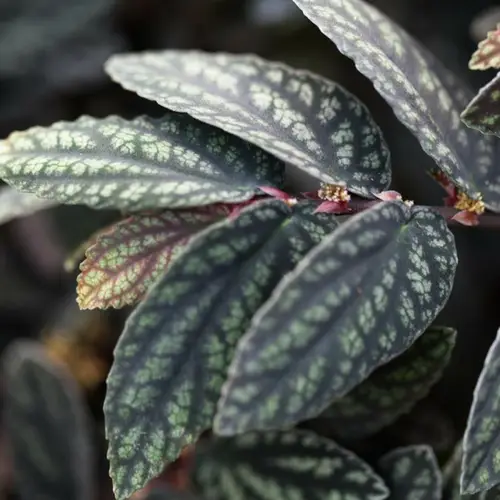
Pellionia, commonly known as watermelon vine, is a stunning trailing foliage plant that thrives in Malaysia’s tropical climate. With its beautifully patterned leaves and cascading growth habit, this pet-safe houseplant is perfect for hanging baskets, terrariums, and as a ground cover in shaded gardens. Malaysian gardeners appreciate Pellionia for its adaptability to our humid conditions (24-32°C) and its low-maintenance nature.
About Pellionia
Classification: Foliage houseplant
Plant Group: Climbers & trailing plants
Special Features: Ideal for terrariums and bottle gardens
Pet Safety: Yes, safe for cats and dogs
Popular Pellionia Varieties
- Pellionia daveauana (Watermelon Pellionia): Features striking silver and green variegated leaves with purple undersides, resembling watermelon rind patterns
- Pellionia pulchra (Satin Pellionia): Displays velvety, dark green leaves with lighter veining and a satin-like sheen
Pellionia Care Requirements for Malaysian Climate
Temperature
Pellionia thrives in average warmth, making it perfectly suited to Malaysia’s consistent tropical temperatures of 24-32°C. Avoid placing near air-conditioning vents where cold drafts can stress the plant.
Light Requirements
Provide semi-shade or bright indirect light. In Malaysian homes, east-facing windows or shaded balconies work excellently. Direct afternoon sun will scorch the delicate, patterned leaves. If growing indoors, position 1-2 meters from a bright window.
Watering
Keep the planting medium consistently moist but never waterlogged. During Malaysia’s hot, humid months, check soil moisture every 2-3 days. Water when the top inch feels slightly dry. During monsoon season, reduce watering frequency as humidity naturally increases moisture retention.
Potting Medium
Use a well-draining, moisture-retentive mix. We recommend:
- Serbajadi Organic Peat Moss for excellent moisture retention and aeration
- Serbajadi Multi-Purpose Compost for nutrient-rich, well-balanced growing medium
Repotting
Repot every 2 years in spring to refresh the growing medium and provide fresh nutrients. Choose a pot only slightly larger than the current one, as Pellionia prefers being slightly root-bound.
Fertilizing
Feed your Pellionia every 4-6 weeks during the growing season with Serbajadi Plant Food Organic Plus 23 Growing Fertilisers. This balanced organic fertilizer promotes healthy foliage growth and vibrant leaf patterns. Reduce feeding during the monsoon season when growth naturally slows.
Common Pellionia Problems & Solutions
Black or Brown, Badly Withered Leaves
Cause: Either too much direct sunlight or insufficient humidity
Solution: Move the plant to a shadier location away from direct sun. Increase humidity by misting leaves daily or placing the pot on a pebble tray filled with water. Malaysian homes typically have good humidity, but air-conditioned rooms may need extra moisture.
Grey Mould on Leaves
Cause: Overly damp conditions with poor air circulation
Solution: Reduce watering frequency and ensure the pot has adequate drainage holes. Improve air circulation around the plant. Remove affected leaves and avoid misting in the evening when moisture doesn’t evaporate quickly.
Leggy, Sparse Growth
Cause: Insufficient light
Solution: Move to a brighter location with indirect light. Pinch back leggy stems to encourage bushier growth.
Pest Management
Aphids
These small, soft-bodied insects cluster on new growth and leaf undersides, sucking plant sap.
Treatment:
- Spray the plant with high-pressure water to dislodge aphids
- Follow up with Extra Strength Neem Spray for severe infestations
- For lighter infestations, use Natural Neem Spray
- Repeat treatment every 7 days until aphids are eliminated
Growing Pellionia in Terrariums
Pellionia’s compact, trailing habit and love for high humidity make it an exceptional terrarium plant. In closed terrariums, it thrives with minimal maintenance, creating beautiful cascading displays. Pair with other humidity-loving plants and ensure the terrarium has adequate drainage to prevent waterlogging.
Propagation Tips
Pellionia propagates easily from stem cuttings:
- Take 8-10cm cuttings with at least 2-3 leaf nodes
- Remove lower leaves
- Place in water or directly into moist potting mix
- Keep in warm, humid conditions (perfect for Malaysian climate)
- Roots develop within 2-3 weeks
Frequently Asked Questions
Is Pellionia safe for cats and dogs?
Yes, Pellionia is considered pet-safe and non-toxic to cats and dogs, making it an excellent choice for Malaysian households with pets.
Why are my Pellionia leaves turning brown?
Brown or black withered leaves on Pellionia typically indicate either too much direct sunlight or insufficient humidity. Move the plant to a shadier location and increase humidity by misting or using a humidity tray.
How often should I water Pellionia in Malaysia?
In Malaysia’s tropical climate, water your Pellionia when the top inch of soil feels slightly dry, typically every 2-3 days. Keep the soil consistently moist but never waterlogged to prevent root rot.
What’s the best potting mix for Pellionia?
Use a well-draining, moisture-retentive mix such as Serbajadi Organic Peat Moss or Serbajadi Multi-Purpose Compost. These provide excellent drainage while maintaining the consistent moisture Pellionia needs.
Can Pellionia grow in terrariums?
Yes, Pellionia is an excellent terrarium plant. Its trailing habit, compact growth, and love for high humidity make it perfect for closed terrariums and bottle gardens in Malaysian homes.
How do I make my Pellionia bushier?
Regularly pinch back the growing tips to encourage branching and bushier growth. This also prevents the plant from becoming too leggy and maintains its attractive, compact form.
Conclusion
Pellionia is a rewarding, low-maintenance trailing plant that thrives in Malaysia’s tropical climate. With its stunning foliage patterns, pet-safe nature, and adaptability to various growing conditions—from hanging baskets to terrariums—it’s an excellent addition to any Malaysian home garden. Follow these care guidelines, and your watermelon vine will reward you with lush, cascading growth year-round.