10 Ways to Maximize Fertilizer Efficiency in Malaysian Gardens
Fertilizer use efficiency (FUE) measures how effectively your plants absorb and utilize the nutrients you provide. In Malaysia’s tropical climate with temperatures ranging from 24-32°C, high humidity, and intense monsoon rains, maximizing fertilizer efficiency is crucial for healthy plant growth while minimizing waste and environmental impact.
Improving FUE means getting more value from every ringgit spent on fertilizers, achieving better plant growth, and reducing nutrient runoff that can harm our environment. Whether you’re growing vegetables in your kitchen garden, nurturing ornamental plants, or maintaining fruit trees, these 10 practical tips will help you make the most of your fertilizer applications.
1. Apply Fertilizer at the Right Time
Timing is everything when it comes to fertilizer efficiency in Malaysia’s tropical climate. The intense midday heat (often exceeding 32°C) can cause rapid evaporation and nutrient loss before plants can absorb them.
Best practices for Malaysian gardens:
- Apply fertilizers during cooler morning hours (before 10 AM) or late afternoon when temperatures drop
- Avoid fertilizing just before heavy monsoon rains, which wash nutrients away before plants can use them
- Time applications to match your plant’s active growth periods – most tropical plants grow vigorously during the warmer, wetter months
- For flowering plants, apply Flowering Inducer 47 4-6 weeks before the desired blooming period
2. Choose the Right Type of Fertilizer
Not all fertilizers work equally well for every plant or situation. Selecting the appropriate fertilizer type dramatically improves efficiency.
Match fertilizers to your plants:
- For orchids: Use specialized formulas like Orchid Flower Booster or Orchid Growth Booster designed for epiphytic plants
- For vegetables: Organic Vegetable Fertiliser provides safe nutrition for edibles (remember the 7-day harvest interval)
- For fruit trees: Fruit Tree Flowering Inducer 50 and Fruit Tree Fruiting Inducer 38 target specific growth stages
- For general growth: Growing Inducer 45 provides balanced nutrition for most plants
Plant-specific fertilizers contain nutrient ratios optimized for particular plant types, ensuring better uptake and less waste.
3. Apply Fertilizer at the Correct Rate
More fertilizer doesn’t mean better results. Over-fertilizing wastes money, can burn plant roots, and contributes to environmental pollution through nutrient runoff.
Guidelines for proper application rates:
- Always follow package instructions as a starting point
- Adjust based on plant size, age, and growth stage – young plants need less than mature specimens
- In Malaysia’s high-rainfall climate, nutrients leach faster, but resist the urge to over-compensate
- Watch for signs of over-fertilization: leaf tip burn, excessive foliage with few flowers, or white salt crusts on soil
- When in doubt, start with half the recommended rate and increase if needed
4. Incorporate Fertilizer into the Soil
Surface application of granular fertilizers reduces efficiency, especially during Malaysia’s frequent rain showers. Incorporating fertilizer into the soil improves nutrient retention and availability.
How to incorporate effectively:
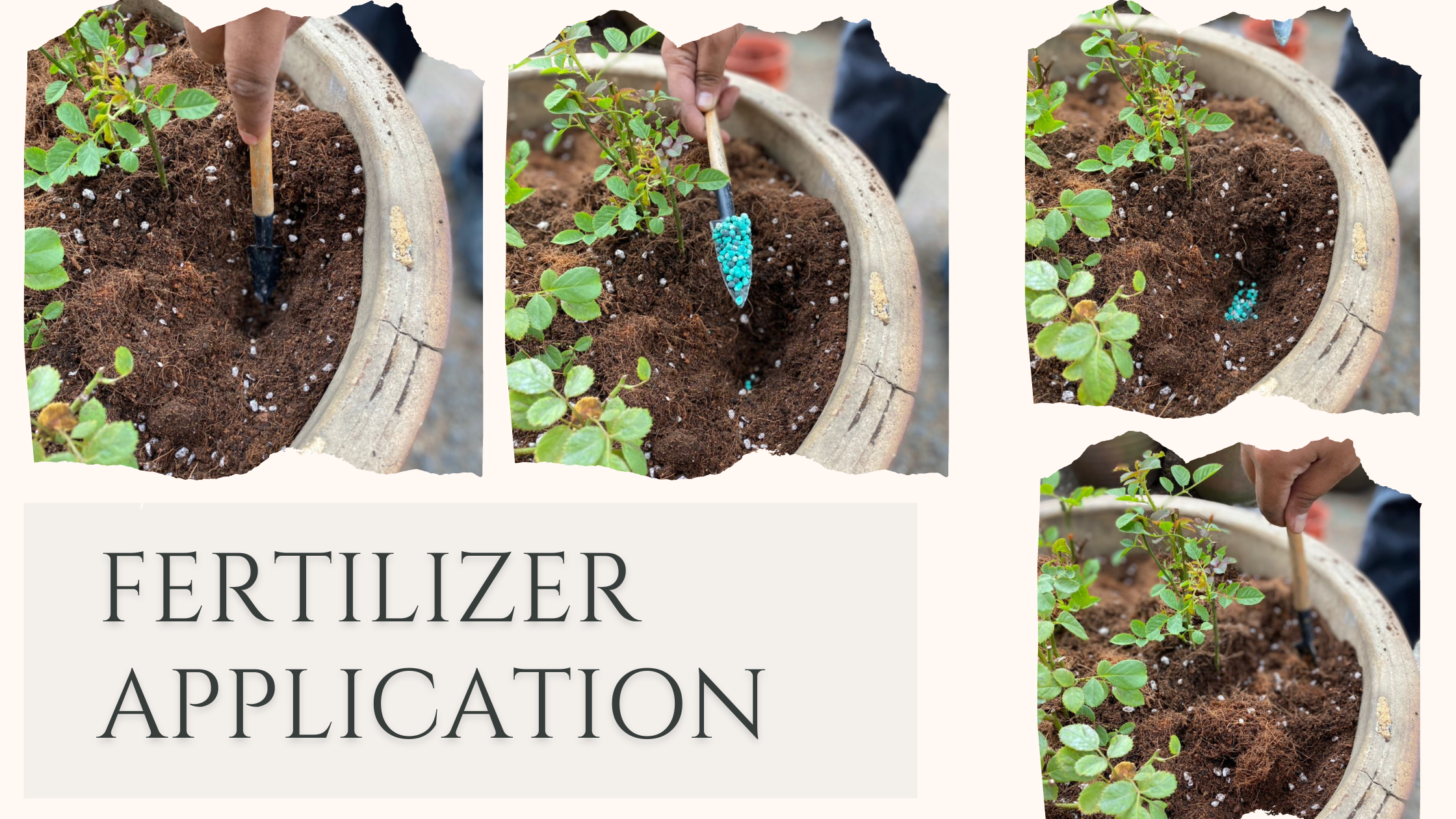
- Mix granular fertilizers into the top 5-10cm of soil using a hand trowel or cultivator
- For potted plants, gently work fertilizer into the soil surface without damaging roots
- Create a shallow ring around trees and shrubs, incorporate fertilizer, then cover with soil
- Water thoroughly after incorporation to activate the fertilizer and move nutrients into the root zone
This technique keeps nutrients where roots can access them and reduces losses from surface runoff.
5. Use Mulch to Protect Fertilizer
Mulching is especially valuable in tropical Malaysia, where intense sun and heavy rains can quickly deplete soil nutrients.
Benefits of mulching for fertilizer efficiency:
- Reduces nutrient leaching during monsoon downpours
- Prevents fertilizer from washing away in surface runoff
- Moderates soil temperature, keeping nutrients stable in the root zone
- Reduces evaporation, keeping fertilizers dissolved and available to plants
- Organic mulches like Multi-Purpose Compost gradually break down, adding extra nutrients
Apply a 5-8cm layer of mulch around plants, keeping it a few centimeters away from stems to prevent rot.
6. Water Properly for Optimal Nutrient Uptake
Water is the vehicle that carries nutrients to plant roots. Both over-watering and under-watering reduce fertilizer efficiency.
Watering best practices:
- Water deeply but less frequently to encourage deep root growth
- In Malaysia’s humid climate, check soil moisture before watering – many plants need less water than you think
- Avoid watering during heavy rain periods when nutrients are already at risk of leaching
- Use drip irrigation or soaker hoses to deliver water directly to the root zone
- For water retention in sandy soils, incorporate Coco Peat or use Water Saver crystals
7. Manage Weeds to Reduce Competition
Weeds are aggressive competitors that steal fertilizer meant for your desired plants. In Malaysia’s warm, wet climate, weeds can grow rapidly and consume significant nutrients.
Effective weed management:
- Remove weeds regularly, especially before fertilizing
- Use mulch to suppress weed germination
- For persistent weed problems, consider Natural Weed & Grass Killer in non-edible areas
- Hand-pull weeds when soil is moist for easier removal with roots intact
- Create physical barriers with landscape fabric in ornamental beds
Reducing weed competition ensures your fertilizer investment benefits your plants, not unwanted invaders.
8. Practice Crop Rotation in Vegetable Gardens
Crop rotation improves fertilizer efficiency by preventing nutrient depletion and breaking pest cycles that can stress plants and reduce nutrient uptake.
Rotation strategies for Malaysian kitchen gardens:
- Rotate heavy feeders (tomatoes, eggplant, chili) with light feeders (herbs, leafy greens)
- Follow nitrogen-hungry crops with legumes that fix nitrogen naturally
- Change plant families between seasons to disrupt pest and disease cycles
- Keep a simple garden journal to track what was planted where
- Use Organic Vegetable Fertiliser to maintain soil fertility between rotations
9. Incorporate Cover Crops and Green Manure
Cover crops improve soil structure and fertility, making subsequent fertilizer applications more efficient.
Benefits for tropical gardens:
- Prevent erosion during heavy monsoon rains, keeping topsoil and nutrients in place
- Add organic matter when tilled under, improving soil’s nutrient-holding capacity
- Leguminous cover crops (like beans) fix atmospheric nitrogen, reducing fertilizer needs
- Improve soil structure, allowing better root penetration and nutrient access
- Supplement with Vermicompost for additional organic matter and beneficial microbes
10. Use Controlled-Release Fertilizers During Monsoon Season
Malaysia’s monsoon seasons bring intense rainfall that can wash away conventional fertilizers within hours. Controlled-release fertilizers are game-changers for tropical gardening.
Why controlled-release works in Malaysia:
- Nutrients are released gradually over weeks or months, matching plant uptake rates
- Coated granules resist washout during heavy rains
- Reduces fertilizing frequency – apply once and forget for months
- Minimizes nutrient loss to the environment
- Try Controlled Release Fertiliser for consistent nutrition despite unpredictable weather
For immediate needs during dry spells, supplement with fast-acting liquid fertilizers like Growth Master FS35 Spray.
Additional Tips for Malaysian Gardeners
Improve soil health for better efficiency: Healthy soil with good structure and active microbial life uses fertilizer more efficiently. Regularly add organic matter like Multi-Purpose Compost or Vermicompost to build soil fertility.
Test your soil pH: Nutrient availability depends heavily on soil pH. Most nutrients are best absorbed at pH 6.0-7.0. If your soil is too acidic (common in tropical regions), apply Garden Lime to adjust pH and improve fertilizer efficiency.
Consider foliar feeding: During periods of rapid growth or stress, foliar sprays deliver nutrients directly through leaves, bypassing soil issues. Use products like Foliar Flowering Inducer 67 for quick results.
Frequently Asked Questions
What is fertilizer use efficiency (FUE)?
Fertilizer use efficiency (FUE) measures how effectively plants absorb and utilize the nutrients from applied fertilizers. Higher FUE means your plants get more nutrition from less fertilizer, saving you money while reducing environmental impact from nutrient runoff.
When is the best time to fertilize plants in Malaysia’s tropical climate?
In Malaysia’s hot, humid climate (24-32°C), fertilize during cooler morning hours before 10 AM or in late afternoon. Avoid fertilizing just before heavy monsoon rains, as nutrients will wash away. During the rainy season, use controlled-release fertilizers to prevent nutrient loss.
Should I use organic or synthetic fertilizers for better efficiency?
Both can be efficient when used correctly. Organic fertilizers like Serbajadi Organic Vegetable Fertiliser improve soil health long-term and are ideal for edibles (observe the 7-day harvest interval). Synthetic fertilizers provide faster nutrient delivery for quick results. For best efficiency, combine both: use organic matter to improve soil structure and synthetic fertilizers for targeted nutrition.
How can I prevent fertilizer washout during monsoon season?
Use controlled-release or slow-release fertilizers that release nutrients gradually over time. Incorporate fertilizers into the soil rather than surface application, add mulch to reduce runoff, and improve soil structure with compost or vermicompost to help retain nutrients during heavy rains.
How often should I fertilize my garden in tropical Malaysia?
Frequency depends on fertilizer type and plant needs. Fast-growing vegetables may need feeding every 2-3 weeks with liquid fertilizers. Ornamental plants typically need monthly applications. Slow-release fertilizers can last 3-6 months. In Malaysia’s high-rainfall climate, nutrients leach faster, so monitor plants for deficiency signs like yellowing leaves (indicating need for Growing Inducer 45) or poor flowering (try Flowering Inducer 47).
Conclusion
Improving fertilizer use efficiency in your Malaysian garden isn’t just about saving money – it’s about working smarter with our tropical climate’s unique challenges. By timing applications correctly, choosing appropriate fertilizers, managing water wisely, and protecting nutrients from monsoon washout, you’ll achieve healthier plants with less environmental impact.
Start implementing these 10 tips today, and you’ll notice the difference in your garden’s vigor and productivity. Remember, the goal isn’t to use more fertilizer, but to use it more effectively. Your plants – and your wallet – will thank you.
Important Safety Reminder: For all edible crops, always observe a strict 7-day withholding period between fertilizer application and harvest. Wash all produce thoroughly before consumption. Store all fertilizers out of reach of children and pets.