Bromeliad Care Guide Malaysia: Growing Tips for Tropics
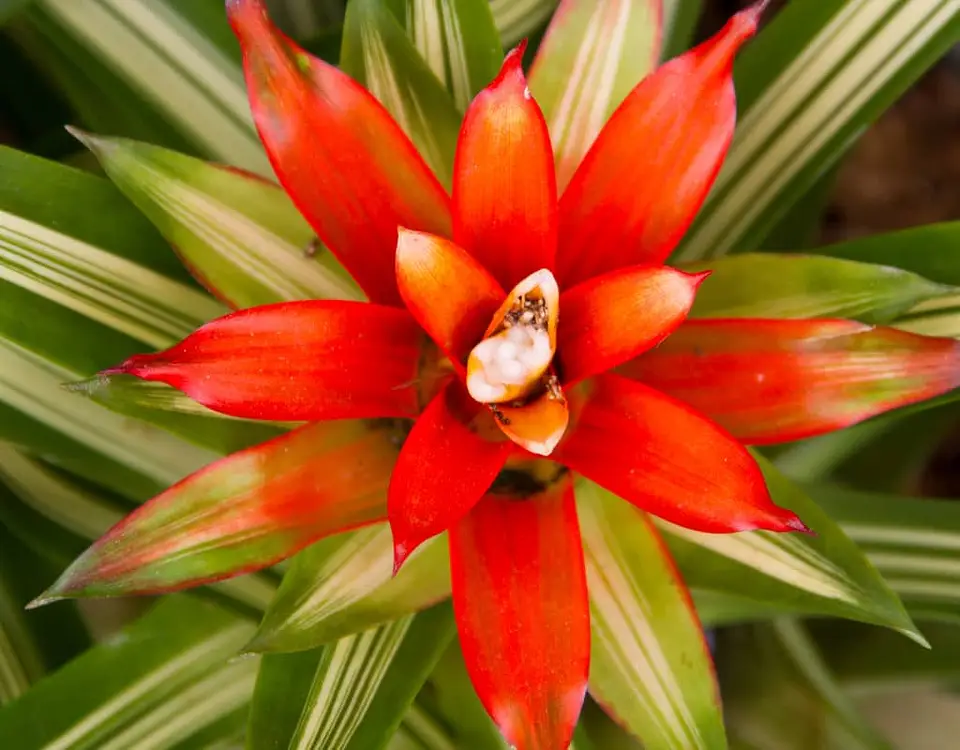
Bromeliads are stunning tropical plants known for their vibrant, colorful foliage and unique rosette growth patterns. With over 75 genera and approximately 3,590 known species, this diverse plant family offers endless variety for Malaysian gardeners. Interestingly, bromeliads belong to the same family as pineapples (Bromeliaceae), which explains their similar spiky leaf structure!
These exotic beauties are perfectly suited to Malaysia’s tropical climate (24-32°C with high humidity), making them ideal for both indoor and outdoor gardens. While bromeliads may seem exotic and challenging to grow, they’re actually quite resilient once you understand their unique care requirements. This comprehensive guide will help you successfully grow thriving bromeliads in Malaysian conditions.
Understanding Bromeliad Growth Habits
Most ornamental bromeliads are epiphytes – plants that naturally grow on tree branches and trunks in tropical forests. Unlike parasites, epiphytes don’t harm their host trees. Instead, they anchor themselves to bark and absorb moisture and nutrients from rain, air humidity, and organic debris that collects around their roots.
This epiphytic nature means bromeliads have evolved shallow root systems primarily used for anchoring rather than nutrient absorption. Understanding this growth habit is crucial for proper bromeliad care, especially regarding watering and potting requirements.
1. Watering Bromeliads in Malaysia’s Climate
Proper watering is the most critical aspect of bromeliad care. In Malaysia’s humid environment, getting the watering balance right prevents both dehydration and the more common problem of root rot.
The Central Cup Method
Most bromeliads form a natural water-holding “cup” or “tank” at their center where leaves overlap. This is how they collect water in nature. To water using this method:
- Fill the central cup with clean water
- Flush and refill the cup every 3-4 days to prevent stagnant water
- This prevents mosquito breeding – a crucial consideration in Malaysia
- Use rainwater or filtered water when possible, as bromeliads are sensitive to chlorine and minerals
Watering the Potting Medium
While the central cup is important, the potting medium also needs occasional watering:
- Water the medium lightly only when it’s completely dry
- In Malaysia’s humid climate, this typically means watering 1-2 times per week
- During monsoon season, reduce watering frequency as humidity levels rise
- Always ensure excess water drains completely from the pot
- Never let bromeliads sit in water-filled saucers
Important: Overwatering the potting medium is the leading cause of bromeliad death. Their shallow roots rot quickly in waterlogged conditions, especially in Malaysia’s warm, humid climate where fungal and bacterial growth accelerates.
2. Choosing the Right Potting Medium
Bromeliads require extremely well-draining potting media that allows air circulation around the roots while providing minimal moisture retention.
Best Potting Mix Options
Coco Chips (Recommended): Coconut husk chips are ideal for bromeliads in Malaysia. They provide:
- Excellent drainage and aeration
- Natural pest resistance due to fibrous texture
- Sustainable and biodegradable material
- Easy availability and affordability
- Slow decomposition in tropical conditions
Custom Soil Mix: If using soil-based media, create a well-draining blend:
- 1 part Serbajadi Potting Soil
- 1 part Serbajadi Coco Peat
- 1 part Serbajadi Perlite for improved drainage
This combination provides adequate drainage while retaining just enough moisture for the shallow root system. The perlite is especially important in Malaysia’s heavy rainfall periods to prevent waterlogging.
Mounting Bromeliads
For a natural display that mimics their epiphytic nature, mount bromeliads on:
- Tree bark or driftwood
- Cork boards
- Tree fern plaques
Secure the plant with fishing line or plant ties, and mist regularly until roots establish. This method eliminates root rot concerns entirely and creates stunning vertical displays.
3. Fertilizing Bromeliads
Bromeliads have minimal nutritional requirements compared to most houseplants. In their natural habitat, they survive on nutrients from decomposing organic matter and rainfall. Over-fertilizing causes more problems than under-fertilizing.
Fertilizer Application Guidelines
For Foliage Growth: Use a balanced, diluted fertilizer during the growing season:
- Apply Serbajadi Growing Inducer 45 at quarter strength
- Fertilize once monthly during active growth periods
- Apply to both the potting medium and as a foliar spray on leaves
- Avoid getting concentrated fertilizer in the central cup
For Flowering: When your bromeliad begins developing a flower spike:
- Switch to a diluted flowering formula with higher phosphorus
- Apply Serbajadi Flowering Inducer 47 at quarter strength
- Continue monthly applications until flowering completes
Important Safety Note: Always observe a 7-day interval between fertilizer application and harvesting any edible plants nearby. Wash all produce thoroughly before consumption.
Organic Alternatives
For organic feeding, consider:
- Serbajadi Vermicompost tea (diluted 1:10 with water)
- Serbajadi Agromarine Kelp & Seaweed Fertiliser for root development and stress resistance
4. Light Requirements for Malaysian Bromeliads
In their natural rainforest habitat, bromeliads grow in the dappled shade of the forest canopy. Replicating these light conditions is essential for healthy growth in Malaysia’s intense tropical sun.
Ideal Light Conditions
Bright, Indirect Light: Bromeliads thrive in:
- Filtered sunlight under shade netting (50-70% shade cloth)
- Covered porches or verandas with bright ambient light
- Beneath tree canopies that provide dappled shade
- East-facing locations with gentle morning sun
- Bright indoor spaces near windows with sheer curtains
Avoiding Sun Damage
Direct afternoon sun in Malaysia (especially between 11 AM – 3 PM) will:
- Scorch and bleach colorful foliage
- Cause brown, crispy leaf tips and edges
- Stress the plant and inhibit flowering
- Potentially kill the plant in extreme cases
Signs of Too Much Light: Yellowing leaves, brown patches, faded colors, or leaves turning reddish
Signs of Too Little Light: Elongated growth, loss of variegation, dark green coloring, failure to bloom
5. Pest and Disease Management
While bromeliads are relatively pest-resistant, Malaysia’s warm, humid climate can encourage certain problems.
Common Bromeliad Pests
Scale Insects: Small, brown, shell-like insects that attach to leaves
- Remove manually with a soft brush or cotton swab dipped in rubbing alcohol
- Spray with Serbajadi GarNeem Spray for organic control
Mealybugs: White, cottony insects in leaf axils and the central cup
- Flush the central cup regularly to dislodge them
- Apply Serbajadi Natural Neem Spray
- Improve air circulation around plants
Snails and Slugs: Can damage leaves and hide in potting medium
- Check the potting medium regularly, especially after rain
- Remove manually or use organic slug control methods
- Elevate pots to reduce access
Disease Prevention
Root Rot: Caused by overwatering and poor drainage
- Use well-draining potting media
- Ensure pots have adequate drainage holes
- Never let plants sit in standing water
- If root rot occurs, repot in fresh, dry medium and reduce watering
Leaf Rot: Bacterial or fungal infection from stagnant water
- Flush the central cup every 3-4 days
- Provide good air circulation between plants
- Avoid overhead watering in the evening
- Space plants adequately (at least 15-20 cm apart)
- Remove affected leaves immediately to prevent spread
Mosquito Prevention: Standing water in the central cup can breed mosquitoes
- Flush and refill the cup every 3-4 days without fail
- Add a few drops of mosquito larvicide if needed
- Consider using the potting medium watering method exclusively during dengue season
Bromeliad Lifecycle and Propagation
Understanding the bromeliad lifecycle helps set realistic expectations for your plants.
Flowering and Pups
Bromeliads typically flower once in their lifetime, usually when the plant reaches maturity (2-3 years old). After flowering:
- The flower spike can last several weeks to months
- The mother plant slowly declines over 6-12 months
- Before dying, the plant produces “pups” (offsets) at its base
- These pups are clones of the parent plant
Propagating Pups
To propagate bromeliad pups:
- Wait until pups are at least 1/3 the size of the mother plant
- Carefully separate pups with a clean, sharp knife
- Ensure each pup has some roots attached
- Apply Serbajadi Rooting Powder to cut surfaces
- Pot in fresh, well-draining medium
- Keep in bright, indirect light and maintain humidity
- Water sparingly until new growth appears
Frequently Asked Questions
How often should I water bromeliads in Malaysia?
In Malaysia’s humid climate, water bromeliads 1-2 times per week. Keep the central cup filled with fresh water and flush it every 3-4 days to prevent mosquito breeding. Water the potting medium only when completely dry, as bromeliads are prone to root rot in waterlogged conditions.
What is the best potting mix for bromeliads?
The best potting mix for bromeliads is coco chips or a blend of potting soil mixed with perlite for excellent drainage. Bromeliads are epiphytes with shallow root systems that require airy, well-draining media. Avoid heavy soils that retain too much moisture in Malaysia’s high-humidity environment.
Can bromeliads grow in direct sunlight in Malaysia?
No, bromeliads should not be exposed to direct sunlight in Malaysia’s intense tropical climate. They thrive in bright, indirect light under shade netting (50-70% shade), porches, or tree canopies. Direct sun will scorch and burn the leaves, potentially killing the plant.
What fertilizer should I use for bromeliads?
Use a diluted liquid fertilizer at quarter strength applied monthly. For general growth, use a balanced fertilizer like Serbajadi Growing Inducer 45. When your bromeliad begins to bloom, switch to a flowering formula. Bromeliads have low nutrient needs, so avoid over-fertilizing which can damage the plant.
What are common bromeliad pests in Malaysia?
Common bromeliad pests in Malaysia include scale insects, mealybugs, and occasionally snails. These pests are attracted to the moist environment in the leaf axils and central cup. Prevent infestations by ensuring good air circulation, flushing the central cup regularly, and treating early with organic pest control solutions like Serbajadi GarNeem Spray.
Conclusion
Bromeliads are rewarding, low-maintenance plants that add vibrant color and exotic beauty to Malaysian homes and gardens. By understanding their epiphytic nature and providing proper care – well-draining media, appropriate watering, filtered light, and minimal fertilization – you’ll enjoy healthy, thriving bromeliads that may reward you with spectacular blooms.
Remember that bromeliads are perfectly adapted to Malaysia’s tropical climate. With these care guidelines, even beginners can successfully grow these stunning plants and propagate new generations from pups.
Looking for quality gardening products to care for your bromeliads? Visit Serbajadi Grow Joy Shop for potting media, fertilizers, and pest control solutions specifically formulated for Malaysia’s tropical climate.
For more expert gardening tips and product demonstrations, check out Serbajadi Grow Joy TV!