Reduce Plastic Waste in Your Garden: Sustainable Tips for Malaysian Gardeners
As Malaysian gardeners, we have a unique opportunity to make a positive environmental impact right in our own backyards. While Malaysia faces significant challenges with plastic waste management, our gardens can become models of sustainability. By making conscious choices about the products we use and how we manage garden waste, we can dramatically reduce plastic waste while growing healthier, more vibrant plants in our tropical climate.

Reducing plastic waste starts in your garden
Understanding Malaysia’s Plastic Challenge in Gardening
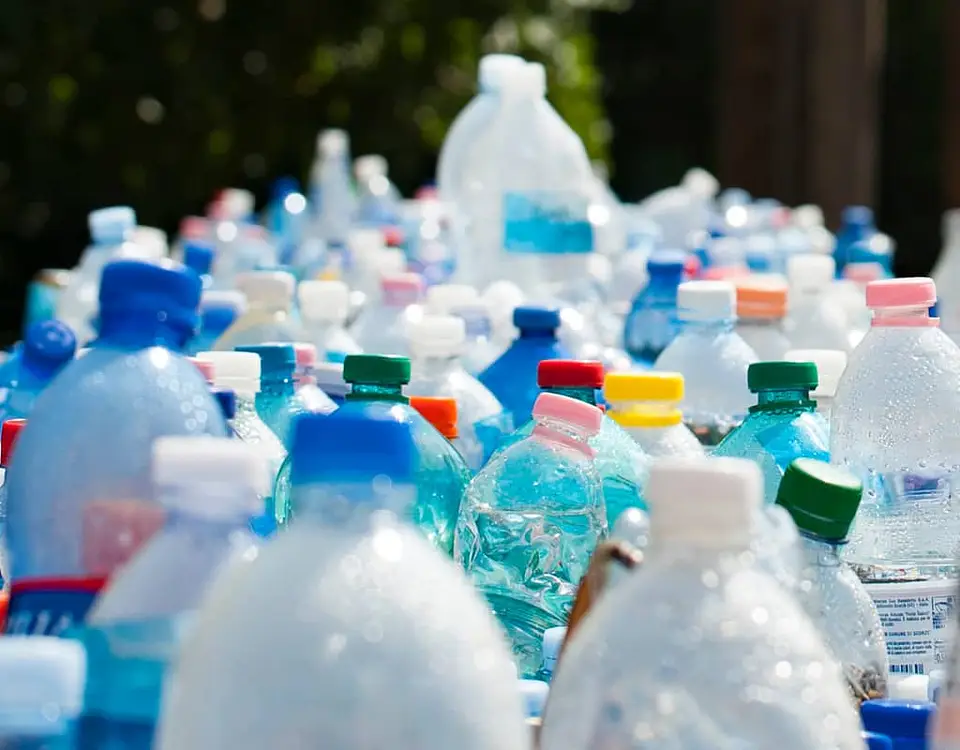
Malaysia’s relationship with plastic is complex. As a significant plastics manufacturing hub in Southeast Asia, we produce and consume substantial amounts of plastic products daily. The gardening industry contributes to this through plastic pots, fertilizer packaging, pesticide containers, and single-use growing supplies.
Research indicates that Malaysians generate considerable plastic waste per capita, with packaging materials representing a significant portion. In our tropical climate with temperatures ranging from 24-32°C and high humidity levels, plastic waste doesn’t decompose—it simply breaks down into smaller pieces that contaminate our soil and eventually reach our waterways and oceans.
The good news? Every Malaysian gardener can make a difference through sustainable practices that actually improve plant health while reducing environmental impact.
5 Practical Ways to Reduce Plastic Waste in Your Malaysian Garden
1. Switch to Organic Fertilizers with Minimal Packaging
Traditional chemical fertilizers often come in excessive plastic packaging that ends up in landfills. Organic alternatives not only reduce plastic waste but also improve soil health in Malaysia’s tropical conditions.
Sustainable fertilizer options include:
- Vermicompost – Worm castings provide slow-release nutrients and improve soil structure, perfect for Malaysia’s heavy monsoon rains that can wash away synthetic fertilizers
- Multi-Purpose Compost – Enhances moisture retention during hot, dry periods while reducing the need for plastic-packaged products
- Organic Vegetable Fertiliser – Specially formulated for edible crops with minimal environmental impact
These organic options work exceptionally well in our tropical climate, where high temperatures and humidity accelerate nutrient cycling naturally.
2. Start Composting at Home
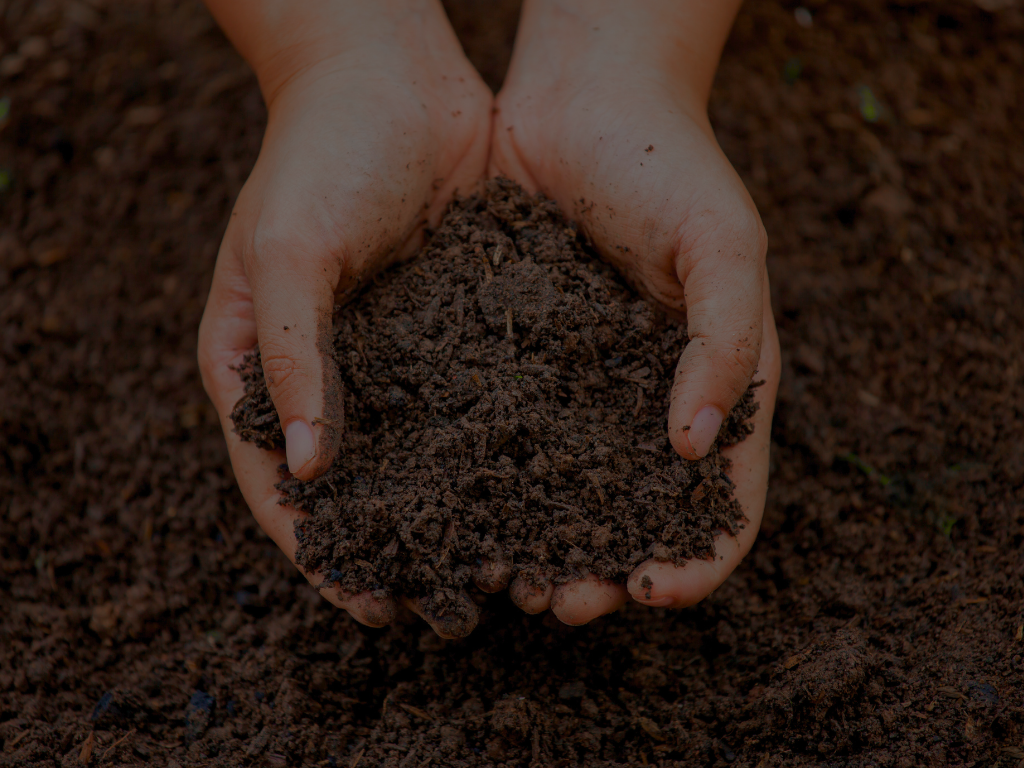
Home composting is one of the most effective ways to reduce both plastic waste and organic waste sent to landfills. Malaysia’s warm, humid climate is actually ideal for composting—decomposition happens faster here than in temperate regions.
Benefits of home composting:
- Eliminates need for plastic-packaged fertilizers
- Reduces kitchen and garden waste by up to 30%
- Creates nutrient-rich soil amendment perfectly suited to local conditions
- Saves money on commercial fertilizers
- Improves soil structure and water retention
Start with kitchen scraps (vegetable peels, fruit waste, coffee grounds) and garden waste (leaves, grass clippings). In Malaysia’s climate, you can produce usable compost in as little as 6-8 weeks with proper management.
3. Choose Natural Pest Control Solutions
Conventional pesticides come in plastic bottles and often contain harmful chemicals that persist in the environment. Natural alternatives are safer for beneficial insects, soil microorganisms, and your family.
GarNeem Spray offers organic pest control derived from neem oil, effective against common Malaysian garden pests like aphids, mealybugs, and whiteflies. It works with nature rather than against it, breaking down naturally without leaving toxic residues.
For specific pest problems, consider:
- GarNeem Ants & Termites for ant infestations common in tropical gardens
- Natural Neem Spray for soft-bodied pests
4. Use Sustainable Growing Media and Soil Amendments
The right growing media reduces the need for frequent fertilizer applications (and their plastic packaging) while supporting healthy plant growth in our tropical climate.
Coco Peat is an excellent sustainable alternative to peat moss. Made from coconut husks (a renewable resource abundant in Malaysia), it improves water retention and aeration while being completely biodegradable.
Other eco-friendly options include:
- Perlite for improved drainage (reusable and long-lasting)
- LECA Expanded Clay for aeration (can be cleaned and reused indefinitely)
5. Repurpose and Reuse Garden Containers
Before buying new plastic pots, look around your home for containers that can be repurposed:
- Food containers with drainage holes added
- Old buckets or basins
- Wooden crates lined with coconut fiber
- Ceramic or terracotta pots (longer-lasting than plastic)
When you do need to purchase containers, invest in durable options that will last for years rather than cheap plastic that cracks under Malaysia’s intense sun and heat.
The Bigger Picture: Why Your Garden Choices Matter
Every sustainable choice you make in your garden contributes to larger environmental goals. Plastic waste that enters our environment doesn’t disappear—it breaks down into microplastics that contaminate soil, water sources, and eventually the food chain.
In Malaysia’s tropical ecosystem, plastic pollution affects:
- Waterways: Clogged drains during monsoon season lead to flooding
- Marine life: Plastic eventually reaches our oceans, harming marine ecosystems
- Soil health: Microplastics interfere with soil microorganisms essential for plant growth
- Human health: Toxins from plastic breakdown can enter our food supply
By choosing organic, sustainable gardening products and practices, you’re not just reducing waste—you’re actively improving soil health, supporting beneficial insects, and creating a healthier environment for your family.
Start Your Sustainable Gardening Journey Today
Transitioning to a more sustainable, plastic-free garden doesn’t have to happen overnight. Start with one or two changes and gradually incorporate more eco-friendly practices as you learn what works best in your garden.
Quick wins to start today:
- Start a small compost bin with kitchen scraps
- Replace one chemical fertilizer with an organic alternative
- Repurpose three household items as plant containers
- Switch to natural pest control for your next pest problem
- Choose sustainable soil amendments for your next planting project
Remember, every small action counts. Malaysian gardeners have the power to demonstrate that beautiful, productive gardens and environmental responsibility go hand in hand. Together, we can reduce plastic waste while growing healthier plants perfectly adapted to our tropical climate.
Frequently Asked Questions
How can Malaysian gardeners reduce plastic waste?
Malaysian gardeners can reduce plastic waste by switching to organic fertilizers with minimal packaging, starting home composting to reduce reliance on packaged products, using natural pest control solutions, choosing sustainable growing media like coco peat, and repurposing containers instead of buying new plastic pots. These practices work exceptionally well in our tropical climate while protecting the environment.
What are the best organic alternatives to plastic-packaged fertilizers?
The best organic alternatives include vermicompost (worm castings), multi-purpose compost, organic vegetable fertilizer, and coco peat for soil amendment. These products often use less plastic packaging and improve soil health naturally in Malaysia’s tropical climate with temperatures between 24-32°C and high humidity.
Is composting suitable for Malaysia’s hot and humid climate?
Yes, composting works excellently in Malaysia’s tropical climate (24-32°C with high humidity). The warm temperatures actually accelerate decomposition, allowing you to produce nutrient-rich compost faster than in cooler climates—often in just 6-8 weeks. Proper moisture management is key during monsoon seasons, but overall, our climate is ideal for home composting.
How does reducing plastic in gardening help the environment?
Reducing plastic in gardening prevents plastic waste from entering landfills and waterways, reduces soil contamination from plastic breakdown and microplastics, decreases carbon emissions from plastic production and disposal, and protects local ecosystems including beneficial insects and soil microorganisms. In Malaysia, where plastic waste management is a significant challenge, every reduction in garden plastic contributes to environmental conservation and helps prevent drain clogging during monsoon seasons.
What sustainable products does Serbajadi offer for eco-friendly gardening?
Serbajadi offers numerous sustainable gardening products including organic fertilizers (vermicompost, organic vegetable fertilizer), natural pest control (GarNeem spray), eco-friendly growing media (coco peat, multi-purpose compost), and organic soil amendments that help Malaysian gardeners reduce plastic waste while maintaining healthy, productive gardens optimized for our tropical climate.