Rainy Season Gardening Tips for Malaysia’s Monsoon Climate
Malaysia’s monsoon season brings welcome relief from the heat, but it also presents unique challenges for gardeners. While outdoor and indoor plants add lush greenery and fresh air to your home, prolonged rainfall can lead to waterlogging, nutrient loss, fungal diseases, and pest outbreaks. Understanding how to protect your garden during heavy downpours is essential for maintaining healthy, thriving plants in our tropical climate.
With proper preparation and the right gardening techniques, you can turn the rainy season from a threat into an opportunity for vigorous plant growth. This comprehensive guide covers everything you need to know about caring for your plants during Malaysia’s wet months.
Understanding Monsoon Challenges in Malaysian Gardens
Malaysia’s tropical climate experiences two monsoon seasons annually, with some regions receiving over 300mm of rainfall per month. This excessive moisture creates several problems for home gardeners:
Waterlogging and Root Rot
When soil remains saturated for extended periods, plant roots cannot access oxygen. This leads to root rot, a condition where roots turn brown and mushy, eventually killing the plant. Symptoms include wilting despite wet soil, yellow leaves, and stunted growth.
Nutrient Leaching
Heavy rainfall washes away essential nutrients from the soil, particularly nitrogen, potassium, and other water-soluble elements. Plants become nutrient-deficient, showing yellowing leaves, poor growth, and reduced flowering or fruiting.
Fungal and Bacterial Diseases
High humidity combined with constant moisture creates ideal conditions for fungal infections like powdery mildew, leaf spot, and damping-off disease. These spread rapidly in wet conditions and can devastate entire gardens.
Pest Proliferation
Snails, slugs, aphids, and fungus gnats thrive in damp environments. The rainy season often triggers pest population explosions that can quickly damage plants.
Essential Rainy Season Gardening Tips
1. Improve Drainage Immediately
Proper drainage is your first line of defense against monsoon damage. For potted plants, ensure every container has adequate drainage holes. Elevate pots using pot feet or bricks to prevent them from sitting in water puddles.
For garden beds, consider creating raised mounds or installing French drains to channel excess water away. Amend heavy clay soils with Perlite or LECA Expanded Clay to improve soil structure and aeration.
2. Switch to Controlled-Release Fertilizers
Regular water-soluble fertilizers wash away quickly during heavy rain, wasting money and leaving plants nutrient-starved. Switch to Controlled Release Fertiliser, which provides steady nutrition over weeks or months regardless of rainfall.
For immediate nutrient boosts, use foliar sprays like Growth Master FS35 Spray that deliver nutrients directly through leaves, bypassing waterlogged soil.
3. Repot Plants Showing Root Rot
If you notice wilting despite wet soil, immediately check for root rot. Remove affected plants from their containers, trim away brown, mushy roots, and repot in fresh Potting Soil with excellent drainage. Allow the soil to dry slightly between waterings.
4. Increase Air Circulation
Prune overcrowded branches to improve airflow through your plants. Remove lower leaves that touch the soil, as these are entry points for fungal spores. Space plants adequately—overcrowding traps moisture and promotes disease.
5. Practice Smart Watering
During rainy periods, reduce or eliminate supplemental watering. Check soil moisture before watering—if the top 5cm feels damp, skip watering. When you do water, do it early in the morning so foliage dries quickly, reducing fungal disease risk.
6. Remove Debris Regularly
Fallen leaves, dead flowers, and plant debris harbor fungal spores and pest eggs. Remove them promptly, especially after storms. Keep the area around plants clean and well-maintained.
7. Monitor for Pests
Inspect plants regularly for signs of pest damage. Look under leaves, along stems, and around new growth. Treat infestations early with GarNeem Spray, an organic solution effective against aphids, mealybugs, whiteflies, and other common monsoon pests.
8. Protect Sensitive Plants
Move potted succulents, cacti, and other drought-loving plants under shelter during prolonged rain. For in-ground sensitive plants, create temporary rain covers using clear plastic sheeting supported by stakes, ensuring adequate ventilation.
9. Mulch Strategically
Apply a thin layer of organic mulch around plants to prevent soil splash (which spreads disease) and moderate soil moisture. However, avoid thick mulch layers during monsoons as they can retain too much moisture and promote fungal growth.
10. Strengthen Plant Immunity
Healthy plants resist disease better. Apply Agromarine Organic Chitosan Fertiliser to boost plant immunity and stress tolerance. This helps plants withstand the challenges of excessive moisture and humidity.
Plant-Specific Rainy Season Care
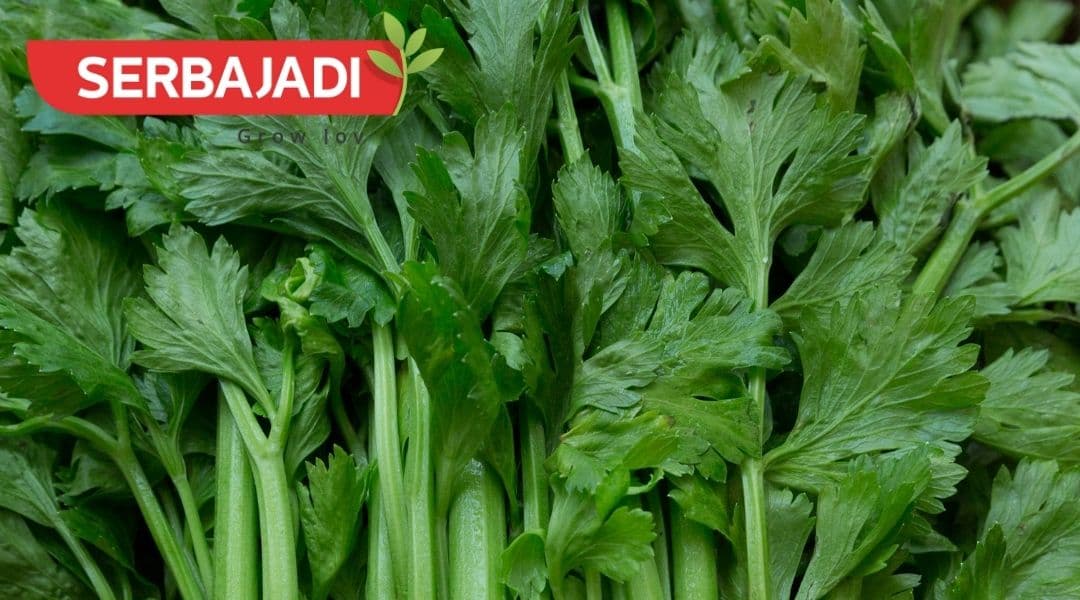
Vegetables and Herbs
Leafy greens and herbs are particularly susceptible to fungal diseases during wet weather. Ensure excellent drainage and air circulation. Continue feeding with Organic Vegetable Fertiliser to replace leached nutrients. Harvest regularly to prevent waterlogged, rotting produce.
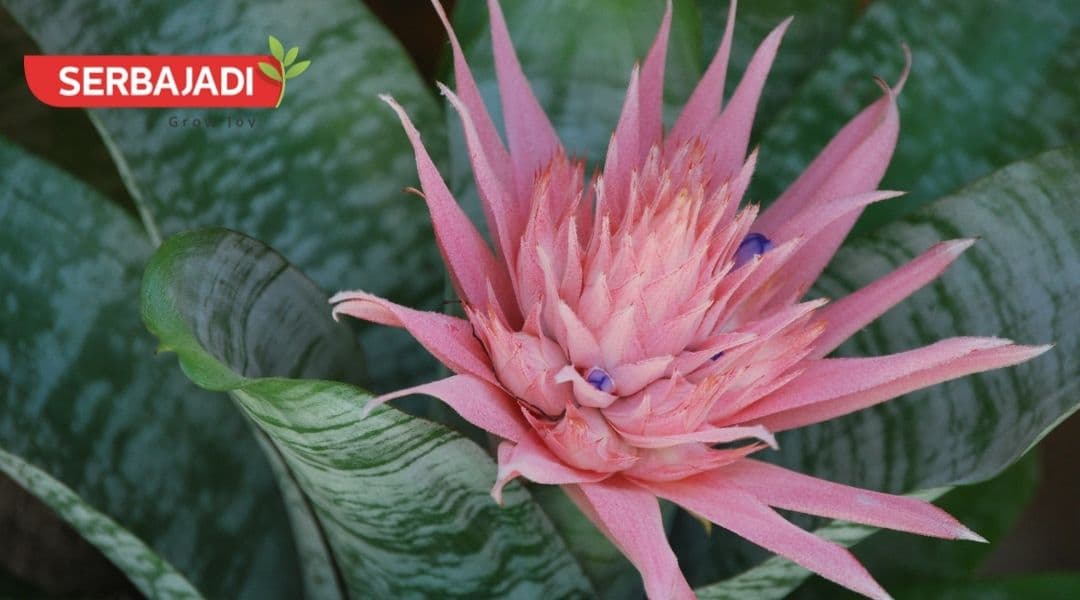
Flowering Plants
Heavy rain can damage delicate blooms and wash away flower buds. Move potted flowering plants under shelter during storms. For garden flowers, stake tall varieties to prevent wind and rain damage. Apply Flower Master FS28 Spray to encourage continued blooming despite challenging conditions.
Fruit Trees
Fruit trees need consistent nutrition during monsoon season to support fruit development. Use Fruit Tree Fruiting Inducer 38 to ensure proper fruit sizing and sweetness despite nutrient leaching. Ensure good drainage around the root zone to prevent root rot.
Orchids
Orchids are particularly sensitive to overwatering. Reduce watering frequency significantly during rainy periods. Ensure pots drain freely and growing media doesn’t stay soggy. Continue feeding with Orchid Spray 1 (Growing) to maintain healthy growth.
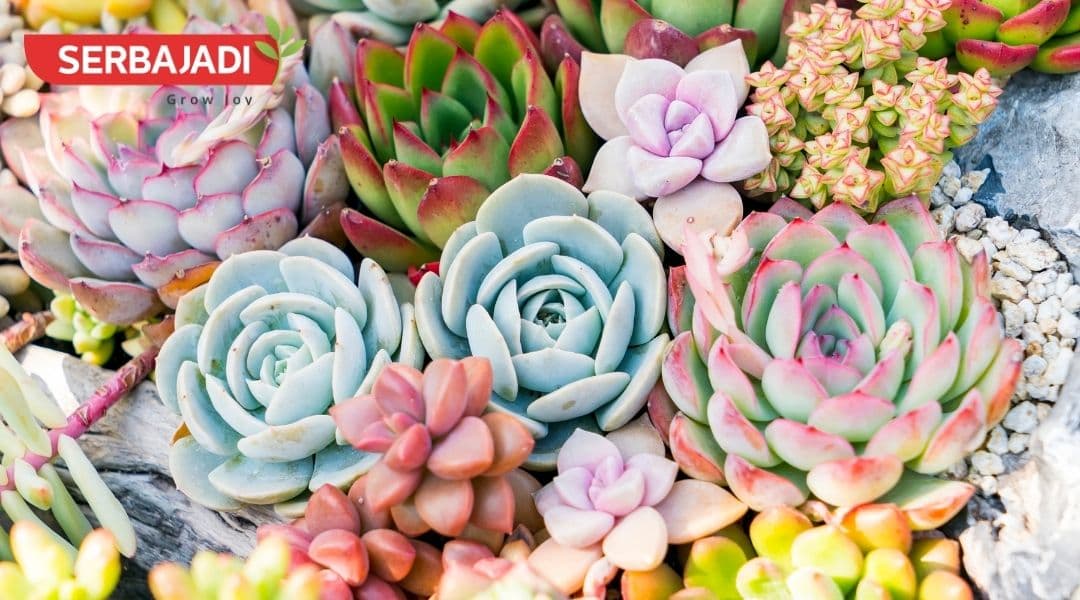
Succulents and Cacti
These drought-loving plants are most at risk during monsoons. Move all potted specimens under complete shelter. For in-ground plantings, ensure they’re in raised beds with exceptional drainage using Cactus Soil that drains rapidly.
Post-Rain Recovery
After heavy rainfall subsides, take these steps to help your garden recover:
- Assess damage: Check all plants for signs of waterlogging, disease, or pest damage
- Remove standing water: Drain saucers and eliminate puddles where mosquitoes breed
- Replenish nutrients: Apply fertilizer to replace nutrients washed away by rain
- Prune damaged growth: Remove broken branches, torn leaves, and diseased plant parts
- Treat diseases promptly: Address any fungal or bacterial infections before they spread
- Restore soil structure: Gently loosen compacted soil surface to improve aeration
Long-Term Monsoon Preparation
Smart gardeners prepare for rainy season before it arrives:
- Install permanent drainage solutions in problem areas
- Choose plant varieties naturally resistant to fungal diseases
- Create covered growing areas for sensitive plants
- Stock up on controlled-release fertilizers and organic pest control
- Maintain good garden hygiene year-round to reduce disease pressure
- Improve soil structure with organic matter like Vermicompost during dry months
Frequently Asked Questions
Why do my plants get yellow leaves during the rainy season?
Yellow leaves during monsoon season are typically caused by nutrient leaching. Heavy rainfall washes away essential nutrients like nitrogen from the soil. The constant wet conditions can also cause root rot, preventing nutrient absorption. Apply a controlled-release fertilizer that resists leaching, or use foliar sprays for quick nutrient delivery directly to the leaves.
How can I prevent root rot in potted plants during heavy rain?
Ensure all pots have adequate drainage holes at the bottom. Elevate pots slightly using pot feet or bricks so excess water drains freely. Use well-draining potting soil mixed with perlite or LECA for better aeration. Move sensitive plants under shelter during prolonged heavy rain. If root rot occurs, repot in fresh, dry potting soil and trim away affected roots.
What fertilizer should I use during Malaysia’s monsoon season?
Use controlled-release fertilizers during the rainy season as they resist nutrient washout from heavy rainfall. These slow-release formulations provide steady nutrition over weeks or months. For immediate results, apply foliar fertilizers like Growth Master FS35 Spray directly to leaves, bypassing waterlogged soil. Avoid water-soluble fertilizers that wash away quickly during monsoons.
How do I prevent fungal diseases in my garden during wet weather?
Improve air circulation by pruning overcrowded branches and removing lower leaves that touch the soil. Avoid watering from above during rainy periods. Remove fallen leaves, dead plant material, and debris promptly as they harbor fungal spores. Space plants adequately to allow airflow. Water early in the day so foliage dries quickly. Consider applying preventive organic treatments if fungal issues persist.
Should I stop fertilizing completely during the rainy season?
No, don’t stop fertilizing during monsoon season. Plants still need nutrients, but heavy rain washes them away faster. Switch to controlled-release fertilizers that won’t leach quickly, or increase the frequency of foliar feeding. Reduce the amount per application but maintain regular feeding schedules. This ensures your plants receive consistent nutrition despite the challenging wet conditions.
Conclusion
Malaysia’s rainy season doesn’t have to mean disaster for your garden. With proper drainage, strategic fertilization, vigilant pest and disease monitoring, and appropriate plant protection, you can maintain a thriving, healthy garden throughout the monsoon months. The key is preparation, regular maintenance, and quick response to problems as they arise.
Remember that our tropical climate’s challenges also bring opportunities—the increased humidity and moisture can promote vigorous growth when properly managed. By following these rainy season gardening tips, you’ll not only protect your plants but help them flourish during Malaysia’s wet months.
For all your rainy season gardening needs, visit Serbajadi Grow Joy Shop for specialized products designed for Malaysia’s tropical monsoon climate. Our controlled-release fertilizers, drainage materials, organic pest control, and premium growing media are formulated specifically for the challenges of Southeast Asian gardening.
For more expert gardening tips and growing guides tailored to Malaysia’s climate, explore the Serbajadi Learn & Grow Blog!